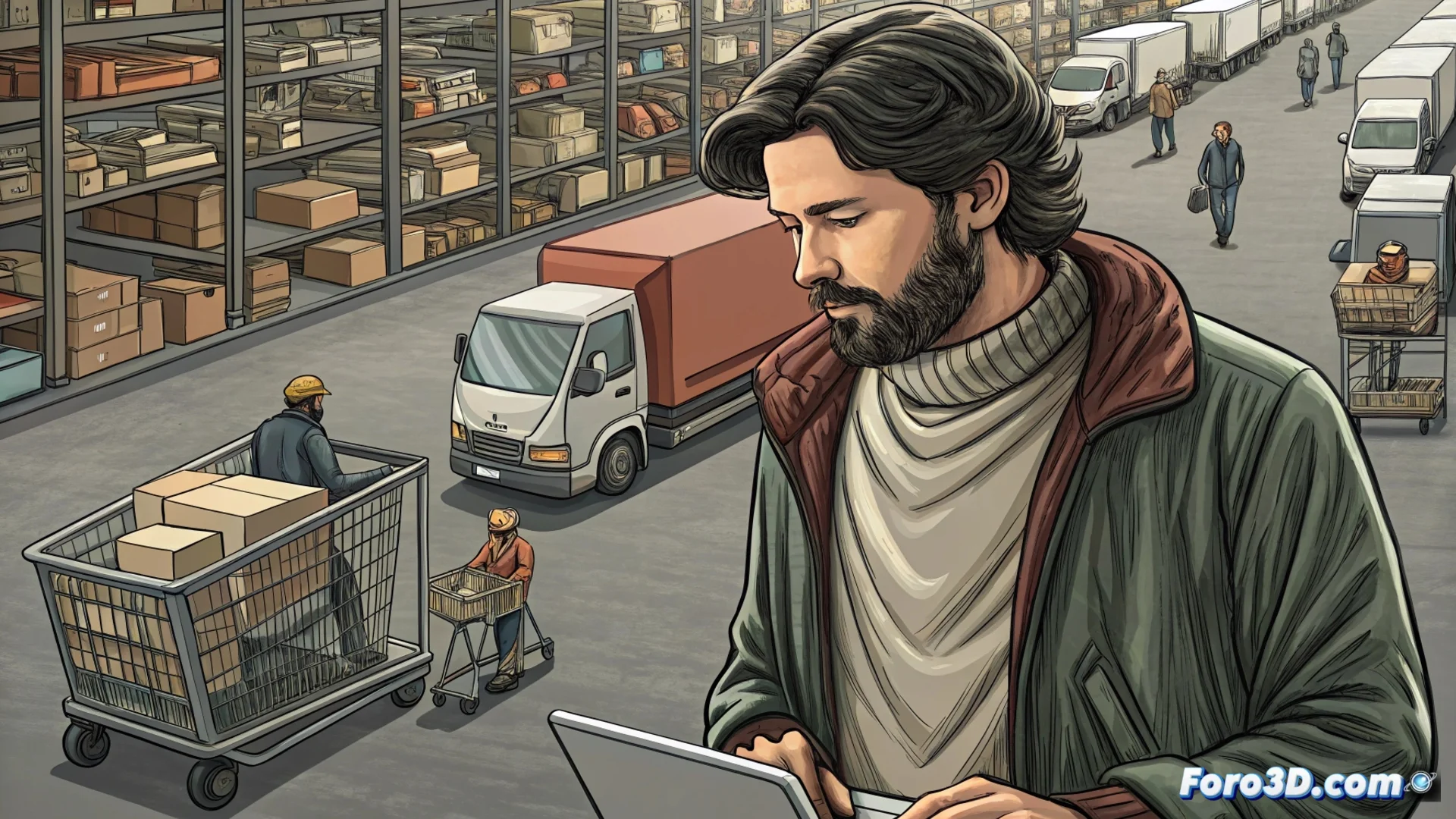
The business model behind dropshipping stores with viral products
Numerous online stores emerge to sell items that become popular on platforms like TikTok. These pages feature a clean web design and promise fast shipping at low prices, aiming to capture impulse buys. However, their operational core is dropshipping, a system where the store does not stock what it sells. 🛒
How the purchase process really works
When a user pays, the store only acts as an intermediary. It forwards the order details to an external supplier, usually located in China. This supplier is the one who manufactures, packages, and ships the item directly to the final customer's address. The store never sees or physically handles the merchandise it markets.
The typical purchase cycle:- The customer sees an ad on social media and buys from the online store.
- The store forwards the order and payment to its supplier in Asia.
- The supplier prepares and ships the package, often using a cheap postal service.
- The buyer waits weeks to receive a product that may differ greatly from what was advertised.
The fast shipping they advertise is rarely fulfilled. Actual waiting times usually completely contradict the information provided on the purchase page.
The hidden problems for the consumer
This model creates two major frictions for the buyer: extreme delays and lack of control over quality. Delivery times advertised in days turn into waits of several weeks or even months, as the product travels from another continent.
Common challenges faced by the buyer:- Misleading delivery times: The real delay frustrates the customer, who has already paid and expects to receive their order soon.
- Inconsistent quality: The received item often uses cheap materials and does not match the promotional images or videos.
- Poor post-sale support: If the product arrives defective, initiating a return or claiming the warranty becomes almost impossible. Customer service responds slowly or disappears.
The final outcome for the user
The buyer is left with a gadget of dubious utility, which took a month to arrive and cannot be returned. Meanwhile, the original store is already promoting the next viral product, repeating the cycle with new buyers. This model prioritizes quick sales volume over customer satisfaction and loyalty. ⚠️