A Visionary Proposal to Eradicate Poverty
In the 1960s, as the United States underwent profound social transformations, a group of activists and economists presented a revolutionary plan. The so-called Freedom Budget represented a bold approach to combating economic inequality through concrete and realistic measures.
The Architects of Change
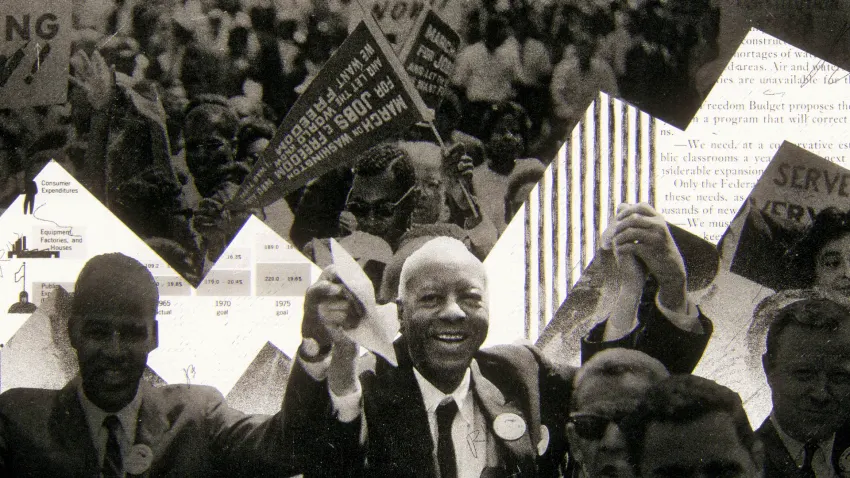
Behind this initiative were key figures from the civil rights movement. Bayard Rustin, organizer of the March on Washington, and A. Philip Randolph, labor leader, joined forces with Leon Keyserling, one of the main New Deal economists. Together, they designed a detailed roadmap that included:
- Job guarantee for all citizens
- Establishment of a living minimum wage
- Universal access to medical services
- Affordable housing programs
The Support of an Icon
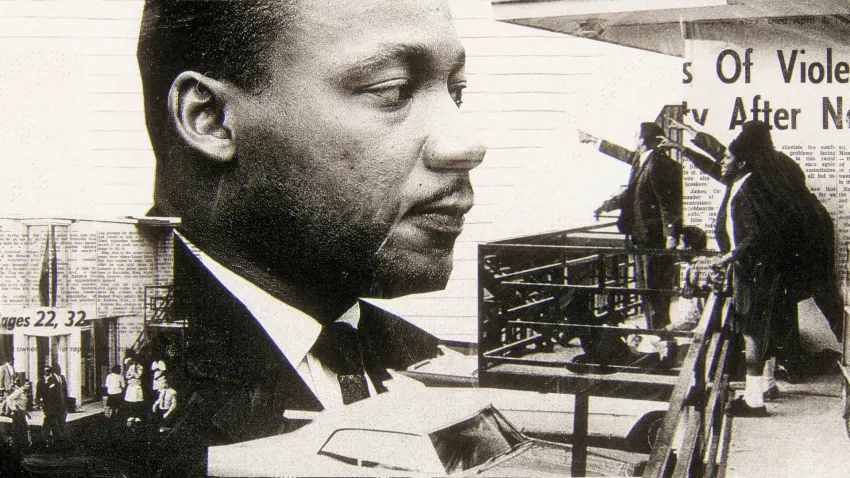
Martin Luther King Jr. saw in this proposal an opportunity to materialize his dream of economic justice. In his speeches, he highlighted the contradiction between the country's enormous military and space expenditures and the lack of investment in solving basic social problems.
"True compassion is more than tossing a coin to a beggar; it comes to see that an edifice which produces beggars needs restructuring."
Historical Recovery Through Cinema
The documentary directed by Diego Coutinho uses innovative visual resources to revive this forgotten chapter. Through the combination of historical archives and graphic representations, the film achieves:
- Explaining the technical details of the economic plan
- Showing the social context of the time
- Establishing parallels with current problems
- Raising questions about national priorities
Relevance of a Revolutionary Idea
Although it was never fully implemented, the Freedom Budget continues to inspire contemporary debates on social policies. Its fundamental principles resonate in modern discussions about:
- Universal basic income
- Health system reform
- Labor rights
- Wealth redistribution
A Call to Reflection
This documentary not only documents the past but invites us to reconsider solutions for current economic challenges. By rescuing this alternative vision of history, it questions the limits of what we consider possible in terms of social justice and economic equity.