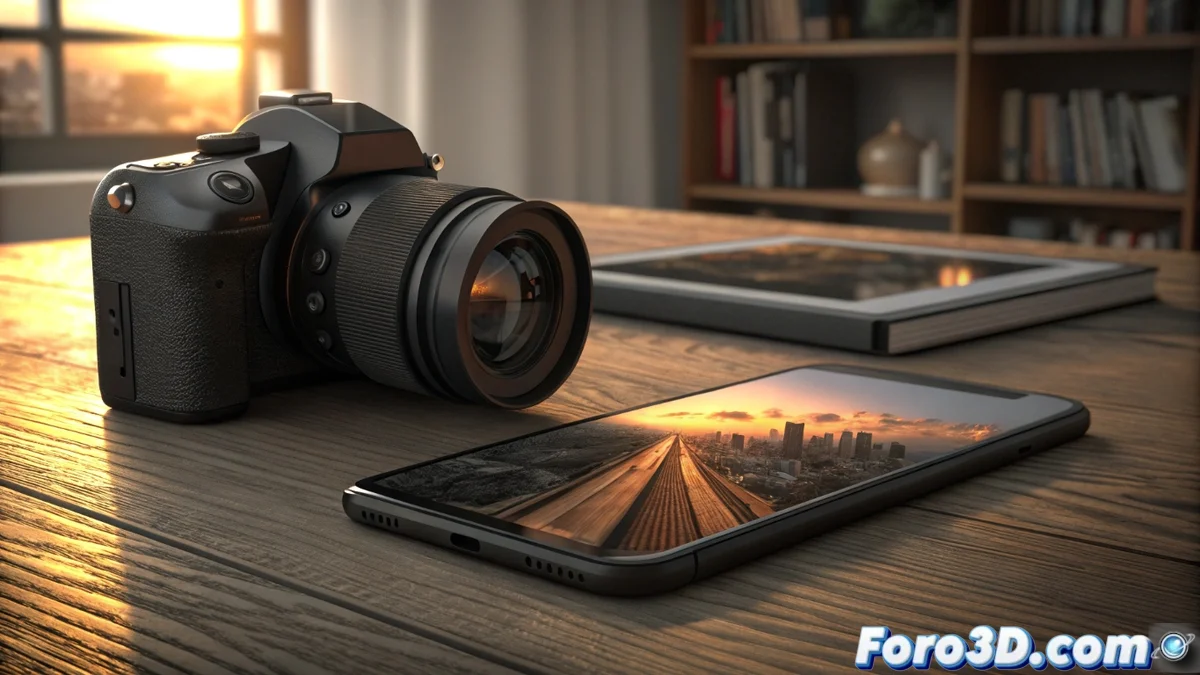
The Bridge Camera Paradox: Superzoom at the Cost of Quality?
In the current photographic landscape, bridge cameras or superzooms embody a fascinating contradiction. They promise extreme versatility in a single body, with integrated lenses that range from wide-angle to powerful telephoto. However, this "all-in-one" approach has found a formidable and unexpected rival in almost everyone's pocket: the smartphone. The pursuit of total zoom seems to have pigeonholed them into a technological compromise that's hard to sustain. 📸⚖️
The Hardware Dilemma: Convenience vs. Performance
The heart of the problem lies in their inherent architecture. To achieve those enormous focal lengths in a compact body, manufacturers resort to small image sensors, typically 1/2.3", coupled with highly intricate optical systems. This combination is responsible for their main Achilles' heel. While the optical zoom is impressive on paper, image quality, especially indoors or at dusk, suffers greatly. Digital noise, lack of detail, and muted colors are common when light is scarce, a direct sacrifice for the convenience of total reach.
Key Limitations of Bridge Cameras:- Reduced Sensors: Limit light capture and generate more noise at high ISOs.
- Complex Optics: Lenses covering such a wide range are usually less bright (narrower apertures).
- Obsolete Processing: Their internal software rarely matches the power of modern computational photography.
The value proposition of the bridge camera is based on reach, but that same reach is the cause of its greatest limitations in pure quality.
The Silent Revolution: The Smartphone as the Standard
While bridge cameras seem stagnant, high-end smartphones have started a revolution in the opposite direction. Their bet is clear: larger sensors (1/1.3", 1" or even larger), brighter lenses, and, most crucially, advanced computational processing. AI algorithms for multi-shot fusion, intelligent HDR, and noise reduction deliver results that, for the casual photographer, are sharper, more colorful, and better balanced in almost any situation. The exception, for now, remains the longest end of pure optical zoom. 📱✨
Key Advantages of Modern Smartphones:- Symbiotic Sensor and Software: Improved hardware is enhanced by algorithms that correct limitations in real time.
- Integral User Experience: Capture, editing, and instant sharing in a single device.
- Superior Perceived Quality: For social media and screen viewing, their photos usually look "better" instantly.
A Future in a Very Specific Niche?
This scenario reduces the relevance of bridge cameras to a very specific use niche. Their reason for being persists for that photographer who prioritizes optical zoom reach above all: wildlife observation (birds), capturing sports events from afar, or situations where physical proximity is impossible. For them, it remains a valid and more affordable tool than a DSLR or mirrorless system with expensive telephoto lenses. However, for 90% of everyday situations—portraits, landscapes, street or family photography—a smartphone is not only simpler but offers a more consistent and satisfactory image quality. So, the next time you see one of these cameras, remember that its size doesn't always equate to a better photo; it might be fighting a losing battle against physics, while a device in your pocket resolves the scene with a touch. 🤔➡️✅