The Brain Chemistry Behind Irritation and Bad Mood
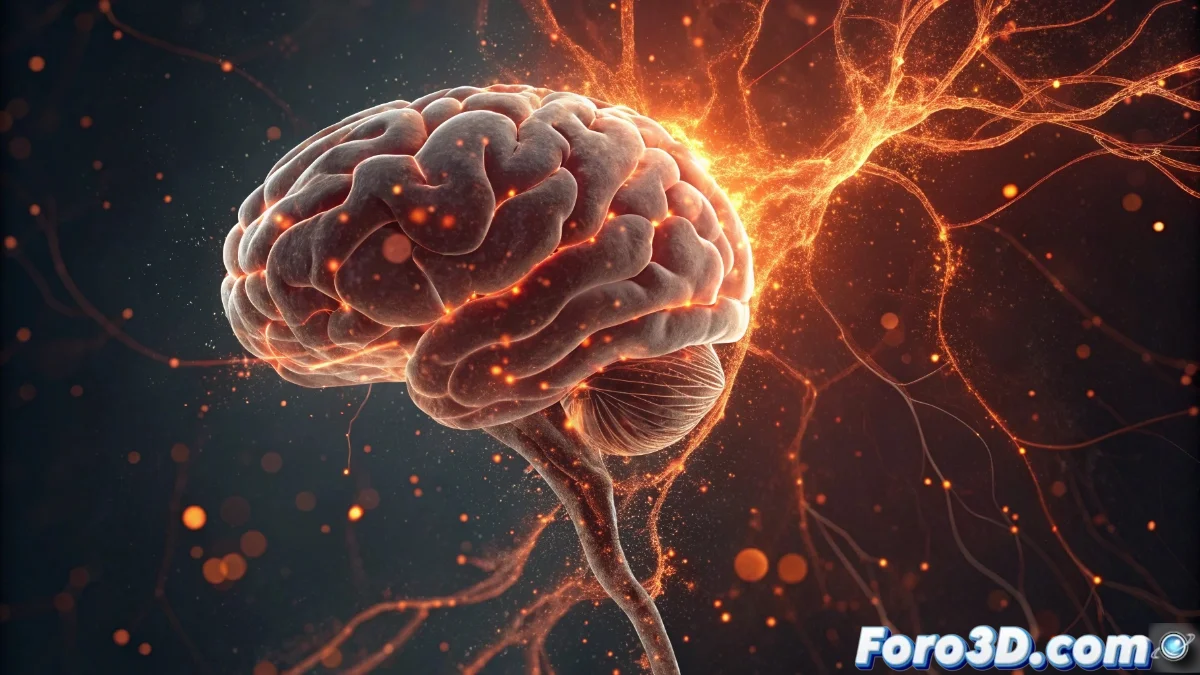
Irritation represents a comprehensive neurophysiological response that simultaneously mobilizes our nervous and endocrine systems. When we detect an unpleasant or frustrating situation, the brain amygdala is instantly activated, a specialized center for processing intense emotions like anger and fear. This alarm signal triggers a hormonal cascade that prepares our body to confront the perceived annoyance. 🧠
Neurochemical Mechanisms of the Irritative Response
The amygdala activation stimulates the secretion of cortisol and adrenaline, two fundamental chemical messengers in the experience of bad mood. While adrenaline generates that initial energy explosion characteristic of anger, cortisol keeps the body in a state of prolonged hypervigilance, making it difficult to return to calm even when the irritating stimulus has ceased. This biochemical imbalance particularly affects the prefrontal cortex, impairing our abilities for logical reasoning and impulse control.
Consequences of Chemical Imbalance:- Reduction in the ability to think clearly and make reasoned decisions
- Tendency toward exaggerated reactions and impulsive behaviors
- Maintenance of muscle tension and sensory alertness
Science reveals that our reaction to the occupant of our favorite parking spot may have deep evolutionary roots, as if it were an ancestral survival mechanism.
Factors that Enhance the Irritative Response
Various environmental and physiological elements can significantly intensify this neurochemical reaction. Chronic sleep deprivation alters serotonin production, a key neurotransmitter for emotional well-being, increasing the brain's vulnerability to irritation triggers. Similarly, a deficient diet in essential nutrients and continuous exposure to stressful environments create the perfect conditions for exacerbated irritative responses.
Identified Aggravating Elements:- Disruptions in rest patterns and sleep quality
- Diets poor in essential nutrients for neurochemical balance
- Repetitive exposure to frustrating situations that reinforce anger neuronal circuits
Evolutionary Implications and Future Perspectives
Curiously, recent research suggests that our propensity to get irritated in certain everyday situations may have adaptive origins. Evolutionary programming would have conditioned these responses as survival mechanisms, explaining why we react so intensely to seemingly minor infractions like the occupation of our preferred space. Understanding these ancestral mechanisms allows us to develop more effective strategies for managing our emotional reactions in the modern world. 🔬