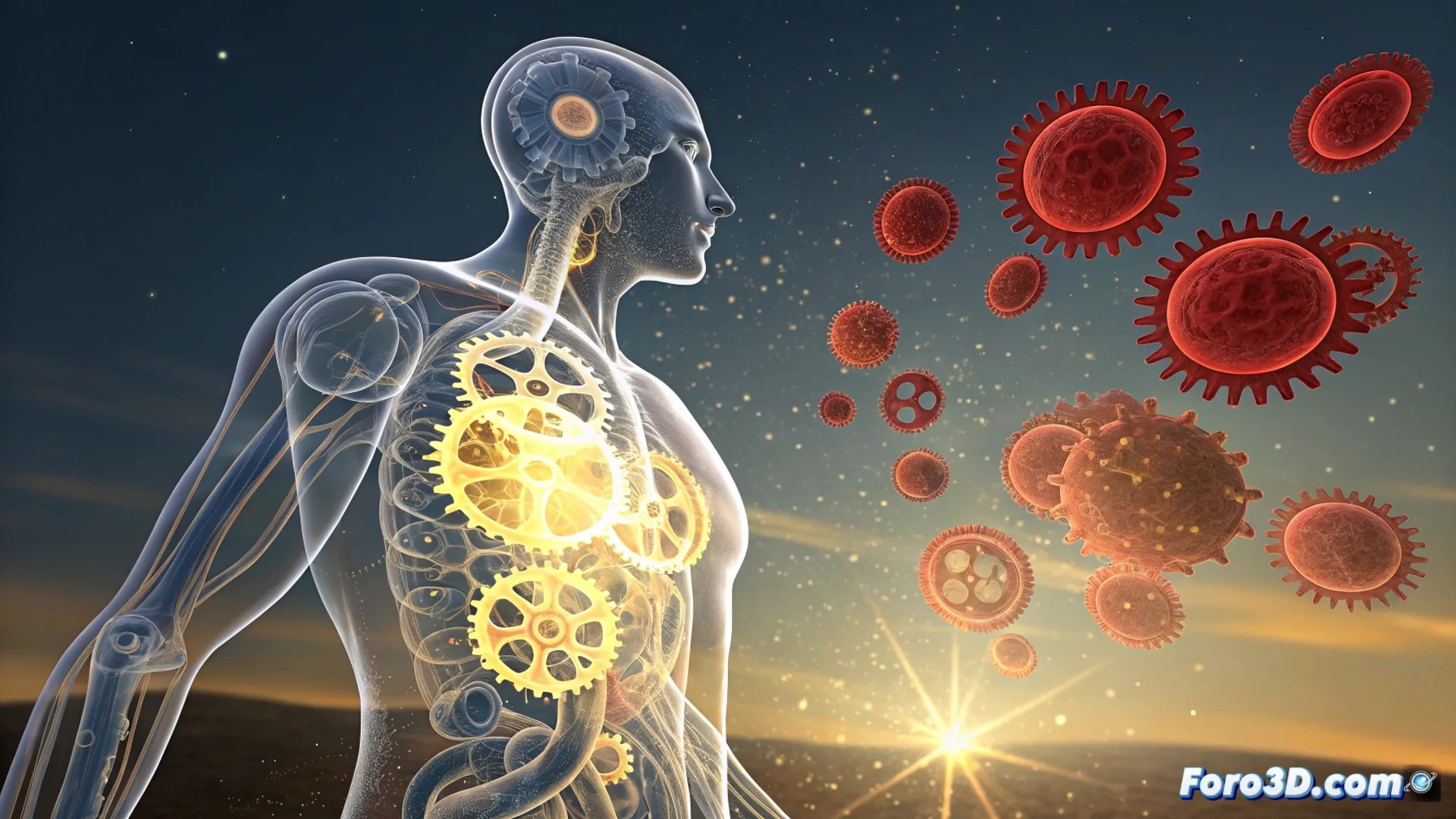
The Biological Clock Influences the Efficacy of Cancer Treatments
Oncology science explores a crucial variable beyond the drug or dose: the time of day to administer it. Our internal clock, or circadian rhythm, not only regulates when we sleep but also modulates how our immune system responds and how we process medications. Studying this factor opens a path to optimize therapeutic outcomes. ⏰
Chronotherapy: Synchronizing Treatment with the Body
This approach, known as chronotherapy, does not alter the medication itself but its administration schedule. It is based on the fact that cells, both healthy and tumorous, and our immune defenses, have predictable activity cycles throughout the 24 hours. Scheduling the infusion for when the body tolerates the drug better or when cancer cells are weaker could enhance the antitumor effect and minimize toxicity.
Key Findings from Recent Research:- Several observational analyses indicate that patients receiving immunotherapy in the morning show better clinical outcomes.
- The premise is that aligning treatment with the circadian rhythm leverages the natural peaks of immune system activity.
- It seeks to reduce adverse effects by exposing healthy cells in their most resistant phase.
In oncology, in addition to 'what' and 'how much', the crucial question might be 'at what time'.
Promising Evidence from Observational Studies
Preliminary data on lung cancer or melanoma suggest a link between treatment time and patient response. A retrospective analysis published in The Lancet Oncology revealed that people with advanced lung cancer who received immunotherapy before 4:30 p.m. had an almost doubled overall survival compared to those who received it afterward. Although these data show correlation and do not prove causation, they drive clinical trials to confirm the benefit of adjusting the schedule.
Cases and Important Considerations:- The study in The Lancet Oncology is a standout example of the observed trend.
- The findings are correlational, so controlled trials are needed to establish causality.
- The research focuses on therapies like immunotherapy and some chemotherapy regimens.
Recognizing the Body's Rhythms in the Fight Against Cancer
This field of study reminds us that the human body does not function like a constant machine, but as a rhythmic biological system. Integrating knowledge of circadian rhythms into oncology protocols represents a paradigm shift toward more personalized and potentially more effective medicine, where time becomes a therapeutic ally. 🕒