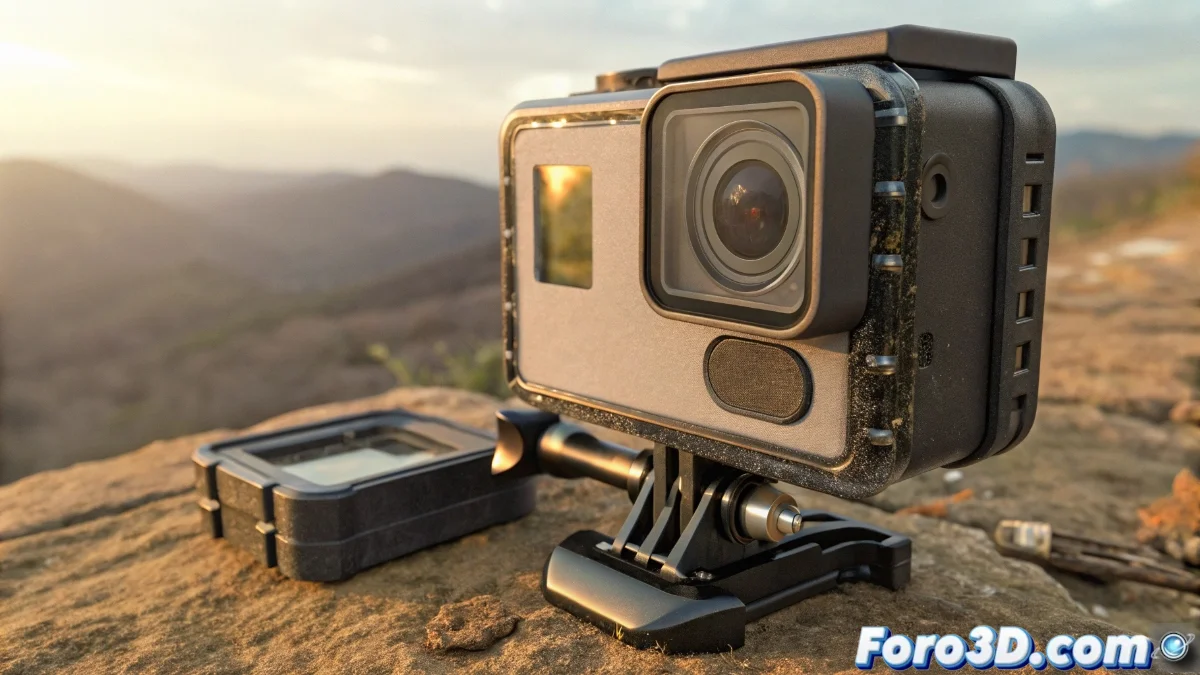
The Battery Dilemma in GoPro and DJI Osmo Action Cameras
Action cameras from leading brands like GoPro and DJI Osmo Action manufactured between 2015 and 2021 face a critical problem with their power systems. The integrated lithium batteries do not allow for easy replacement by users, causing frustration when performance declines. 📹
The Core Durability Problem
After approximately 300 to 500 full charge cycles, the battery capacity is significantly reduced, compromising the operational autonomy during extended recordings. This deterioration particularly affects those who engage in outdoor activities where access to power sources is limited. The combination of compact design and the implementation of fast-charging technology accelerates this natural degradation process.
Factors Contributing to the Problem:- Physical integration of the batteries within the main housing
- Lack of standardization in accessible replacement systems
- Requires specialized tools and technical knowledge for replacement
Planned obsolescence catches up with us even when we try to capture outdoor adventures, turning our cameras into expensive souvenirs
Evolution in Recent Models
Manufacturers have partially responded to these criticisms by implementing improved solutions in more recent models. Some product lines now incorporate removable batteries or facilitate replacement through authorized technical services. Furthermore, charge management algorithms have been optimized to extend the lifespan of the energy components.
Implemented Improvements:- Modular batteries in certain high-end models
- Official replacement programs with preserved warranty
- Integrated battery status monitoring systems
Impact on the User Community
Owners of older models experience a drastic reduction in effective usage time, which limits activities like prolonged recordings or outdoor sessions without access to charging. Although improvements in recent models offer alternatives, the situation persists for those who rely on older equipment, highlighting the importance of sustainable design in electronic devices. 🎬