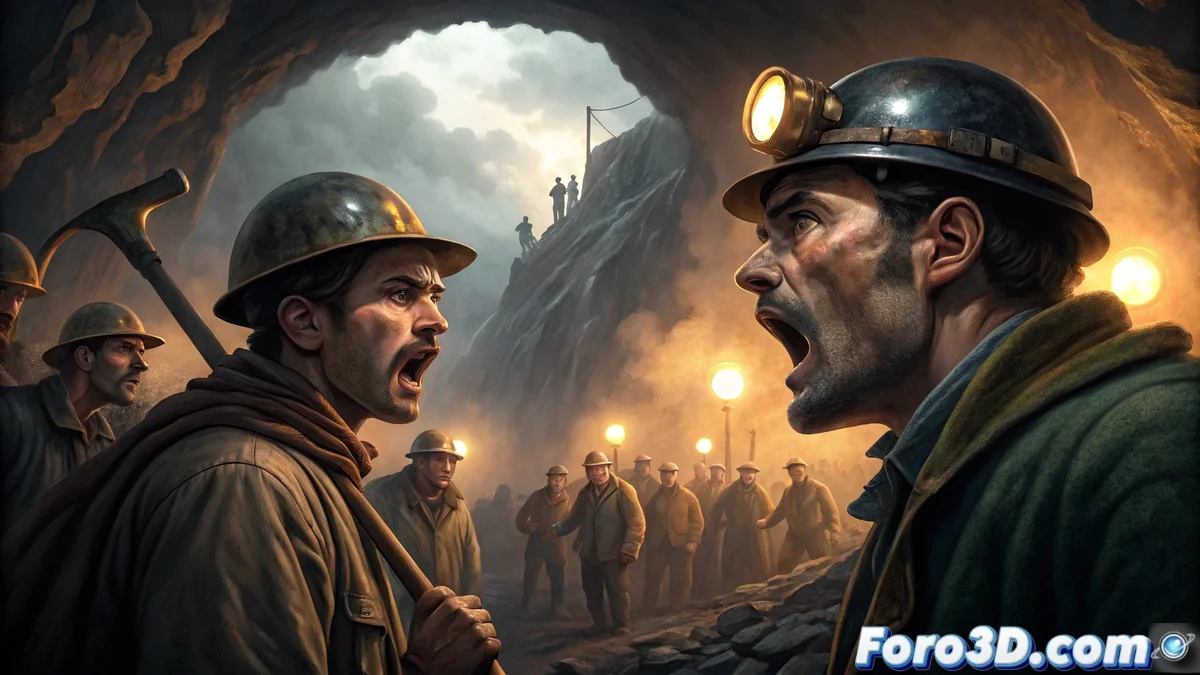
The Ballad of the North 5: Analysis of the Asturian Revolution in Graphic Novel Form
The fifth installment of The Ballad of the North solidifies the extraordinary narrative pulse that has made this series a benchmark in contemporary historical graphic novels. Alfonso Zapico deploys his artistic mastery to immerse us in the turbulent events of the 1934 Asturian Revolution 🎨
Historical Depth and Social Context
This new volume expands with notable intensity the sociopolitical conflicts that preceded the Spanish Civil War, giving special privilege to the perspective of the Asturian miners and their family environments. Zapico weaves with exceptional skill the plots between fictional characters and documented historical events, constructing a vibrant human mosaic that reflects the ideological complexities of the period without resorting to Manichean simplifications 📚
Notable Narrative Elements:- Masterful interaction between fictional characters and real historical figures
- Multidimensional representation of social tensions in northern Spain
- Perfect balance between personal drama and collective movement
Historical characters in graphic novels show more development than some current politicians, although at least in these pages their decisions remain consistent with their characterizations
Artistic Evolution and Visual Resources
The graphic work of Zapico shows a significant evolution in handling page-by-page composition and visual rhythm, employing innovative expressive resources that underscore the harshness of the confrontations and the political tension of the moment. The chromatic palette, dominated by earthy and dark tones, intensifies the industrial setting and the inherent drama of the events depicted 🖌️
Technical and Stylistic Aspects:- Dynamic page composition and improved visual rhythm
- Expressive use of color to emphasize conflicts and tensions
- Narrative structure that combines intimate scenes with collective sequences
Editorial Assessment and Historical Legacy
Astiberri reaffirms its unwavering commitment to quality editorial projects that respect both historical rigor and the particularities of sequential art. This installment not only maintains the series' standards of excellence but elevates them through meticulous documentation that transports the reader directly to the mining conflicts and social tensions of pre-Civil War Spain ✍️