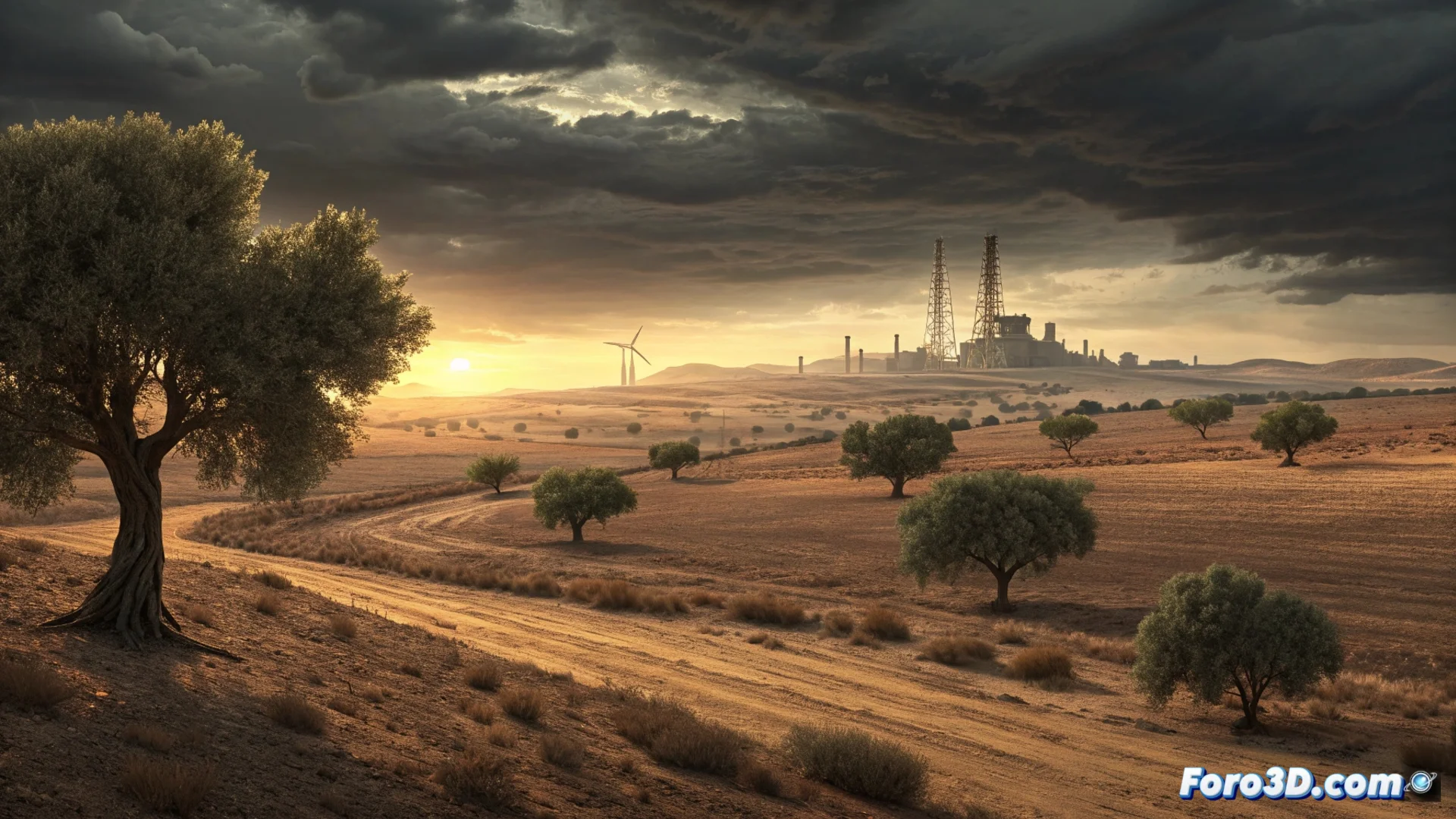
The Balboa Refinery: an industrial project that divided Extremadura
A plan to build a massive oil refinery in Los Santos de Maimona, Badajoz, shook the social and political landscape of Extremadura for years. The initiative, which promised thousands of jobs, included a 200 km oil pipeline to bring crude oil from the coast of Huelva. This megaproject pitted advocates of economic growth against protectors of the fragile dryland ecosystem. 🏭 vs 🌳
The origin of a lasting controversy
Between 2007 and 2011, the project advanced through administrative procedures, even obtaining some favorable environmental impact declarations. However, citizen resistance organized quickly. The debate transcended the local level to become a national symbol of what kind of development Spain wanted, with divided positions even within Extremadura's parties.
Key points of the conflict:- Economic promise: Creating massive employment in one of the country's poorest regions.
- Environmental risk: Possible damage to aquifers, traditional agriculture, and public health in a dryland area.
- Critical infrastructure: Building an oil pipeline more than 200 kilometers long through the territory.
Society debated and ultimately rejected a megaproject that promised to transform its economy.
The opposition organizes and grows
Social mobilization was decisive. Platforms like Refinery NO coordinated large demonstrations, arguing that the industrial facility endangered vital resources. The constant pressure from environmental and neighborhood groups kept the project in the public and political spotlight throughout the decade.
Factors that led to abandonment:- Persistent social opposition: Continuous demonstrations and awareness campaigns.
- Economic context change: The global financial crisis altered priorities and viability.
- Political difficulties: Lack of clear and stable institutional consensus.
A silent end in the countryside
In 2011, the promoting company announced that it definitely ruled out building the Balboa refinery. The energy giant that promised to revolutionize the Extremadura economy never materialized. Today, on the land earmarked for the plant, only olive trees and holm oaks thrive, a natural testament to the intense battle between industrial progress and rural conservation. The project remains as an example of how a community can decide its future. 🤝