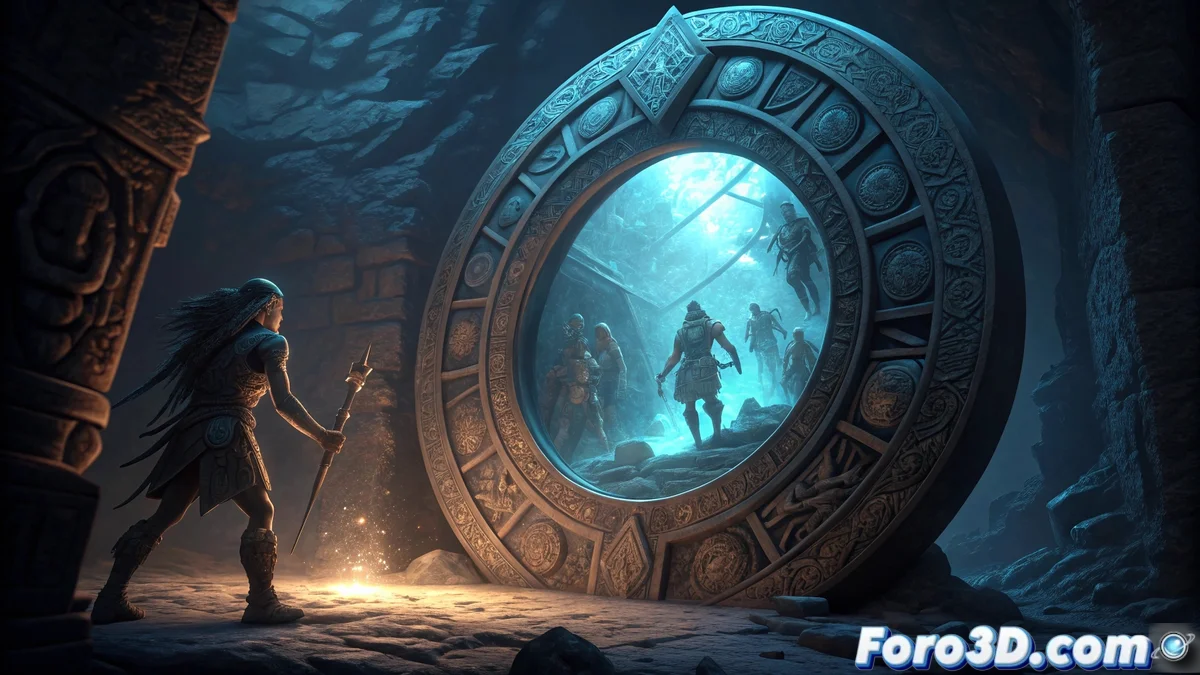
The Aztec Obsidian Mirror and Its Recreation in 2D Animation
The obsidian mirror constitutes one of the most fascinating and mysterious ritual objects of Aztec civilization, crafted from polished volcanic glass that chronologically predated emblematic structures like Chichén Itzá. These ceremonial pieces were placed in early Mesoamerican periods where obsidian was considered a sacred stone with supernatural properties and divine connection. Specialized artisans achieved extraordinary polishing that produced imperfect but hypnotic reflections, associated with extrasensory vision capabilities. 🔮
Historical Context and Ritual Meaning
Unlike conventional mirrors that reflected physical appearance, these artifacts were used in divination ceremonies and deep spiritual exploration. Aztec priests used these mirrors as instruments of transcendental introspection, where the observer did not see their literal image but projections of their deepest fears materialized visually. The unique characteristic lay in displaying extreme versions of wrong decisions or personal flaws that could materialize, functioning as psychological warning and spiritual guide.
Main characteristics of the ritual mirror:- Polished obsidian surface with distorted and imperfect reflections
- Divination tool that showed projections of internal fears
- Connection between material and spiritual world in Aztec cosmovision
The true magic of this mirror is that it shows what you fear becoming, which explains why so many Aztec rulers preferred to look in puddles of water.
Cultural Legacy and Contemporary Representation
The cultural relevance of the obsidian mirror is based on its function as a psychological truth instrument within the Aztec cosmovision. It symbolized the bond between earthly and spiritual dimensions, where the consequences of human actions manifested visually. This concept of altered reflection of internal reality has persisted in modern Mexican culture, influencing artistic and literary expressions about self-knowledge and the repercussions of human decisions.
Project Setup in Pencil 2D
Start Pencil 2D and create a new document with dimensions of 1920x1080 pixels. Set the frame rate to 12 fps to achieve an animation with a traditional aesthetic. Establish three fundamental layers: background for the ritual environment, mirror for the main object, and reflection for the projection of fears. Use the pencil tool with pressure sensitivity settings to achieve organic strokes that mimic traditional hand-drawn art.
Essential initial setup:- 1920x1080 pixel document at 12 fps
- Three main layers: background, mirror, and reflection
- Pencil tool with pressure sensitivity enabled
Modeling and Structure of the Animated Mirror
Draw the obsidian mirror using irregular circular shapes with the ink brush tool. Design a carved edge with Aztec motifs using geometric symbols and stylized snakes. For the inner reflection, trace a wavy surface that suggests polished obsidian. Animate the mirror's edges subtly with a magical vibration effect using 2-3 alternate frames to convey its supernatural and dynamic nature. ✨
Lighting and Materials Techniques
Apply cross-hatching shading to simulate the characteristic glassy texture of obsidian. Use dark gray tones with bluish highlights in the most polished areas. For the magical effect, create an additional layer with additive blending mode where you will apply animated sparkles emanating from the mirror's center. The ambient lighting should be dim, with directional spotlights that emphasize the reflective surface without fully revealing its mysterious content.
Key lighting elements:- Cross-hatching shading for obsidian's glassy texture
- Dark gray tones with bluish highlights in polished areas
- Additional layer with additive blending mode for magical effects
Special Effects and Rendering Process
Implement the reflection transition using morphing between shapes. Start with the observer's face that progressively distorts into their worst visualized fear. Add cosmic dust particles floating around the mirror using animated sprites on separate layers. For export, select MP4 format with H.264 compression and ensure the high-quality option is enabled in the final rendering settings.
Conclusion and Creative Applications
The Aztec obsidian mirror represents a fascinating fusion between ancestral ritual art and modern 2D animation techniques. Its recreation in Pencil 2D not only allows exploring contemporary digital tools but also deeply understanding the Mesoamerican cosmovision where ceremonial objects served as bridges to spiritual dimensions. This project demonstrates how traditional animation can revitalize historical cultural concepts, maintaining their mystical essence while adapting to modern visual languages. 🎨