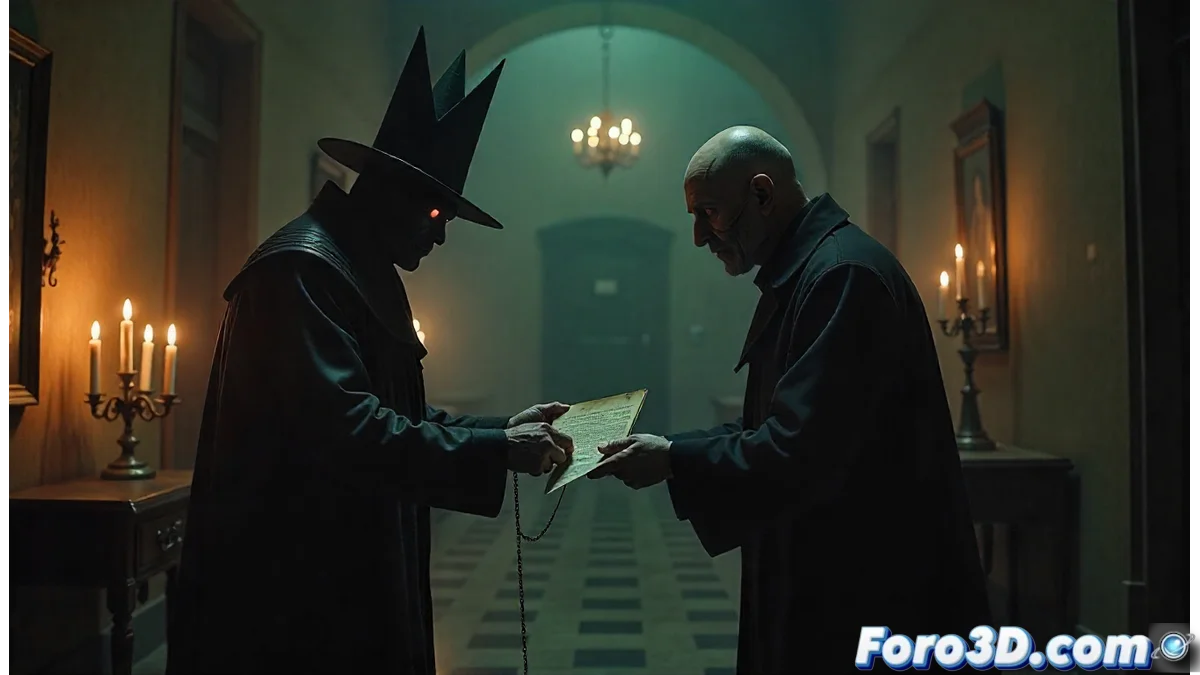
The Attorney General of the State and His Appointment in the Shadows
In the Spanish institutional labyrinth, the figure of the Attorney General of the State emerges as a fundamental actor whose appointment follows paths as complex as they are opaque. 👁️🗨️
The Hidden Appointment Mechanism
The selection of this high judicial office begins with a political choreography where the Council of Ministers presents the formal proposal to the King, who plays a ceremonial but symbolically crucial role. Before this decisive moment, a process of discreet consultations is activated where bodies such as the General Council of the Judiciary and the Plenary of the Public Prosecutor's Office issue evaluations that, although not binding, weigh like silent judgments on the candidate's suitability.
Critical Stages of the Process:- Request for technical reports from higher judicial bodies
- Ministerial deliberation in reserved sessions
- Royal signature confirming the official appointment
In this theater of the institutional, titles hide faces we would prefer not to see, and procedures mask realities that remain in the shadows.
Duration and Conditions of the Term
The term of office is set at four years, a cycle that can be renewed indefinitely, creating a continuity that some interpret as stability and others as perpetuation of power. Causes for early termination include ministerial agreements, voluntary or forced resignations, and compliance with legal requirements that are rarely discussed publicly.
Characteristics of the Term in Office:- Four-year duration with unlimited re-election possibility
- Little transparent early termination mechanisms
- Precarious balance between independence and political pressure
Functions in the Institutional Darkness
The main powers of the Attorney General develop in spaces where transparency shines by its absence. He exercises the superior direction of the Public Prosecutor's Office, represents this institution before the higher courts, and ensures a formal independence that in practice translates into operational isolation. Although theoretically he does not receive instructions from other branches of the State, the application of the law becomes an exercise in interpretation where jurisdictional shadows have more weight than legal texts. 🎭
Final Reflections on the System
The true question that arises when analyzing this figure does not lie so much in who holds the position, but in what it represents within the architecture of the Spanish judicial power. The bureaucratic nightmare where procedures mask uncomfortable realities raises fundamental doubts about the very nature of our justice and whether we will ever unravel the threads that move these institutional puppeteers.