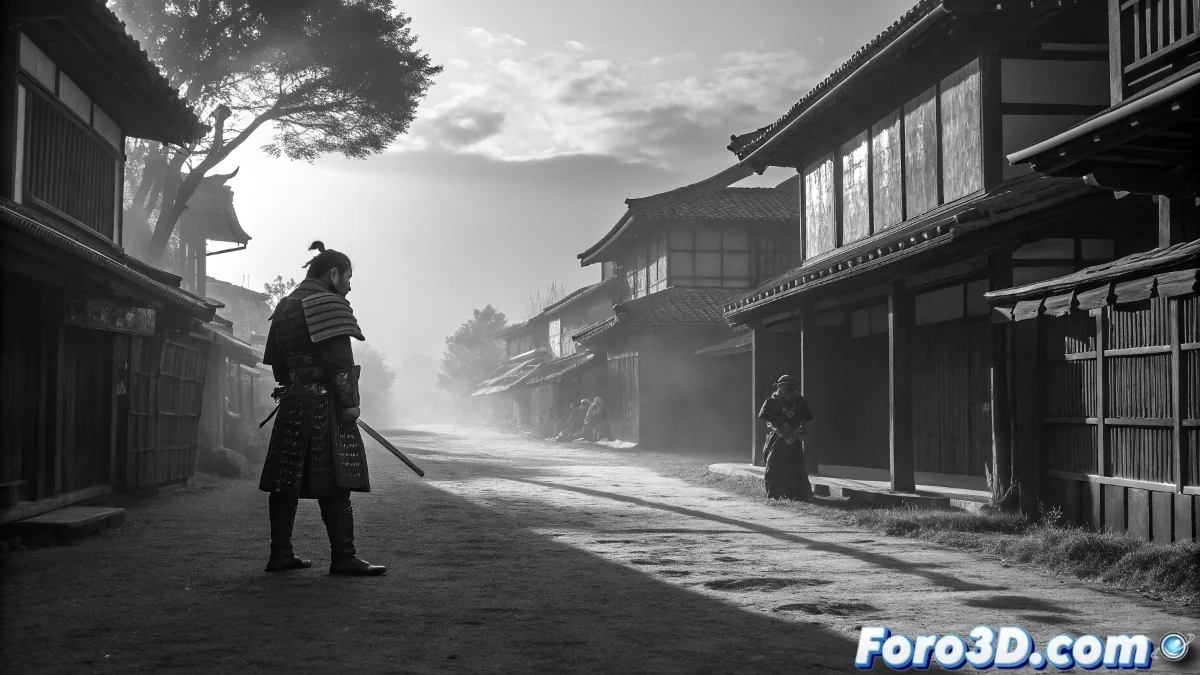
When Emptiness Speaks: Lessons from Kurosawa for 3D Artists
The Japanese genius didn't just make movies - he designed visual tension with the precision of a Swiss watchmaker ⏱️. His minimalist frames, where negative space shouted louder than any dialogue, are today masterclass lessons for any digital artist. How to bring that language to Blender or Unreal? Get ready to learn from the sensei of visual suspense 🎭.
"In Kurosawa, every centimeter of the frame has psychological meaning. There are no casual elements," explains a film historian.
Setting Up a Kurosawa-esque Stage in 3D
To replicate his style you will need:
- Cameras with long lenses (85mm+) that compress the scene
- Asymmetrical composition where emptiness has dramatic weight
- Pronounced DOF to isolate the main character
- Hard lights that create shadows like katana cuts
The Power of What is Not Seen
Kurosawa mastered three key elements you can apply to your renders:
- Visual Economy: Less is more (until the blood arrives)
- Timing: Pauses that load the scene with meaning
- Emotional Architecture: Backgrounds that reflect internal conflicts
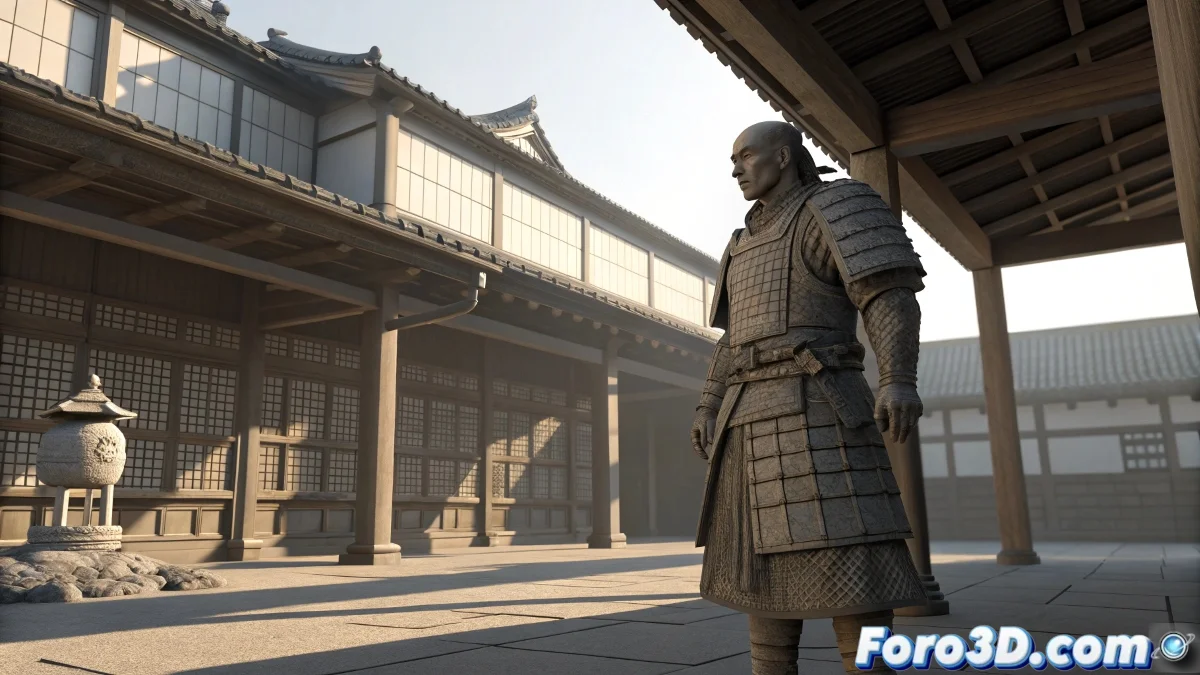
Practical Cases for Your 3D Software
Recreating iconic scenes:
- Silent Duels: Limited animation with expressive rigs
- Blood Explosions: Fluid simulations with dramatic weight
- Crowds: Instancing that follows geometric patterns
The next time you design a 3D scene, ask yourself: Where would Kurosawa place the camera? Because mastering ZBrush is fine, but mastering the art of visual tension is what separates artists from masters. And remember: sometimes the most powerful shot is the one where almost nothing happens... until it does 😉.