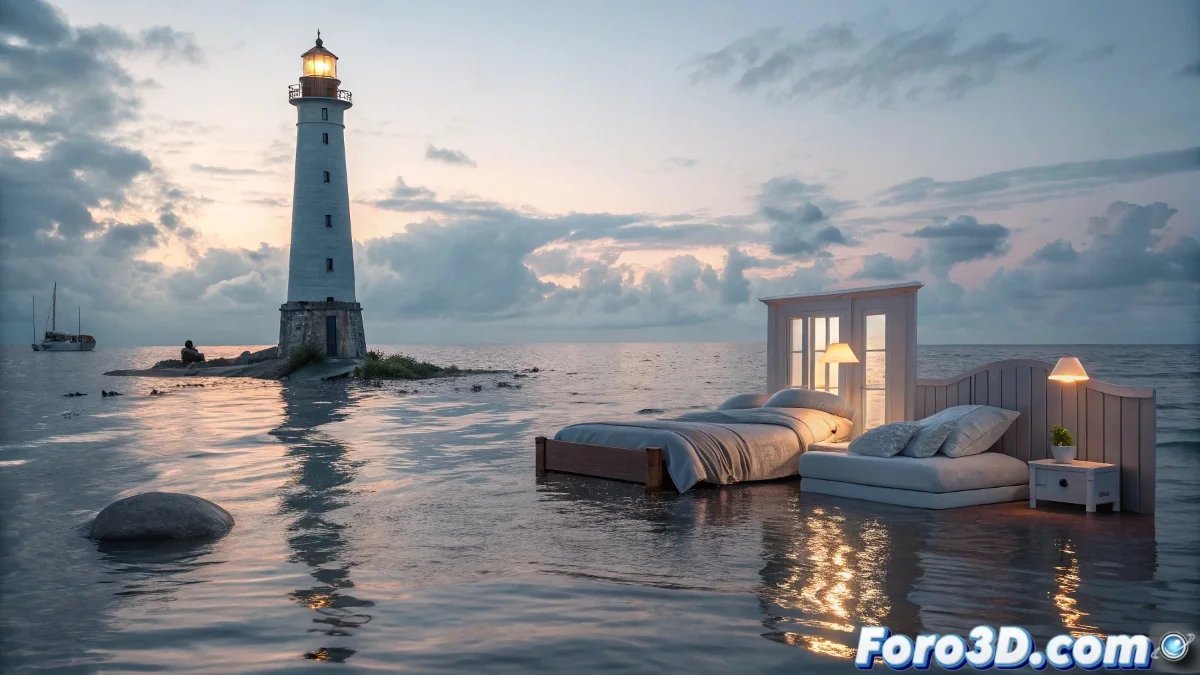
When Dreams Need a Rendering Team
In Slumberland, the visual effects artists had the most unusual job: making the impossible seem as real as a vivid dream. Because, let's be honest, even our wildest dreams need a multi-million dollar budget. 🌙✨
"The biggest challenge wasn't creating impossible worlds, but making the audience believe in them with the same conviction that a child believes in the monsters under their bed."
Dream Architecture: Where Physics Is Optional
To build these worlds:
- Houdini simulations of gravity-defying water
- Maya modeling of surreal cities with dream logic
- Arnold/V-Ray rendering for "almost real" textures
- Nuke compositing integrating actors with impossible sets
The result is so magical that even adults will forget to pay their taxes for a moment. 🏰💸
Creatures That Leapt from Dreams to the Screen
The digital bestiary included:
- Flying pigs with cloud dynamics
- Nightmare monsters that melt and recompose
- Hybrid beings that shapeshift according to emotions
Because in Slumberland, even pets need alternative physics. 🐷🌪️
Transitions That Hypnotize
The journey between worlds required:
- Lighting changes that mimic the passage to dream states
- Environmental distortions that melt like memories
- Camera effects that simulate dreamlike perception
So now you know: the next time you dream, check the credits... just in case. 🎥💤
The Emotional Power of the Invisible
The subtlest details:
- Textures that seem remembered rather than seen
- Colors that intensify according to emotional charge
- Shadows that behave "incorrectly" but believably
Because in Slumberland, even the pixels have permission to daydream. 💭🎨