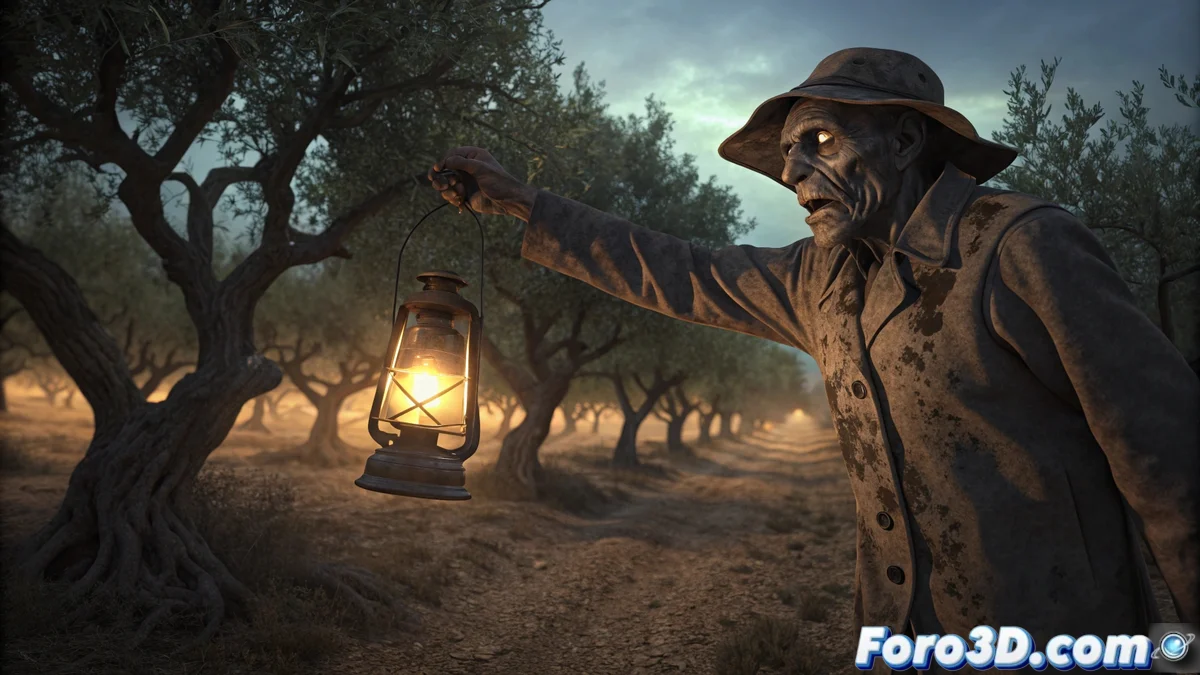
The Arropiero: When Legend Surpasses Reality
A sinister figure, the Arropiero, sowed panic in several generations of Andalusians. This character is born from combining the real chronicle of the criminal Manuel Blanco Romasanta with the old myth of the sacamantecas. Between the 1960s and 1970s, terror spreads about an individual who captures children to extract their body fat, the arrope, and market it as a miraculous cure. Although the criminal acts do not include these rituals, the story sinks into the collective memory, operating as a dark warning for disobedient children. 🐺
The Criminal Basis: Manuel Blanco Romasanta
The real sustenance of the fear is provided by Manuel Blanco Romasanta, a 19th-century murderer. Law enforcement arrests him, and he admits to a series of homicides. His profile takes on an even more macabre tone when he claims to suffer from lycanthropy, stating that he turns into a wolf to carry out his misdeeds. This claim, added to his job as a traveling salesman that allows him to move unseen, fuels rumors in the villages. His image merges with the archetype of the dangerous stranger who prowls lonely roads.
Elements that Fuse Reality and Myth:- Romasanta's lycanthropy confession, which feeds the idea of a man-beast.
- His itinerant trade, perfect for the legend to travel from village to village.
- The nature of his crimes, which, although not involving fat extraction, were associated with cannibalism.
The sacamantecas legend aimed to protect, but its most immediate effect was to deeply terrify those it should have cared for.
The Ancestral Myth of the Sacamantecas
The sacamantecas narrative predates Romasanta and endures beyond him. It is a folklore tale that warns about strangers seeking human fat, a component supposed to be valuable for preparing ointments and potions. In the 20th century, specifically in the postwar period and the 1970s, this collective fear revives with intensity. Parents use the Arropiero story to scare their children and prevent them from straying from home, solidifying a monstrous entity that embodies the external threat and the unknown.
Reasons for the Myth's Persistence:- Social control function: keeping children within the safe limits of the village or home.
- Personifying abstract fears like poverty, disease, or strangers in a tangible figure.
- Transmitting generational warnings through a memorable and chilling tale.
The Paradox of a Warning Tale
Ironically, the original purpose of the sacamantecas tale was to protect children from real dangers. However, its implementation produced the opposite effect: terrifying them to the point of causing recurrent nightmares and a pathological fear of the dark and any stranger. This side effect was counterproductive to the safety lesson intended, demonstrating how a control tool can mutate into a source of trauma. The Arropiero legend, therefore, is not just a piece of folklore, but a reflection of how societies process fear and transform it into enduring narrative. 🧠