The Art of Texturing Industrial Complexity with Substance 3D
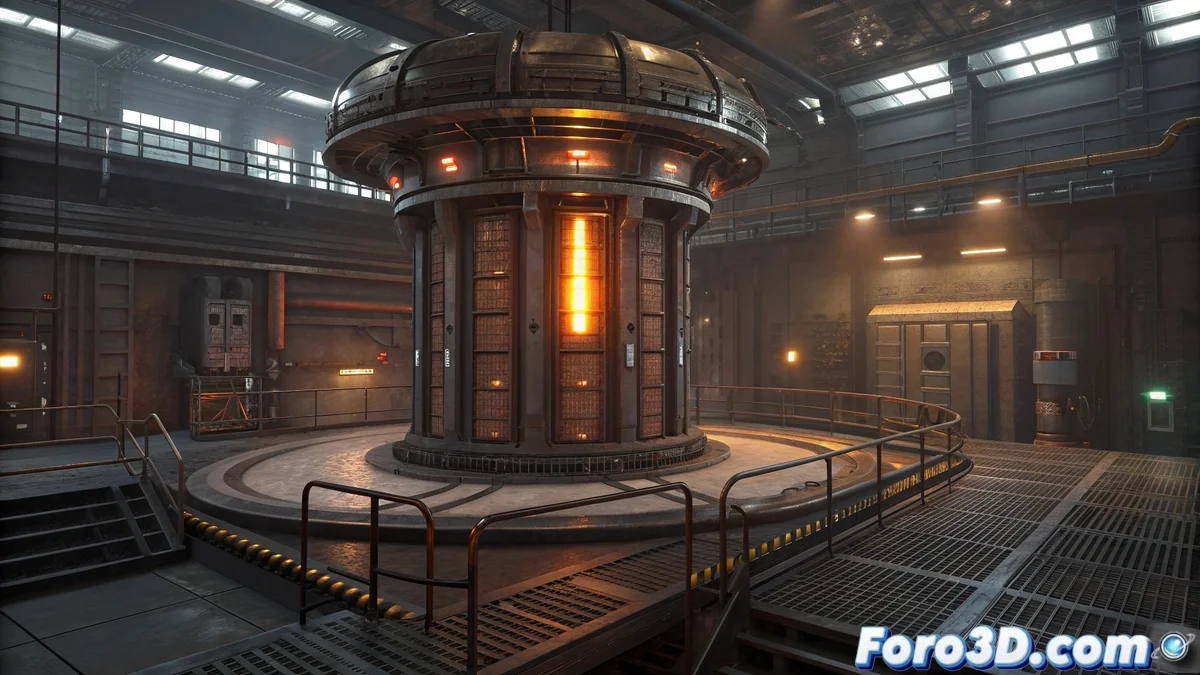
When it's time to bring a complex model to life, few tools are as comprehensive as the Substance 3D suite 🎨. Imagine a project inspired by a nuclear fusion reactor: full of metal pipes, steel surfaces, ceramic coatings, and industrial wear details. The key is to organize the UVs well and leverage smart materials to achieve a believable result without wasting time on repetitive details. This process transforms basic geometry into convincing industrial realism.
Model Preparation and UV Management
The workflow begins with meticulous preparation:
- UV Unwrapping: In Blender, Maya, or 3ds Max with consistent proportions
- Space Optimization: Maximum utilization of available UV space
- Logical Grouping: Organization by materials and surface types
- Proper Export: FBX or OBJ formats preserving UV information
- Uniform Scale: Avoid texture distortion on different parts of the model
- Version Backups: Save progress at each important stage
This solid foundation is essential for professional results 📐.
Material Application and Industrial Realism
Substance 3D Painter offers advanced capabilities:
- Smart Materials: Procedural application of complex surfaces
- Automatic Masks: Generation of dirt, rust, and contextual wear
- Organized Layers: Logical structure for different materials and effects
- Resource Library: Steels, ceramics, crystals, and specialized materials
- Emission Effects: Simulation of energy and heat with emission maps
- Manufacturing Details: Welds, rivets, and fabrication marks
These tools create realism through cumulative layers of detail 🔧.
Integration with Render Engines and Final Workflow
Export and implementation close the process:
- Map Export: Albedo, roughness, metallic, normal, AO, and emission
- Export Configurations: Appropriate formats and resolutions for each engine
- Integration in Cycles: Node setup for photorealistic rendering
- Optimization for Unreal: Material adjustments for real-time
- Lighting Tests: Verification under different lighting conditions
- Final Adjustments: Tweaks based on visual and technical feedback
This phase ensures the work looks perfect in the final context 🚀.
Texturing a nuclear reactor sounds epic until you search for the perfect rust texture
In the end, texturing a nuclear fusion reactor in Substance 3D demonstrates that the magic of digital realism lies in the seemingly insignificant details. While scientists work on mastering nuclear fusion, 3D artists work on mastering perfect rust and convincing wear... because sometimes, the difference between science fiction and convincing science is in a good roughness texture 😅.