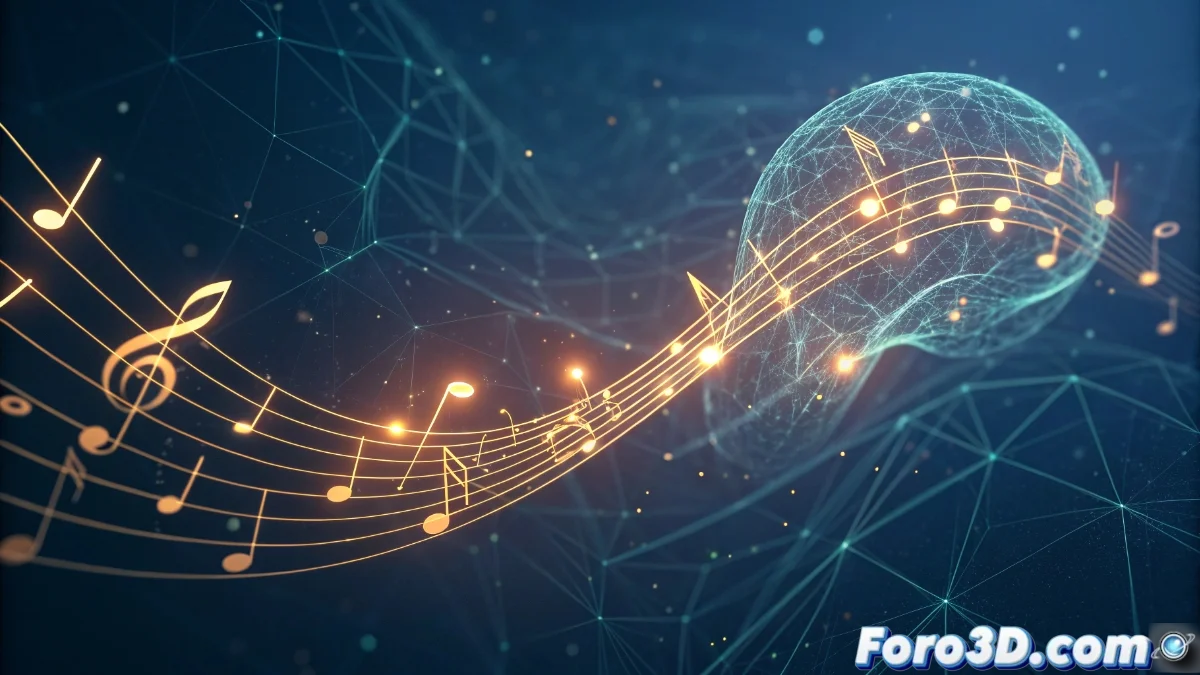
Text-to-Audio Models: Transformation of Musical Creation and Cognitive Practices
Artificial intelligence systems that convert text to audio are fundamentally altering musical production paradigms, enabling the generation of complex compositions from simple linguistic descriptions. This technology is generating new forms of sonic meaning that challenge creative methods established for centuries 🎵.
Semiotic Transduction Mechanisms and Cognitive Adaptation
From structuralist and post-structuralist approaches, these platforms function as signification devices that perform translation processes between language and sound. Semiotic transduction converts textual descriptions into sophisticated auditory architectures, while simultaneously reorganizing basic cognitive frameworks such as assimilation and accommodation, requiring users to develop new musical conceptualization competencies that integrate natural language with acoustic syntax.
Fundamental Transformations:- Conversion of linguistic descriptions into multidimensional sonic structures
- Restructuring of basic musical cognitive processes
- Fusion of textual syntax with complex auditory grammars
These systems act as epistemic instruments that explore connections between language, musical cognition, and cultural context, modifying both production and auditory perception in real time.
Repercussions on Current Musical Methodologies
Research centered on Udio as a paradigmatic case study contextualizes this innovation in direct relation to practices such as sampling, plunderphonics, and contemporary corpus exploitation strategies. The mass accessibility to these tools, evidenced in viral phenomena and emerging digital platforms, is catalyzing substantial transformations in creative practices by democratizing musical production and promoting more analytical and reflective listening modalities that question conventional categories of authorship and originality.
Specific Impacts on Musical Creation:- Radical democratization of composition through textual descriptions
- Evolution toward more critical and analytical forms of audition
- Deep questioning of traditional concepts of creative authorship
New Horizons for Sonic Creation
Currently, anyone can generate complex symphonies simply by describing what they want to hear, while musicians trained in traditional methods wonder if they would have needed to study creative writing instead of solfège. This transformation represents a historical turning point where technical barriers dissolve and a new creative ecology emerges that redefines what it means to compose music in the digital era 🎹.