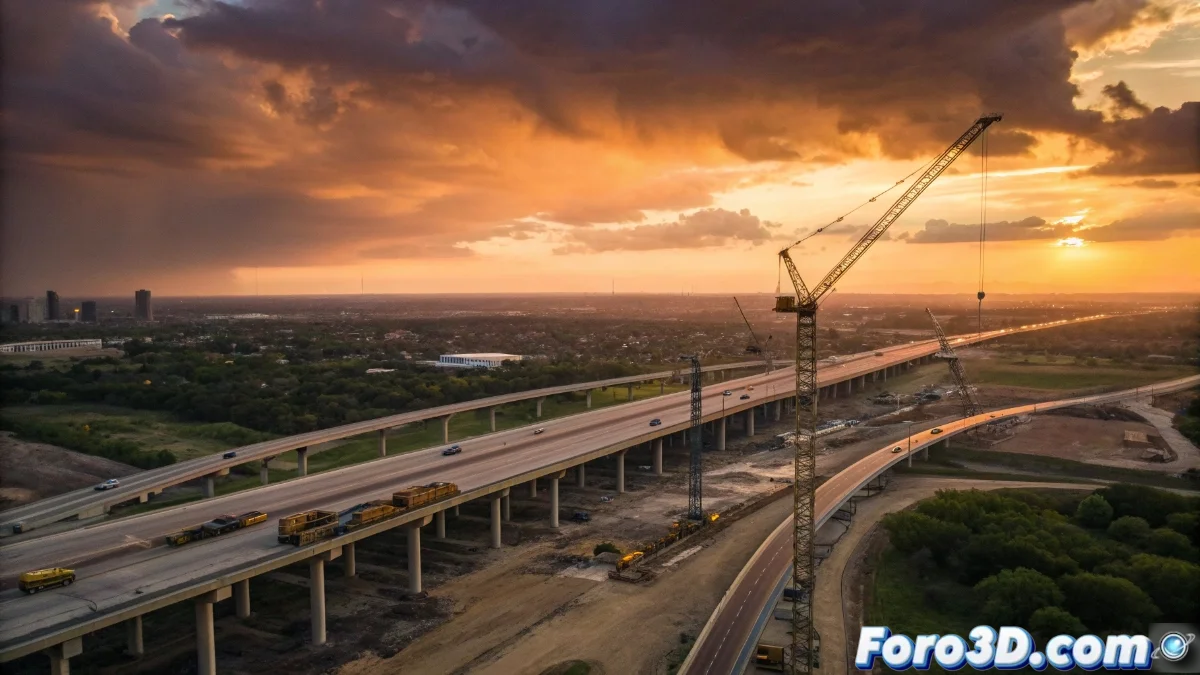
Texas Revolutionizes Its Interstate Network with Megainfrastructure Project
The Texas Department of Transportation has initiated a historic transformation of its highway system with a pharaonic project that will completely reconfigure the state's main interstates. This initiative, scheduled to unfold over the next decade, represents one of the most significant infrastructure efforts in recent United States history 🛣️.
Strategic Transformation of Texan Mobility
The smart relocation of these vital roadways aims to resolve chronic congestion problems in the most critical metropolitan corridors, especially in the areas of Dallas, Houston, and Austin. Engineers project that these structural modifications will not only improve vehicle flow but also incorporate advanced safety systems that will significantly reduce traffic accidents.
Main benefits of the highway redesign:- Reduction of up to 40% in travel times during peak hours
- Implementation of real-time intelligent traffic management systems
- Creation of emergency corridors for urgent services
"This project is not just about moving concrete and asphalt, but about connecting communities and driving sustainable economic progress" - Texas Department of Transportation
Regional Economic and Logistical Impact
The reconfiguration of commercial routes will have a domino effect on the economy of the entire state. It is anticipated that the new trajectories will optimize supply chains, shorten freight transport routes, and revitalize currently underutilized economic zones. However, during the construction phase, users will need to adapt to temporary detours and scheduled closures that will require additional planning.
Technological innovations incorporated:- Electronic toll systems with automatic license plate recognition
- Dynamic lanes for high-occupancy vehicles with variable tolls
- Next-generation composite materials with greater durability
Sustainable Vision and Adaptation to the Future
Environmental sustainability criteria are fundamental in this massive redesign. Planners have integrated ecological solutions such as sustainable drainage systems, plant-based acoustic barriers, and preparation for the future incorporation of electric and autonomous vehicles. This holistic approach ensures that the infrastructure not only meets current needs but is also prepared for the mobility challenges of the coming decades 🌱.