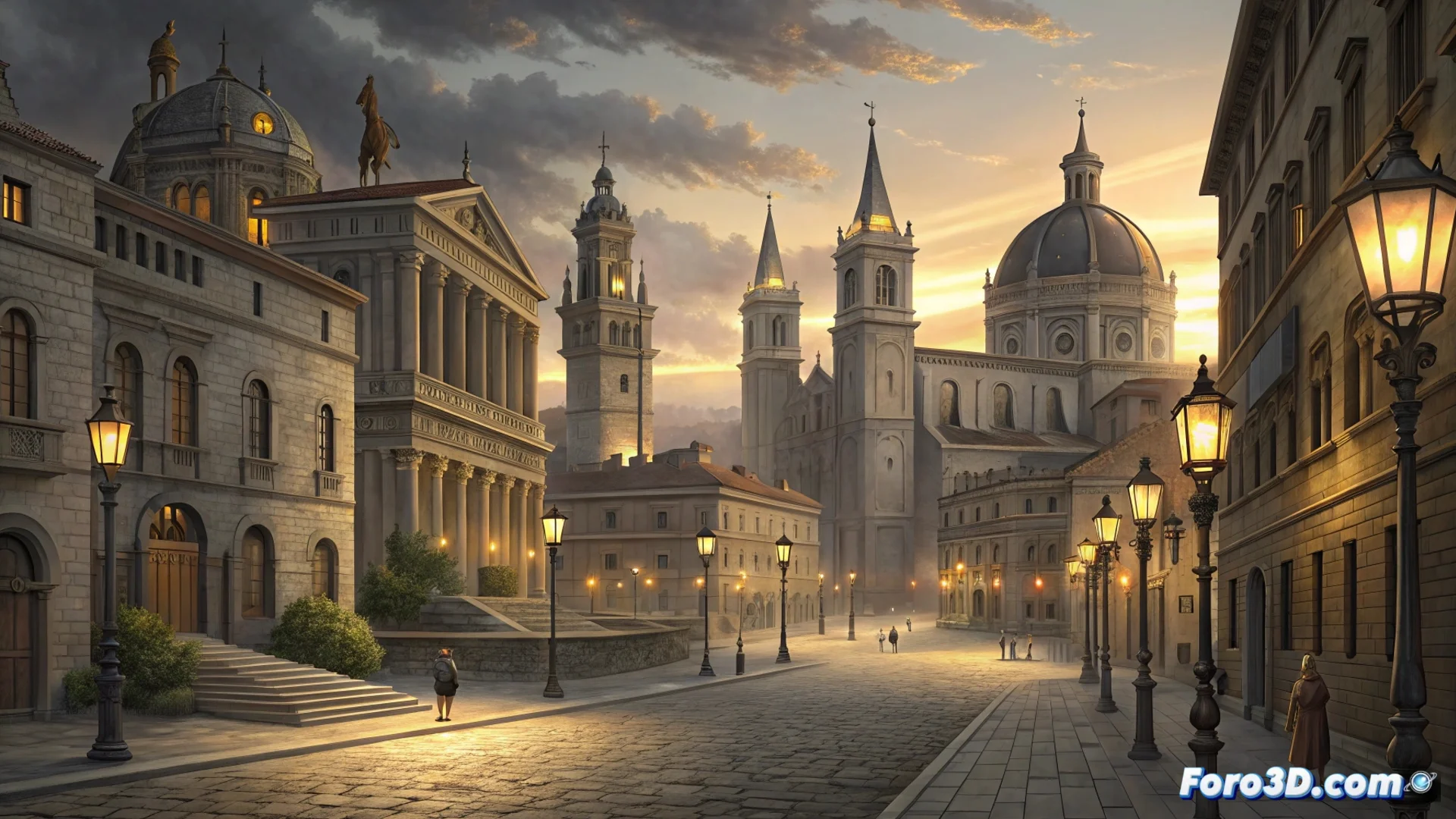
Ten Spanish cities compete to be the European Capital of Culture in 2031
The Ministry of Culture has revealed the ten Spanish cities that have passed the first phase to compete for the title of European Capital of Culture in 2031. The list includes Toledo, Burgos, Cáceres, Granada, Jerez de la Frontera, Las Palmas de Gran Canaria, Oviedo, Palma de Mallorca, and Potries. Now, the process enters a decisive stage where detail and feasibility will be key. 🇪🇺
The path to the final designation
The preselected cities have a deadline, until the end of 2026, to develop their candidacy dossiers. In these documents, they must outline their specific cultural program and demonstrate that they can organize an event of this magnitude. An independent panel of experts will visit each city during the first half of 2027 to evaluate on the ground.
Key process calendar:- End of 2026: Submission of the detailed candidacy dossier by the ten cities.
- First half of 2027: On-site visits by the international jury of experts.
- End of summer 2027: The jury will recommend a shortlist of finalist cities.
- End of 2027: Official designation of the European Capital of Culture 2031 in Spain.
The real competition starts now, when it's time to move from illusion to presenting a concrete calendar and a viable budget.
More than an honorary title
Obtaining this designation implies much more than symbolic recognition. For the chosen city, a window of continental projection opens, which can serve to renew infrastructure, dynamize the local creative sector, and attract quality tourism. However, it also requires a great capacity to manage and finance a wide program of activities throughout an entire year.
Critical aspects for success:- Solid cultural project: An ambitious and well-structured program that reflects the city's identity.
- Citizen participation: Involving the local community is essential for the event's legacy.
- Financial viability: A realistic and transparent budget that does not generate social rejection.
- Lasting legacy: Planning not only for the capital year, but for the city's cultural future.
The decisive phase is underway
With the announcement of the