Telly Gives Away TVs with Permanent Advertising
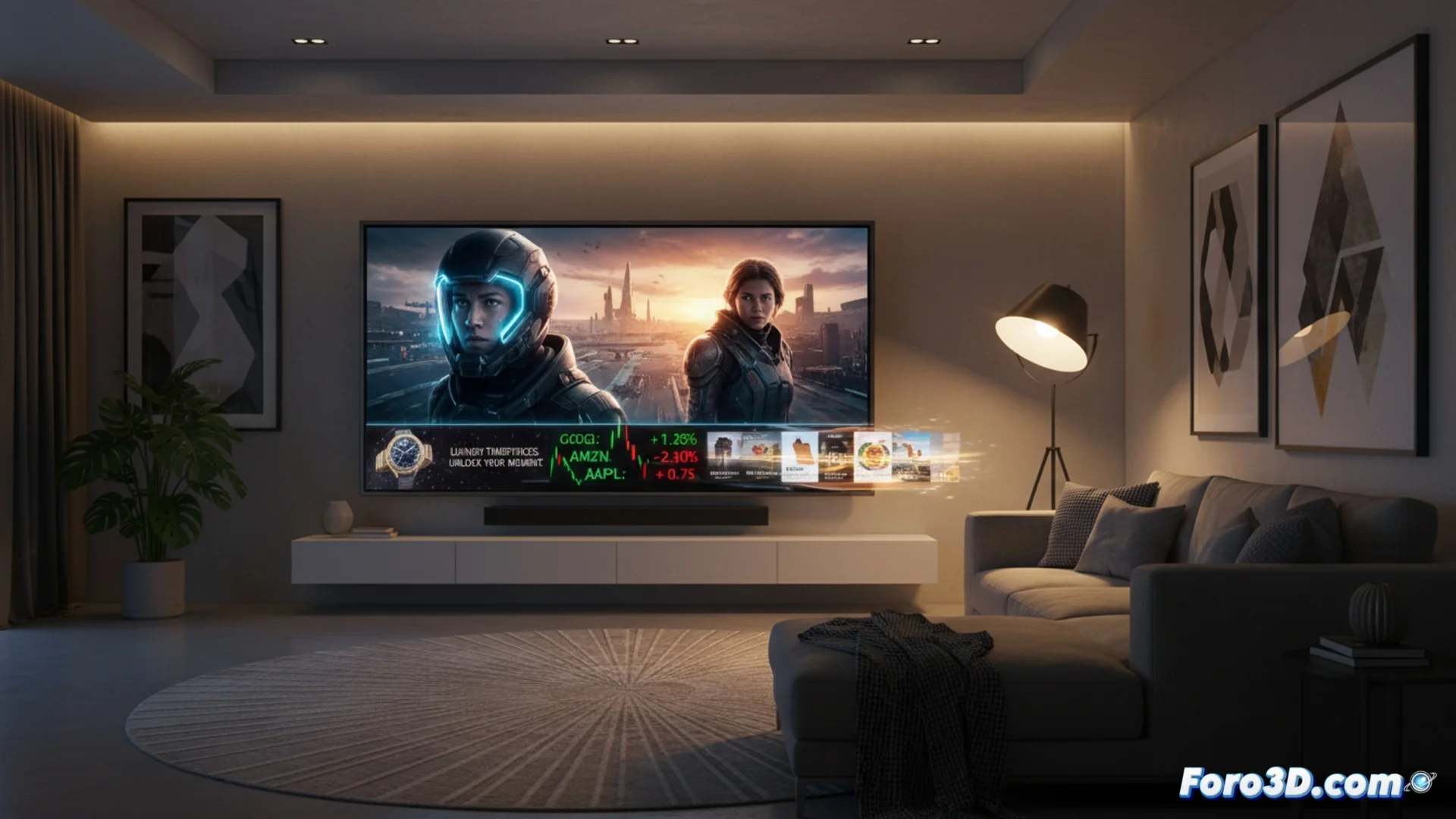
The company Telly operates on a business strategy that consists of delivering smart TVs at no cost to consumers. In exchange, these devices constantly display a promotional band that is impossible to hide. This space, which occupies a section of the screen, remains visible even when playing content from other apps or platforms. The company's revenue comes from selling those slots to brands, which covers the cost of the equipment for the end user. The concept aims to establish a new segment in the television sector, where the public gets cutting-edge technology without paying upfront. 📺
The Operation Overcomes Distribution Challenges
Although the idea has managed to interest many people, Telly has needed to resolve certain setbacks to deliver the TVs. These delays in the supply and shipping chain have created anticipation among those awaiting their device. However, the company does not stop and continues with its distribution program. Reports indicate that the project is sustainable and that they process a high volume of requests. The opinions of users who have already received the product are varied: some appreciate getting it for free and others reject the invasiveness of the ads.
Key Details of the User Agreement:- The TV includes a small second screen at the bottom only for promotions, news, or weather.
- Users sign a contract committing to use it as their main screen.
- The system also collects and sends data on what is watched, a point that not everyone reviews carefully.
Long-term viability depends on advertisers continuing to invest and consumers accepting the trade-off.
Integrated Advertising Shapes Device Usage
The core of Telly's model is incorporating advertising in a fixed way into the interface. The promotional band operates autonomously and does not interrupt the main content displayed on the large screen. The company defends that this approach enables providing a high-end device with features like voice recognition and powerful audio, without the customer paying. The user experience is defined by this constant exchange between content and promotion.
Aspects That Define the Experience:- The advertising strip never disappears; it is a permanent element of the interface.
- It offers advanced technology without an initial outlay, but at a cost in attention and data.
- It generates a new consumption dynamic where the viewer funds the hardware with their viewing.
Balance Between Opportunity and Privacy Trade-off
Telly's approach represents a clear option for those who want current TV technology without buying it. However, the agreement implies giving up a permanent screen space and authorizing monitoring of how the device is used. The future success of the concept will be measured by how long users perceive that the benefit outweighs the annoyance and by the continued interest of advertisers in this platform. The model challenges traditional conventions of media ownership and consumption. 🤔