Tekkonkinkreet: the manga that redefines the city as a character
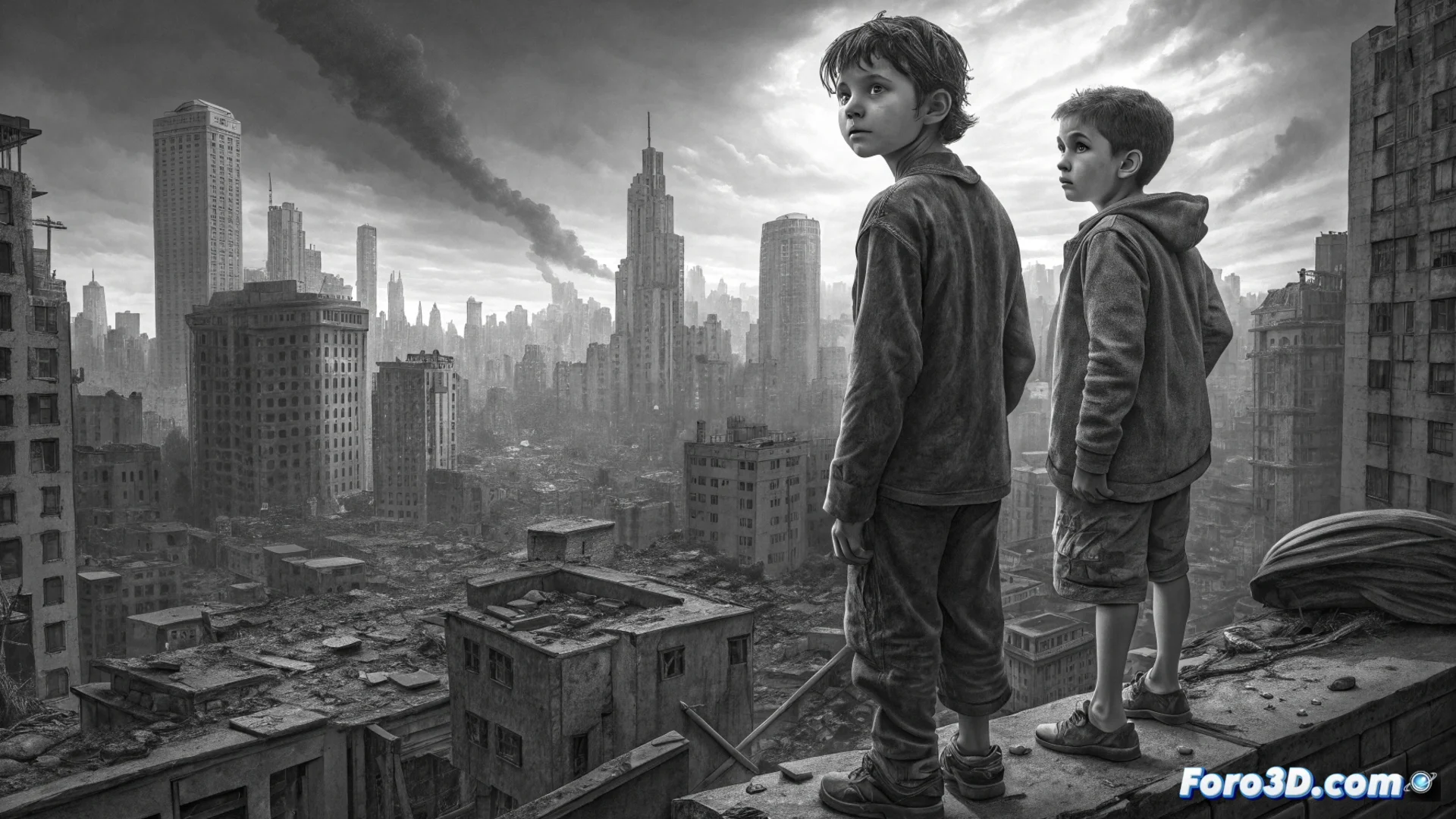
In the heart of urban chaos, Tekkonkinkreet by Taiyo Matsumoto presents a world where the streets have a life of their own. The story centers on two young orphans, Kuro and Shiro, who use their wit and agility to dominate and protect their territory in the so-called Treasure City. Their fragile balance is broken when external forces, such as a powerful corporation with yakuza ties, decide to completely remodel the metropolis, unleashing a struggle for survival that will be aggravated by the intervention of supernatural figures. 🏙️
An urban canvas with anarchic strokes
Taiyo Matsumoto's graphic style is the soul of this work. It rejects the conventions of traditional manga to adopt a raw and expressive line that distorts reality. Treasure City is not a mere setting; it becomes a living character, with buildings that twist and perspectives that defy logic. This visual approach not only builds an atmosphere of constant tension, but also serves to convey the internal psychology of Kuro and Shiro. The use of black and white accentuates the violent contrasts between childish innocence and the crudeness of the environment they inhabit.
Characteristics of Matsumoto's art:- Impossible perspectives: The compositions break with conventional geometry to create a sense of instability and chaotic energy.
- Raw expressiveness: The strokes directly convey the emotionality of the characters and the suffocating atmosphere of the city.
- Narrative dynamism: Each page flows with a unique visual rhythm, guiding the reader through frenetic action and moments of stillness.
The changing city acts as a mirror of the protagonists' internal transformation.
The essence of the story: duality and transformation
The central narrative of Tekkonkinkreet explores the symbiotic relationship between its two protagonists. Kuro embodies the brute force and aggression necessary to survive, while Shiro personifies purity, imagination, and touching fragility. Together they form a whole called Tekkonkinkreet, a term that suggests the fusion of steel and concrete, reflecting the nature of their city and their bond. The plot delves into universal themes such as losing childhood, fighting to preserve one's own space, and facing a world that seeks to erase the old.
Key plot elements:- Territorial conflict: The children's struggle against other youth groups and a corrupt police force to defend their home on the streets.
- Corporate threat: The arrival of an entity planning to demolish the old order to build a new entertainment district.
- Supernatural intervention: The appearance of assassins with extraordinary abilities that extremely complicate the battle.
A legacy that invites looking with new eyes
Reading Tekkonkinkreet is an experience that transcends the page. The work manages to balance sequences of visceral action with pauses of poetic reflection, making the reader engage in Kuro and Shiro's desperate struggle. This immersion can alter one's own perception of the world, inviting to observe the neighborhood with a new gaze and to wonder what stories and conflicts might hide beneath the apparent surface. Matsumoto's manga remains a powerful testament to how graphic art can narrate the complexities of growing up and resisting in a hostile environment. 🤔