Locked: a Cinematic Experience Inside a Car
Did you know that this movie shows a car moving through the city, but it was actually filmed without moving from the studio?
🚗 Locked is a thriller where a guy gets trapped in a smart SUV. But the heavy part isn't just the story… it's how it was filmed!
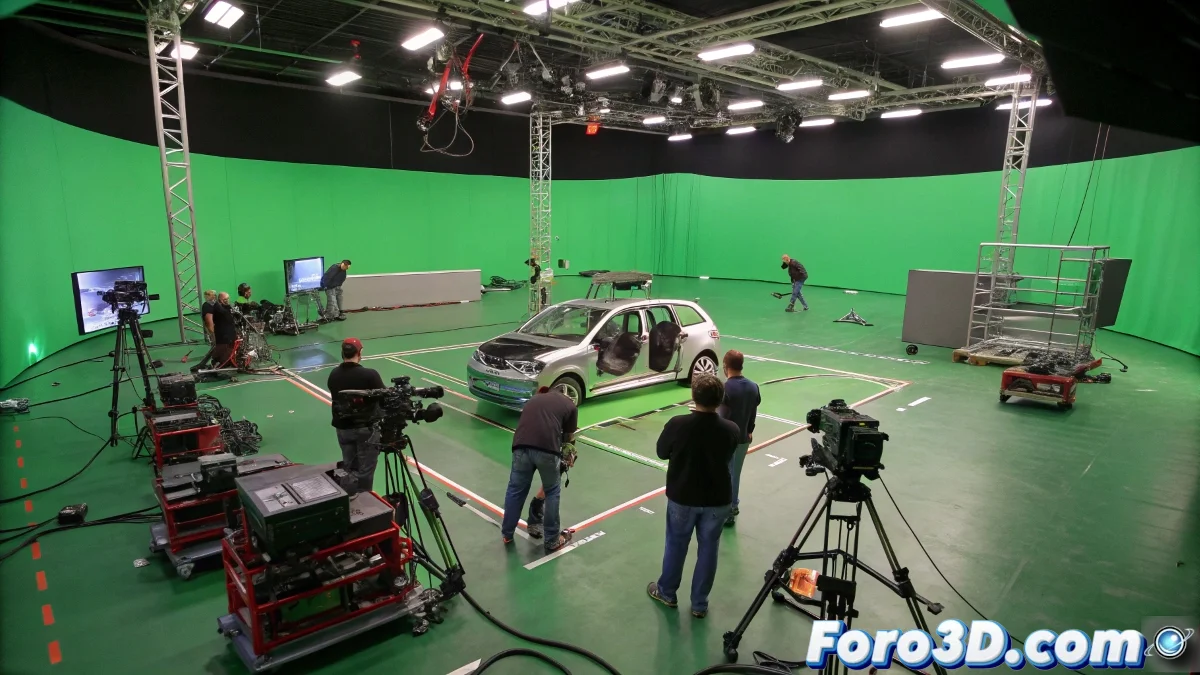
🎥 The director wanted the cameras to get INSIDE the car as if they were part of the action. So… they built a disassemblable car. Literally. They removed and added parts between takes to film from all angles.
🟩 And the city you see through the windows? Green screens. Everything is fake. They filmed with 8 cameras that recorded in 360° and then the effects artists created the digital background from scratch. They even laser-scanned a real parking lot! 🔥
🧠 They used programs like Houdini, Nuke, and one of their own called Crossbow. More than 75 people, in several countries, working on a single scene.
💥 Result: A movie that seems simple, but has a ton of digital magic behind it. And you didn't even notice. 👀
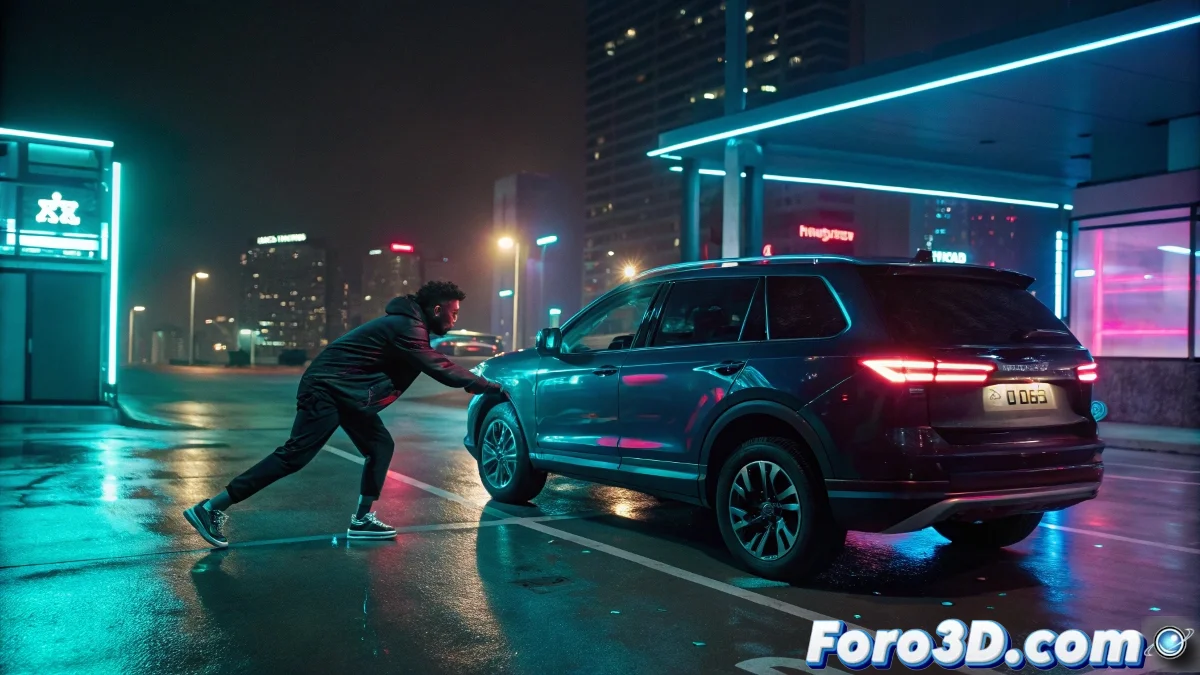
The movie Locked redefines the concept of suspense by developing its plot almost entirely inside an ultramodern vehicle. What might seem like a limited setting transforms, thanks to technology, into a dynamic space full of tension. The story revolves around a young man who, after committing a robbery, discovers that the car is a prison designed to teach him an unforgettable lesson.
"The real challenge was to turn a confined space into a visually fascinating universe," commented the production team during an interview.
Technical Innovations Behind the Cameras
To achieve impossible shots, director David Yarovesky oversaw the construction of a modular vehicle. This allowed:
- Installing eight high-end RED cameras simultaneously
- Removing panels for unprecedented angles
- Recording long sequences without interruptions
- Maintaining visual continuity between shots
The result was a sense of immersion that makes the viewer forget the physical limitations of the main set.
The Art of Simulating Reality
Although the urban scenes seem authentic, they were created digitally in a studio. This decision responded to multiple advantages:
- Absolute control over lighting and reflections
- Possibility to modify environments in post-production
- Elimination of unforeseen issues during exterior shoots
The technicians used laser scans of real locations to recreate urban environments with surprising fidelity. The actors even had digital doubles for later adjustments.
When Technology Becomes Invisible
The true success of the visual effects in Locked lies in their discretion. Platforms like Houdini and Nuke allowed integrating digital elements without breaking verisimilitude. The initial robbery scene, seemingly simple, required:
- 360-degree recording
- Composition of multiple visual layers
- Procedural animation of elements
The team managed to make the technology serve the narrative, without becoming the protagonist. After all, what better special effect than the one that goes unnoticed? Of course, knowing that every reflection was calculated by 75 artists makes you rethink if we've ever seen anything "real" in the movies. 😉