Tebas Did Not Watch the Sevillian Derby to Follow the Second Division and Anticipates Possible Partial Closure
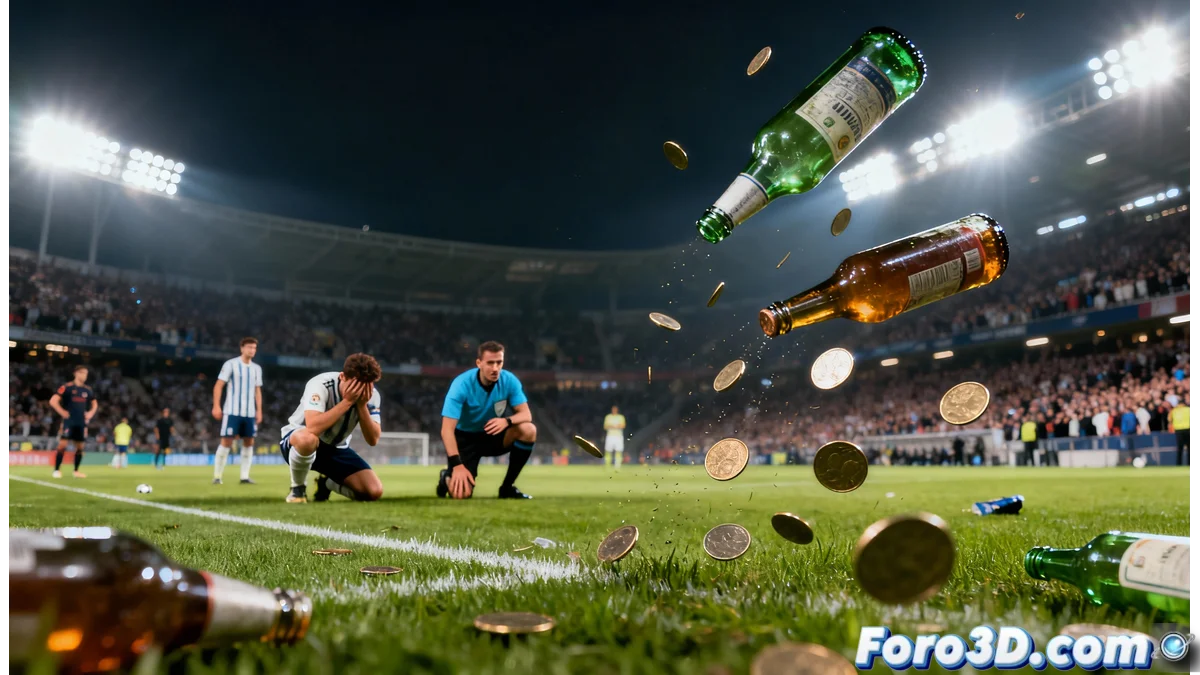
The Spanish football world has focused its attention on some surprising statements from its top executive. Javier Tebas, the president of LaLiga, revealed this Monday that he did not watch the heated Andalusian classic between Sevilla FC and Real Betis. His reason was as unexpected as it was simple: his eyes were on the Second Division. This confession comes at a delicate moment, as the match was interrupted by serious incidents that now threaten an exemplary sanction for the home stadium. 🏟?/p>
An Exemplary Sanction on the Horizon
Beyond the personal anecdote, Tebas and LaLiga's focus is on the disciplinary consequences. The executive has indicated that it is highly likely that a partial closure of the Ramón Sánchez-Pizjuán will be imposed. The events that occurred during the final minutes of the match, where a shower of objects forced the game to stop, fall under a very strict security protocol. The Competition Committee has the authority and, according to all signs, the will to apply this type of corrective measures to deter similar behavior in the future and ensure the integrity of everyone in the stadiums.
Key Details of the Incident and the Possible Response:- Game Interruption: The referee stopped the match in its final stretch due to the massive throwing of objects from a specific stand.
- Zero Tolerance Policy: LaLiga has toughened its stance against these acts, prioritizing safety above any other consideration.
- Foreseeable Sanction: A partial closure of the offending stand is shaping up as the most logical and probable consequence, following the current regulations.
The regulations are clear and throws that interrupt a match usually entail measures such as partial stadium closure. Safety comes first.
The Andalusian Classic, Marred by Violence
The Sevillian derby, always charged with passion, had a bitter end that overshadowed the sporting spectacle. These incidents are not mere anecdotes; they directly endanger players, coaching staff, referees, and spectators. Tebas's statement, although it initially centered the debate on his television choice, ended up redirecting the conversation toward a structural safety problem that still persists in some football venues. The need to eradicate these behaviors is a front on which Spanish football cannot yield. ⚠️
Reflections on the Episode:- Executive Multitasking: Tebas's confession illustrates the difficulty of following all fronts of professional football, although the focus must remain on critical matters.
- Omnipresence of Football: The fact that the president was watching the Second Division underscores the importance and coverage of all categories.
- Deterrent Message: A strong sanction would serve as a clear warning to all clubs and fans about the serious consequences of these acts.
Looking Toward the Future of Football
This episode leaves several lessons on modern football management. On one hand, Tebas's anecdote evidences the passion and breadth of the competition. On the other, and more importantly, it underscores the urgent need to secure stadiums as safe spaces. Perhaps the metaphorical solution lies in executives, besides enjoying the game, always having an additional "monitor" dedicated exclusively to prevention and security. The path forward is clear: apply the regulations firmly to preserve what is most valuable in the sport: clean spectacle and the integrity of people. ?/p>