Tear Correspondence is Analyzed with Forensic 3D Scanning
In a kidnapping investigation, finding a fabric fragment inside a vehicle can be key. If a suspect has a torn garment, 3D technology helps determine if that piece belonged to their clothing. This digital forensic process transforms physical evidence into verifiable data of high precision. 🔍
Capturing the Topography with a 3D Microscope
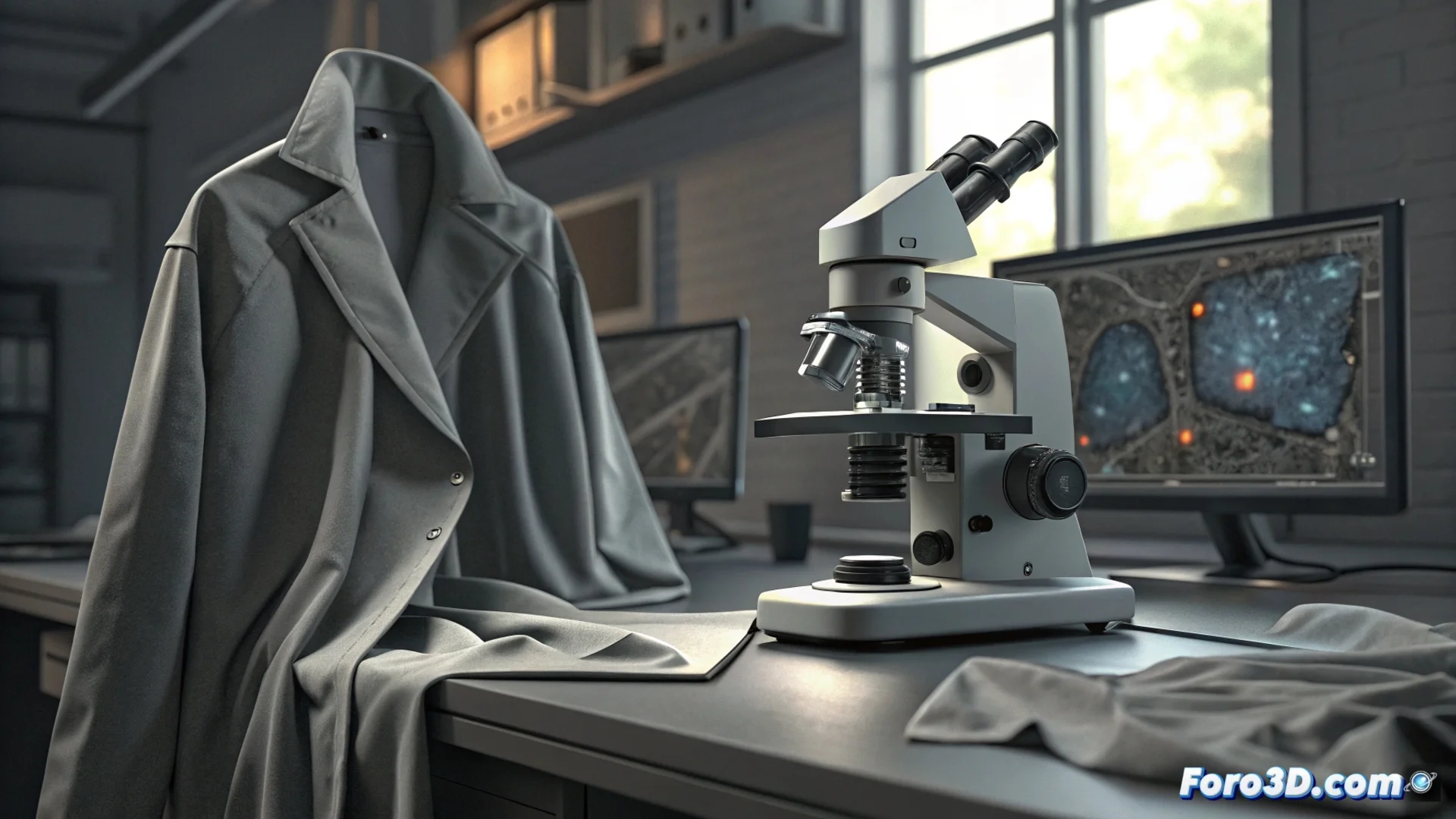
The first step requires equipment like the Keyence VR series 3D microscope. This device scans in high resolution the irregular edges of the found fragment and the tear in the suspect's garment. It does not take simple photographs, but generates exact digital models of the three-dimensional surface of each piece. The goal is clear: treat these broken surfaces as unique pieces of a 3D puzzle to see if they fit.
Key Scanning Features:- Generates dense point clouds that define the complex geometry of broken fibers.
- Accurately records micrometric roughness and the specific pattern of each break.
- Creates a digital file that serves as an objective basis for subsequent analysis.
Sometimes, the most compelling evidence is not a fingerprint, but two frayed edges saying yes, we were joined.
Comparing and Measuring with PolyWorks Inspector
The obtained 3D models are imported into PolyWorks Inspector, software specialized in metrology and surface analysis. Here, a technical profile digitally overlays the two scans, aligning their point clouds in virtual space. The system does not rely on simple observation; it calculates and measures the congruence between the shapes.
Analysis Functions in PolyWorks:- Measures deviations between the two surfaces with extreme precision.
- Generates intuitive color maps that visually show where the pieces match (green/blue) and where they do not (red/yellow).
- Provides a quantitative report that supports or rules out physical correspondence in a scientific manner.
Communicating Findings with Blender
Once the match is confirmed, it is vital to present the evidence in an understandable way. This is where Blender comes in. The already aligned models are brought into this environment to create clear, high-quality rendered visualizations. Blender does not perform metrological analysis, but it is a powerful tool for communicating complex results. The fitting of the pieces can be animated, the tear simulated, or striking static images produced for an expert report or court presentation. The forensic cycle closes when technical certainty is transformed into persuasive visual evidence. ⚖️