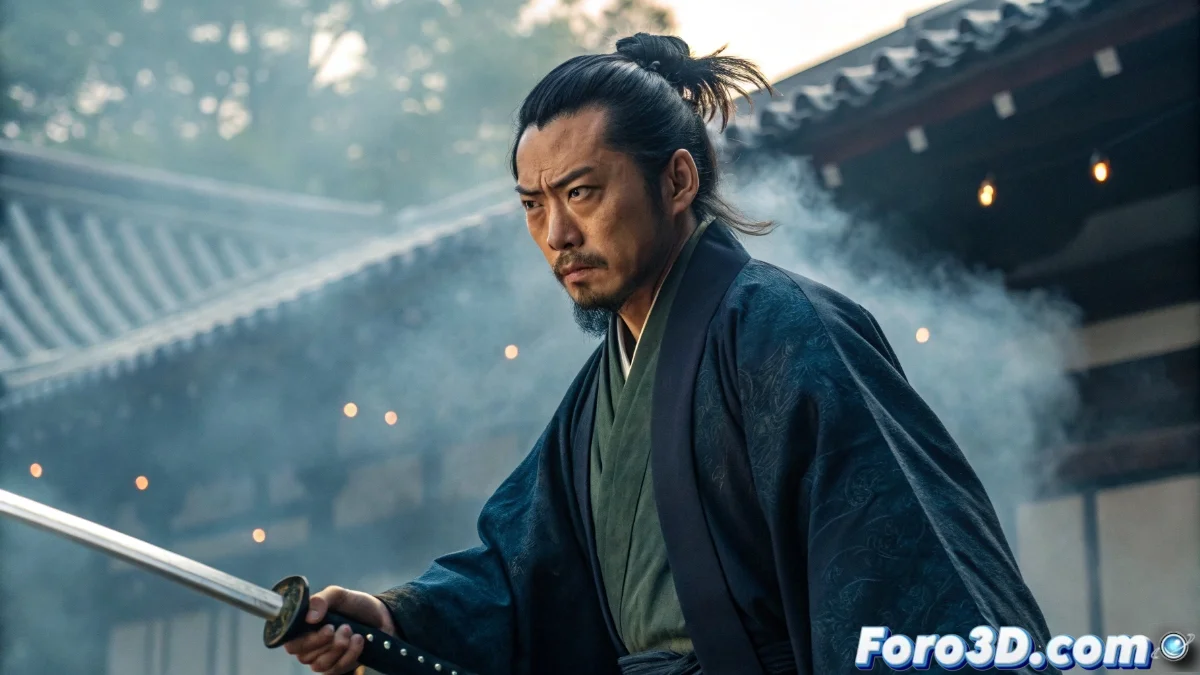
Tatsuya Nakadai: the chameleon of Japanese cinema
In Japanese cinematography, few performers have demonstrated the artistic adaptability and emotional depth of Tatsuya Nakadai. His repertoire spans from relentless assassins in Sword of Doom to idealists tormented by morality in The Human Condition, including figures consumed by retaliation in Harakiri. Nakadai does not merely act; he transfigures into each role, blurring the boundaries between the character and his essence, establishing a paradigm of commitment that few have emulated 🎭.
A journey through human emotions
What defines Nakadai is his skill in traversing the full emotional range without resorting to stereotypes or exaggerations. In Sword of Doom, he embodies ethical desolation, while in The Human Condition he captures the internal battle of an individual to preserve his dignity in oppressive environments. This interpretive polarity not only evidences his technical mastery but also his intimate understanding of the human psyche, allowing him to resonate with audiences from diverse cultural and temporal contexts 🌍.
Examples of his emotional versatility:- The existential void of the ruthless warrior in Sword of Doom, where his immutable face conveys more than any dialogue
- The moral struggle of the idealist Kaji in The Human Condition, showing the gradual erosion of hope
- The vengeful obsession of Tsugumo in Harakiri, combining dignity and contained fury
The greatness of an actor lies in his ability to disappear into the character, and Nakadai is the epitome of this absolute transformation.
Internal metamorphosis as art
Beyond his physical expressiveness, Nakadai masters the psychological evolution of his roles. Each of his creations possesses an autonomous identity, with distinctive motivations and organic narrative development. His repeated collaborations with visionaries like Masaki Kobayashi and Akira Kurosawa allowed him to explore universal archetypes with exceptional depth, forging performances that are essential study material for understanding classic Japanese cinema 📚.
Key collaborations with directors:- Masaki Kobayashi: exploration of the human condition in Harakiri and The Human Condition
- Akira Kurosawa: antagonistic and complex roles in Yojimbo and Ran
- Hideo Gosha: samurai characters with internal conflicts in Goyokin
The legacy of a consummate transformist
If any actor deserves the title of human chameleon, it is undoubtedly Nakadai. His talent is such that he could imbue even inert elements with dramatic depth, revealing nuances where others would see uniformity. His career not only enriched Japanese cinema but also raised the standard of what it means to commit to a character, leaving a legacy that inspires new generations of actors 🏆.