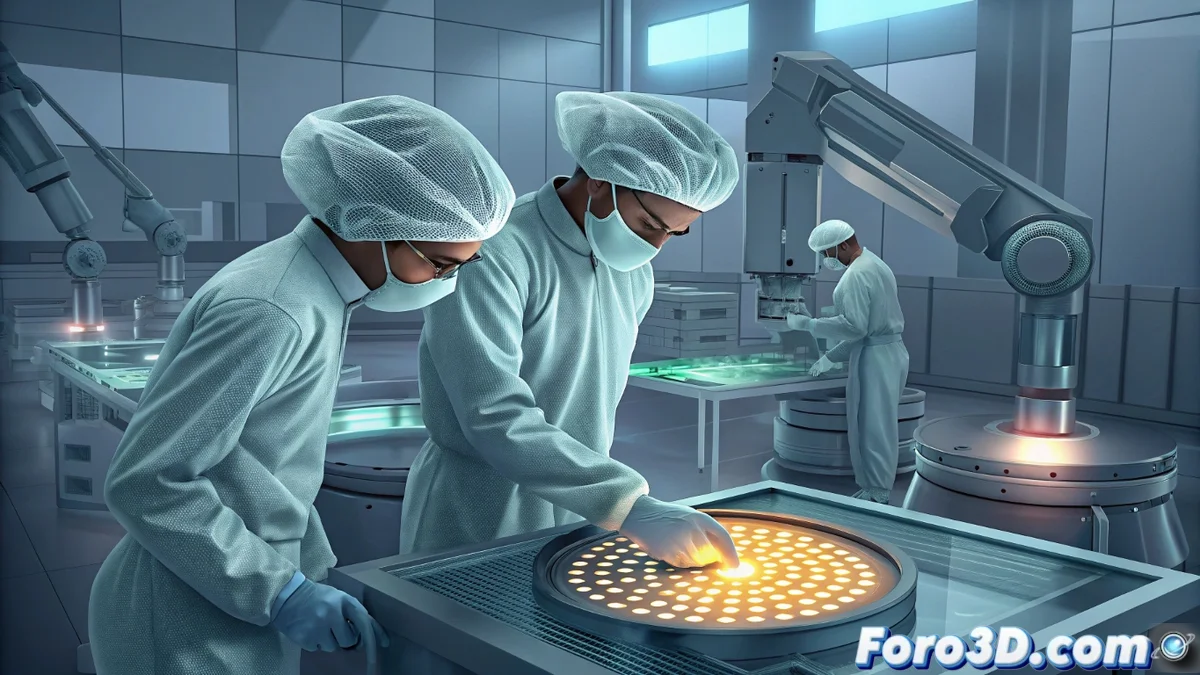
Tata Electronics to Produce Chips for Intel in India
A strategic agreement redefines roles in the global semiconductor industry. Tata Electronics is preparing to produce chips that the US giant Intel will integrate into its products, a move that strengthens India's manufacturing ambitions and diversifies supply chains. 🚀
A Game-Changing Pact
This agreement establishes that the Indian firm will operate as a foundry supplier for Intel. The US company will act as the main customer for the future production plants that Tata builds in its country. This step is significant for India to achieve a more relevant role in the global supply of critical electronic components.
Key Points of the Agreement:- Tata Electronics will manufacture the integrated circuits that Intel can use or sell under its brand.
- It reverses the usual dynamic, where Western companies typically produce for Asian ones.
- It reflects the emerging capability of the Indian technology sector to operate at the forefront.
While some anticipated that Intel would train Tata, it is Tata who will build the factories and Intel who will request their wafers.
India's Strategic Push in Semiconductors
This move aligns with the incentives offered by the Indian government to attract investment in chip manufacturing. The goal is clear: reduce dependence on imports and ensure a stable supply of these essential components. For Intel, collaborating with a partner in India means diversifying its supply chain beyond traditional hubs like Taiwan, mitigating geopolitical and capacity risks.
Benefits and Objectives of the Collaboration:- For India: Develop a domestic semiconductor industry that is competitive and job-generating.
- For Intel: Access a new production source and strengthen its operational resilience.
- For the global market: Add a new manufacturing node that can help balance supply.
A New Chapter in Global Manufacturing
The agreement between Tata and Intel is not just a supply contract; it is a symptom of a structural shift. It demonstrates how geopolitical strategies and national incentives can quickly redraw the map of technology manufacturing. This step brings India closer to its goal of becoming a significant chipmaker, while offering Intel a path to secure its future in an uncertain landscape. 🔧