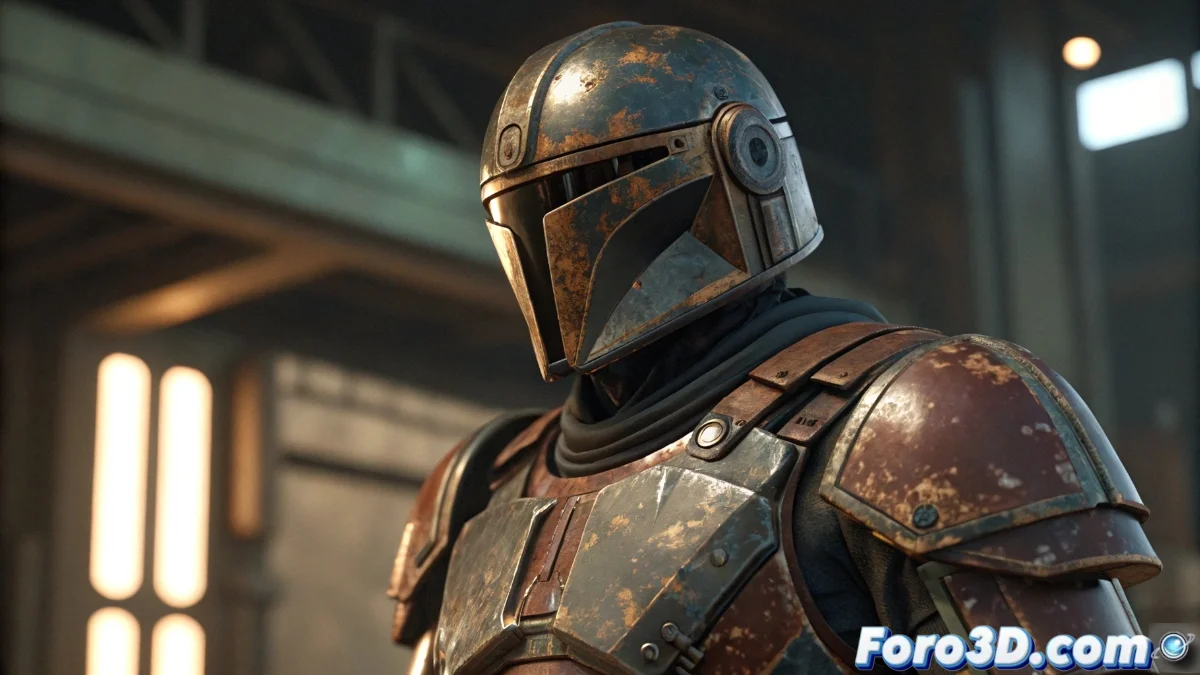
Material Layer System in Unreal Engine 5: Advanced Material Fusion
The revolutionary Material Layer system introduced in Unreal Engine 5 represents a paradigm shift in the creation of virtual surfaces, allowing artists to blend multiple materials into a single coherent visual entity 🎨. This technology eliminates the traditional limitations of manual texturing, providing unprecedented control over every aspect of the final appearance.
Essential Setup of the Layer System
To implement this system, developers must start by creating a base container material within the UE5 material editor. Each additional layer is incorporated using specialized nodes that define specific attributes such as reflectivity, micro-relief, or light absorption properties. Hierarchical organization is essential for an efficient workflow.
Key Configuration Elements:- Base material as the main container for all layers
- Specialized nodes for specific visual properties
- Masking system for spatial application control
"Material Layer completely transforms the surface creation pipeline, allowing rapid iterations without compromising final visual quality" - UE5 Development Expert
Practical Benefits in Production
Implementing this system generates significant optimizations in resource usage, drastically reducing the number of textures needed and improving performance in complex scenes. The smart reuse of layers across different materials accelerates production times while maintaining aesthetic coherence.
Highlighted Applications:- Procedural terrain generation in open worlds
- Creation of surface variations on characters
- Memory optimization in large-scale projects
Integration with Advanced Technologies
When combined with Nanite, the Material Layer system ensures that micro-surface details remain defined even in close-ups, enhancing immersion without affecting performance. Artists must avoid the temptation to overload compositions, as excessive complexity can make material maintenance and adjustment difficult 🔧.