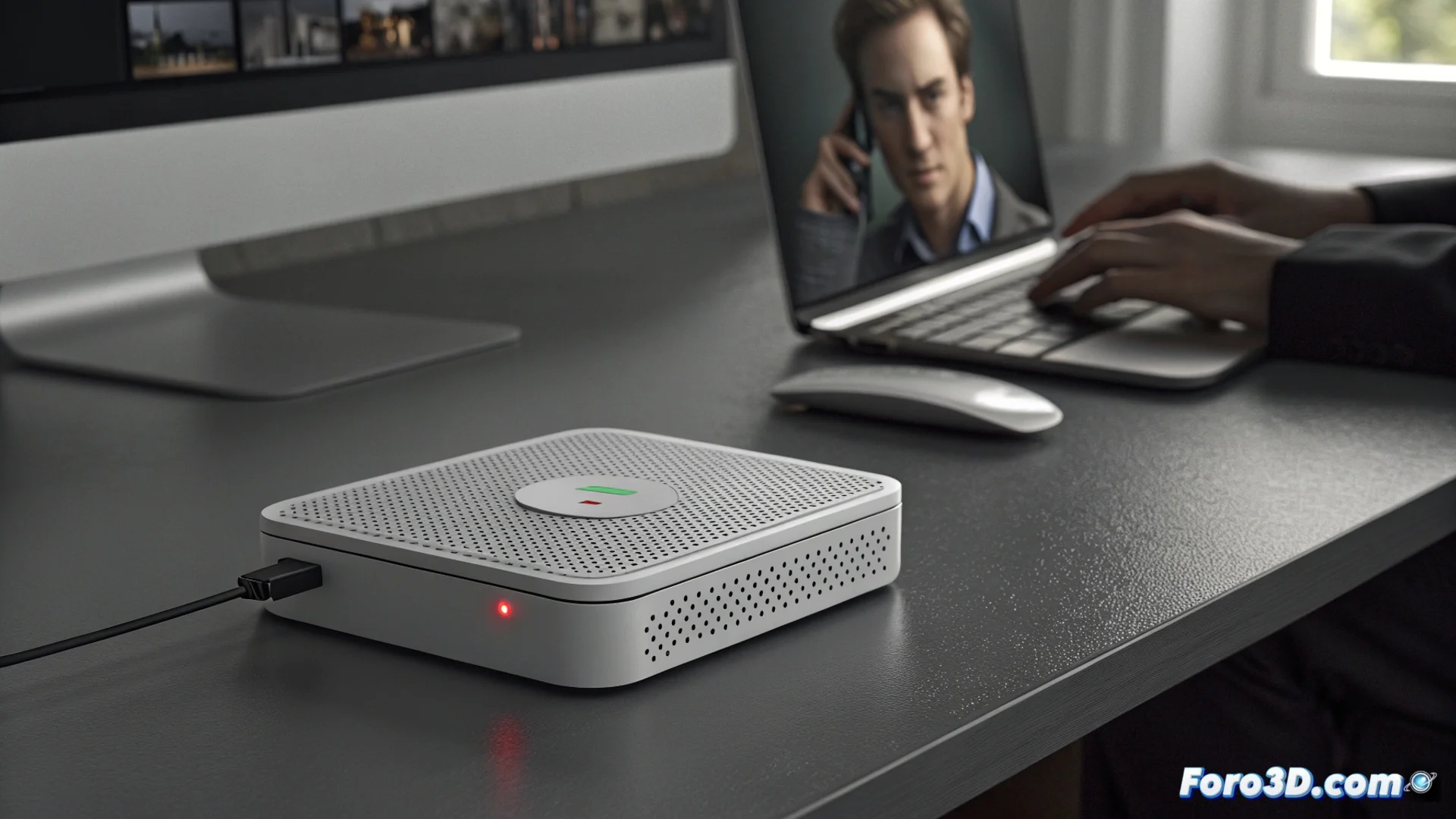
Switchbot presents MindClip, an AI audio recorder at CES
The company Switchbot has unveiled its new device, MindClip, during the Consumer Electronics Show. This gadget specializes in capturing sound and using artificial intelligence to analyze what it records, transforming the audio into structured information without the user having to do it manually. 🎤
How does MindClip work?
Once activated, the device operates independently. It can capture audio for extended periods and then automatically uploads the files to a cloud server. In this environment, AI algorithms handle transcribing speech, detecting main topics, and extracting the fragments it deems most significant. The user then accesses this data through a mobile app to review and manage what the system has already processed.
Key features of operation:- Autonomous and extended recording without constant intervention.
- Automatic audio upload to the cloud for AI processing.
- The AI transcribes, identifies topics, and extracts the relevant parts.
- Access and final management of information through an app.
A gadget that listens to your conversations to later tell you what you talked about... ideal for anyone who wants to feel like they live in a tech comedy of errors.
The inevitable privacy debate
The proposal of a device that is always active and sends conversations to the cloud raises important questions. Switchbot claims that MindClip includes a light indicator that warns when it is recording and that user consent is required to operate. However, the core idea of a device that constantly records and analyzes dialogues remains a controversial topic regarding the limits of this technology in daily life. 🔒
Aspects that generate discussion:- Nature of constant and possibly inadvertent recording.
- Sending and storage of personal audio data on external servers.
- The consent mechanisms and real control the user has.
A new frontier for personal assistants
MindClip represents a further step in the evolution of AI assistants, moving from responding to commands to proactively analyzing the sound environment. Its ability to organize auditory information and generate summaries points to a future where devices not only listen, but also understand and synthesize what happens around us. The challenge will be to balance this utility with the protection of individual privacy, a debate that this device undoubtedly fuels.