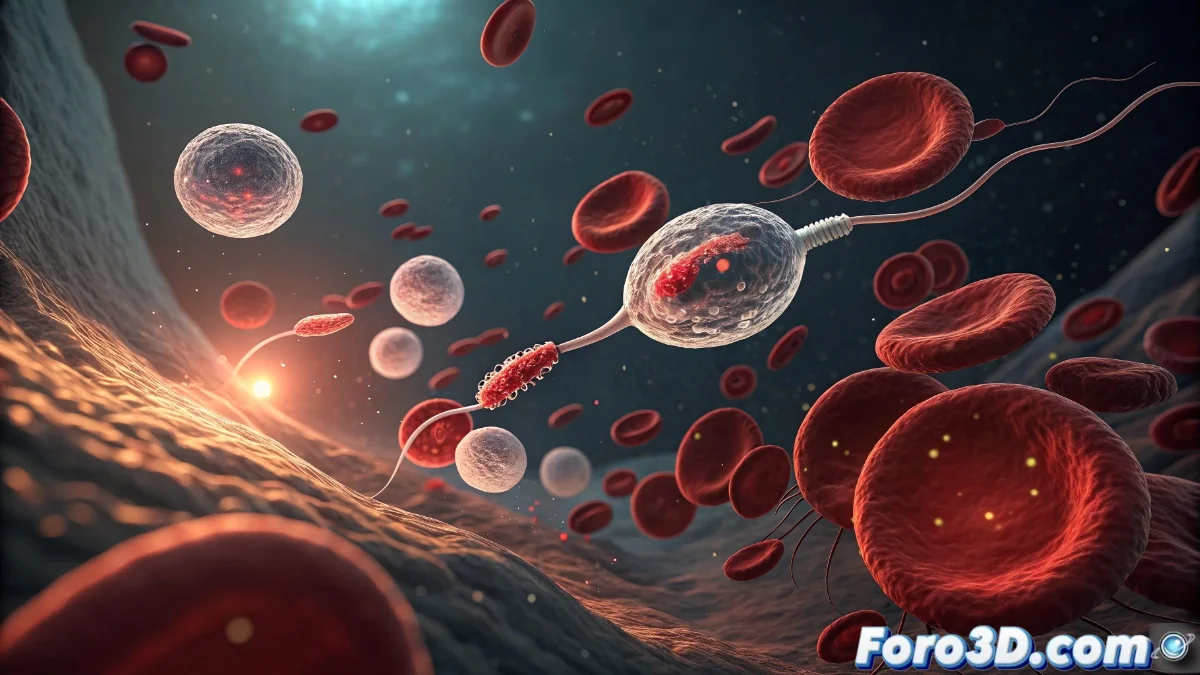
Swimming Microrobots: The Revolution in Drug Delivery
Precision medicine is taking a quantum leap with the development of swimming microrobots capable of transporting drugs through the human circulatory system. These microscopic devices represent a disruptive technology that promises to radically transform conventional medical treatments 🚀.
Locomotion and Intelligent Guidance Systems
These self-propelled nanodevices use movement mechanisms inspired by microbial nature, including synthetic flagella and external magnetic propulsion systems. Their navigation is carried out using advanced medical imaging that allows monitoring and directing their trajectory toward specific targets such as malignant tumors or infection foci.
Main Propulsion Methods:- Magnetic propulsion controlled by external fields
- Bubble systems driven by ultrasound
- Biomimetic artificial flagellar mechanisms
The ability to direct therapies specifically to diseased cells represents the future of personalized medicine - Dr. Elena Martínez, Institute of Nanomedicine
Advanced Materials and Programmed Release
Made with smart biomaterials that are fully biodegradable, these microrobots incorporate integrated chemical sensors that detect changes in the tissue microenvironment. Upon reaching their destination, they activate controlled release mechanisms based on specific stimuli such as pH variations, temperature, or the presence of particular enzymes.
Features of Release Systems:- Activation by changes in local biochemical parameters
- Precise dosing according to therapeutic needs
- Total biocompatibility with human tissues
Clinical Impact and Future Prospects
This revolutionary technology not only maximizes the therapeutic efficacy of drugs but also drastically reduces the systemic side effects associated with conventional treatments. The ongoing development of these systems promises applications in oncology, autoimmune diseases, and regenerative therapies, marking a turning point in the history of modern medicine 💊.