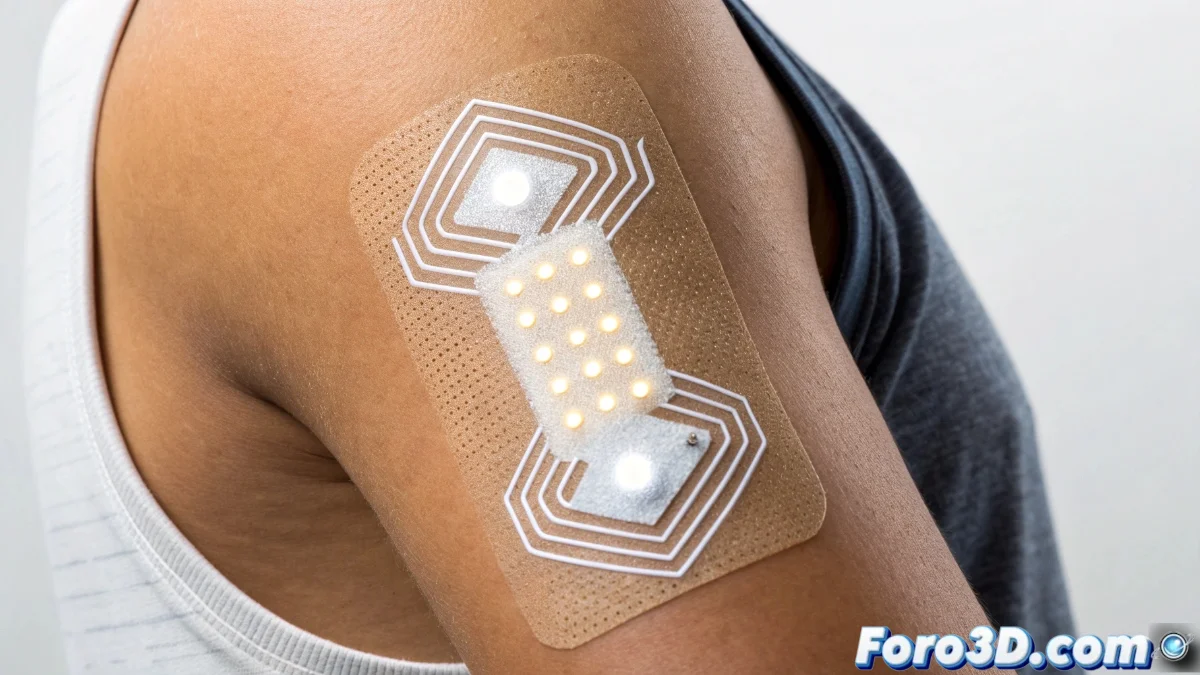
Sweat Stickers: The Revolution in Non-Invasive Health Monitoring
Innovation in biomedical technology is radically transforming health tracking methods with the development of smart adhesive patches that analyze components of body sweat. These devices represent a significant advancement toward predictive and personalized medicine, enabling continuous diagnosis without invasive procedures or disruptions to daily life 🩺
Technical Operation and Innovative Applications
The operating mechanism of these biosensor stickers incorporates capillary microchannels and electrode arrays that capture cutaneous fluid to analyze multiple physiological biomarkers. The technology enables the measurement of electrolytes, metabolites, and other health indicators, transmitting the data via wireless connectivity to digital platforms for processing and interpretation.
Highlighted Practical Applications:- Sports and Physical Performance: professional athletes monitor hydration and muscle fatigue during intensive training
- Preventive Medicine: early detection of metabolic alterations related to diabetes or kidney dysfunction
- Personalized Wellness: continuous tracking of stress levels and electrolyte balance in real time
Integration with wearables and health apps is creating complete monitoring ecosystems that empower users with actionable information about their physical condition
Comparative Advantages and Technological Challenges
The non-invasive nature of these devices constitutes their main advantage, eliminating the need for repeated blood draws and reducing costs associated with conventional diagnostics. The ability to provide real-time data facilitates immediate interventions in response to changes in monitored health parameters.
Challenges in Development and Implementation:- Measurement accuracy under various environmental conditions and skin types
- Exhaustive clinical validation to ensure reliability in diverse populations
- Durability of the adhesive material and prolonged sensor calibration
Future of Cutaneous Monitoring
Researchers are expanding the capabilities of these portable diagnostic systems by incorporating new sensors for additional biomarkers. Future development aims toward integration with telemedicine platforms and artificial intelligence systems that can predict health trends, completely revolutionizing self-care and preventive medicine. These technological advances will transform our relationship with health monitoring, providing solid scientific foundations where only assumptions existed before 🚀