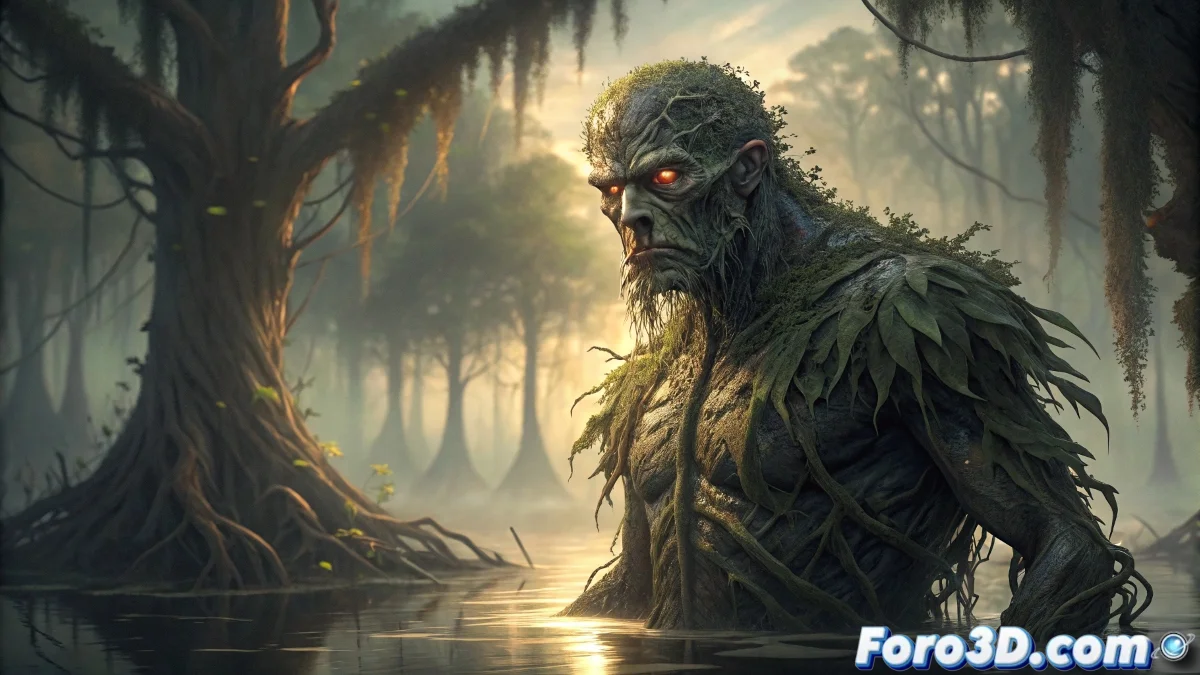
Alan Moore's Revolution in Swamp Thing: From Monster to Existential Symbol
When Alan Moore took creative control of Swamp Thing during the 1980s, he executed one of the most radical transformations in comic book history. What began as a conventional monstrous character became a narrative vehicle to examine the complexities of the human condition through philosophical and ecological lenses 🌿.
Conceptual Reinvention of Horror
Moore and artist Stephen Bissette developed a unique mythology that fused supernatural elements with contemporary environmental concerns. This approach transformed the protagonist into a symbol of duality, exploring the constant tension between humanity and nature, consciousness and instinct.
Fundamental Narrative Pillars:- Bodily metamorphosis as a metaphor for spiritual and psychological transformation
- The symbiotic connection between the character and his natural environment
- The exploration of fractured identities through physical monstrosity
The true horror does not reside in the monstrous appearance, but in the consciousness trapped within an alien form
Impact on the Creative Landscape
This creative phase established artistic precedents that transcended the comic book medium, demonstrating how conceptual horror could convey profound reflections on ecology, identity, and human existence.
Enduring Legacy:- Direct inspiration for the Vertigo Comics imprint and its mature editorial line
- Recognizable influence on contemporary psychological horror television series
- Establishment of new paradigms for ecological narratives in various media
Monstrosity as a Human Mirror
The genius of Moore lies in his ability to subvert expectations, presenting monstrosity not as something alien, but as a reflection of our own existential contradictions. Swamp Thing thus becomes a universal symbol of the struggle between our primal nature and our civilized consciousness, proving that the deepest lessons can emerge from the most unexpected places 💫.