Svalbard Polar Bears Improve Their Physical Condition Despite Losing Ice
A new analysis published in Scientific Reports presents surprising findings about polar bears in the Svalbard archipelago. Although sea ice in this Arctic area is declining at an accelerated rate, the data reveal that these animals not only maintain, but in some cases optimize their physical health. 🐻❄️
Data That Challenge Predictions
Researchers processed information from nearly 800 adult specimens captured over a period of nearly three decades, from 1992 to 2019. The key discovery is that, despite the ice-free season now lasting about three months longer, the bears' fat reserves, an essential indicator of their well-being, have increased since the year 2000. Currently, these levels match or exceed those recorded in the mid-1990s.
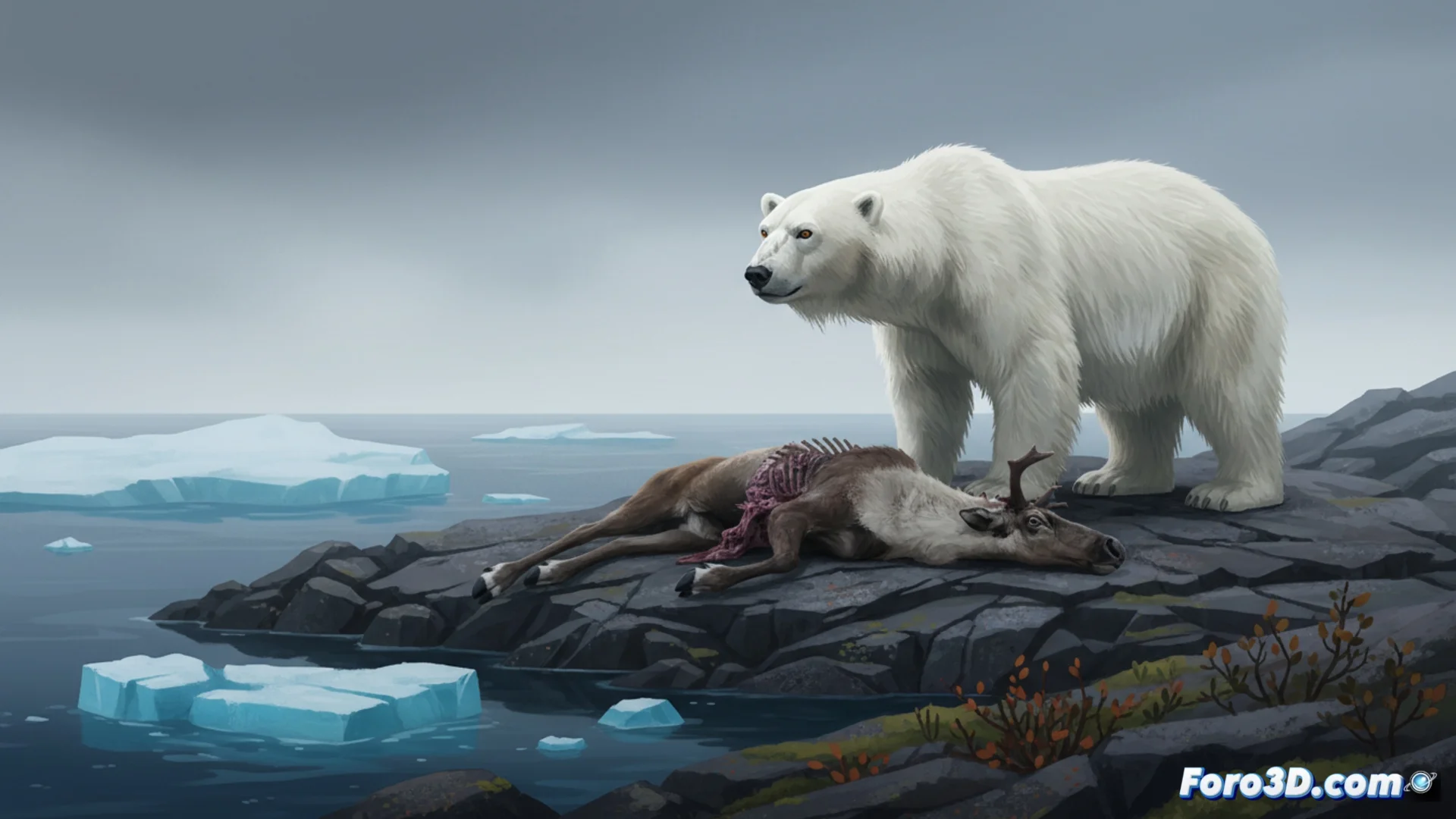
Key factors of this resilience:- The diet has become more varied, incorporating land animals like reindeer and walruses.
- Some marine resources cluster in smaller areas when the ice retreats, making it easier for bears to hunt.
- This flexibility to modify their feeding habits is crucial for maintaining their energy.
The ability to change their feeding habits partly explains how they manage to maintain their energy reserves in a rapidly changing environment.
A Warning About the Future
Although the data are positive and the population in the Barents Sea remains stable, scientists call for caution. They note that this favorable scenario could be temporary. The ongoing loss of the ice cover and persistent warming threaten to negatively affect these groups in the future if conditions become more extreme.
Potential risks to consider:- The limits of the observed adaptation in the face of accelerating climate change.
- The possibility that alternative food sources reach a saturation point.
- The long-term impact on reproduction and cub survival.
A Changing Menu in the Arctic
For now, the strategy seems to be working. The Arctic menu now combines seals with land prey, demonstrating that even the most iconic ice predator can step out of its comfort zone to survive. The study highlights the species' remarkable resilience, but also reminds us that it has a threshold against drastic environmental changes. 🌍