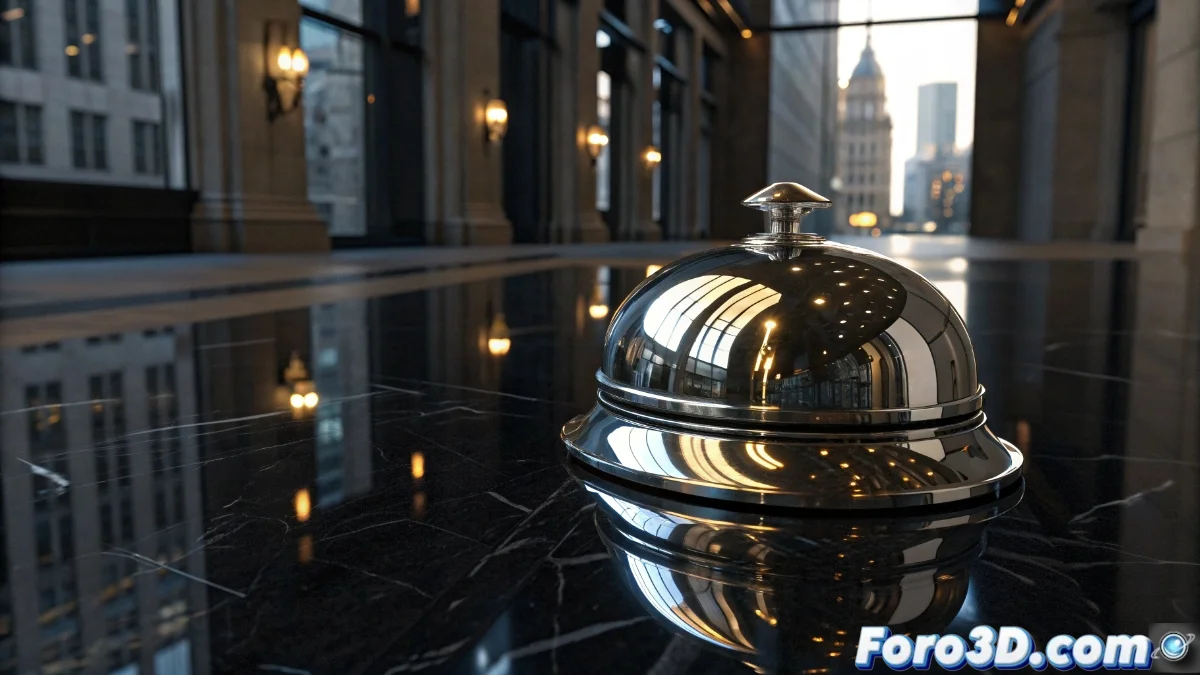
Material Study for Realistic 3D Renders
Mastering the analysis of individual materials represents the fundamental foundation for any digital artist aspiring to create photorealistic renders. This methodology involves meticulously observing how light behaves when interacting with different surfaces under various lighting conditions 🌟.
Breakdown of Surface Properties
Each material requires a meticulous examination of its unique characteristics. In the case of polished metals, we analyze how they generate sharp specular reflections, while materials like leather show light dispersion due to their micro-roughness. Translucent elements like crystal demand calculating internal reflections and degrees of refraction simultaneously.
Key characteristics to evaluate:- Specular reflectivity: Ability to generate defined reflections as in mirrors or polished metals
- Surface roughness: Degree of light dispersion that creates microscopic shadows in porous materials
- Light transmittance: Behavior of light when passing through semi-transparent materials like glass or plastics
The real challenge arises when, after hours of adjusting parameters, your perfect chrome render accidentally reflects your concentrated expression on the screen.
Advanced Lighting Setups
Strategic lighting is the element that defines the final perception of each material. We implement complex HDRI environments to simulate real global lighting conditions, studying how different angles of light incidence modify the surface appearance.
Specialized lighting techniques:- High dynamic range HDRI: For reflective materials that require detailed environments
- Soft and diffuse lighting: Ideal for highlighting subsurface textures in organic materials
- Combination of directional and area lights: To analyze how each type affects material perception
Integration of Technical Knowledge
The practical implementation of these concepts requires precise adjustments in shaders and render engine configuration. Each material property identified during the analysis must be translated into specific parameters that faithfully replicate the observed physical behavior, thus creating the perfect illusion of reality 🎨.