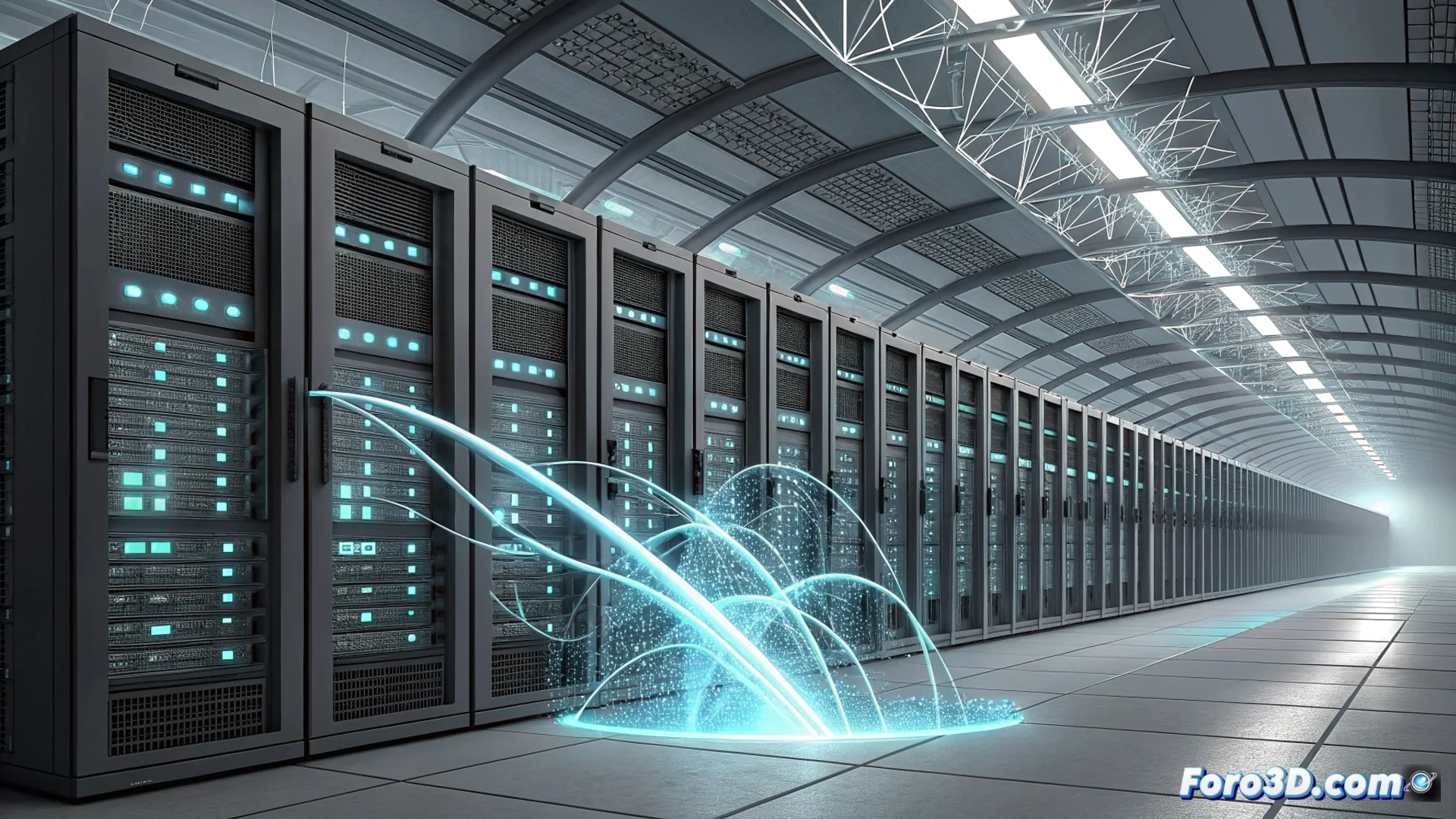
Parallel Storage Systems Power AI and HPC Clusters
It's not just a simple SSD or disk array. A parallel storage system is a comprehensive appliance-level solution, specifically designed to eliminate the main bottleneck in massive computing environments: waiting for data. Its mission is to feed thousands of GPUs constantly and efficiently, ensuring that these processors never stop working due to a lack of information. 🚀
Distributed Architecture to Scale Without Limits
The foundation of these solutions is a distributed architecture that scales horizontally. Instead of a single controller, they employ multiple nodes working together. The heart of the system is parallel file systems, such as Lustre or Spectrum Scale, which allow numerous servers and clients to access and modify data simultaneously. To connect this entire ecosystem, high-speed networks are used, with InfiniBand being the predominant choice due to its low latency and high bandwidth.
Key Components of the Architecture:- Parallel File Systems: Specialized software that manages concurrent access to data from multiple points.
- Interconnection Networks: InfiniBand or ultra-high-speed Ethernet to move data between storage and processors.
- Hybrid Storage Media: Combine NVMe for extreme performance with high-capacity hard drives, optimizing cost and speed.
While a consumer NVMe unit struggles to reach a few gigabytes per second, these systems move entire digital libraries in the same time interval.
Performance Measured in Terabytes per Second
The metric that defines these platforms is the aggregate bandwidth, capable of exceeding several terabytes per second in read and write operations. This colossal data flow is what enables training artificial intelligence models with trillions of parameters or simulating complex climate phenomena without the storage delaying the computing cluster. Companies like DDN with its EXAScaler platform or VAST Data offer appliances that integrate all the necessary software and hardware to deploy this level of performance from day one.
Main Use Cases:- Large-Scale AI Training: Feeding training data to thousands of GPUs without interruptions.
- Scientific Simulation (HPC): Handling the enormous datasets generated and consumed by fluid dynamics or genomics simulations.
- Rendering and VFX: Serving complex scenes to render farms composed of hundreds of nodes simultaneously.
The Future of Intensive Computing Depends on Storage
The evolution of artificial intelligence and high-performance computing is directly linked to the ability to move data. Parallel storage systems cease to be a peripheral component to become the backbone of the modern data center. By ensuring that graphics processing units are always busy, not only is the time to obtain results accelerated, but the investment in computing hardware is maximized. The era in which processors wait for data is definitely coming to an end. ⚡