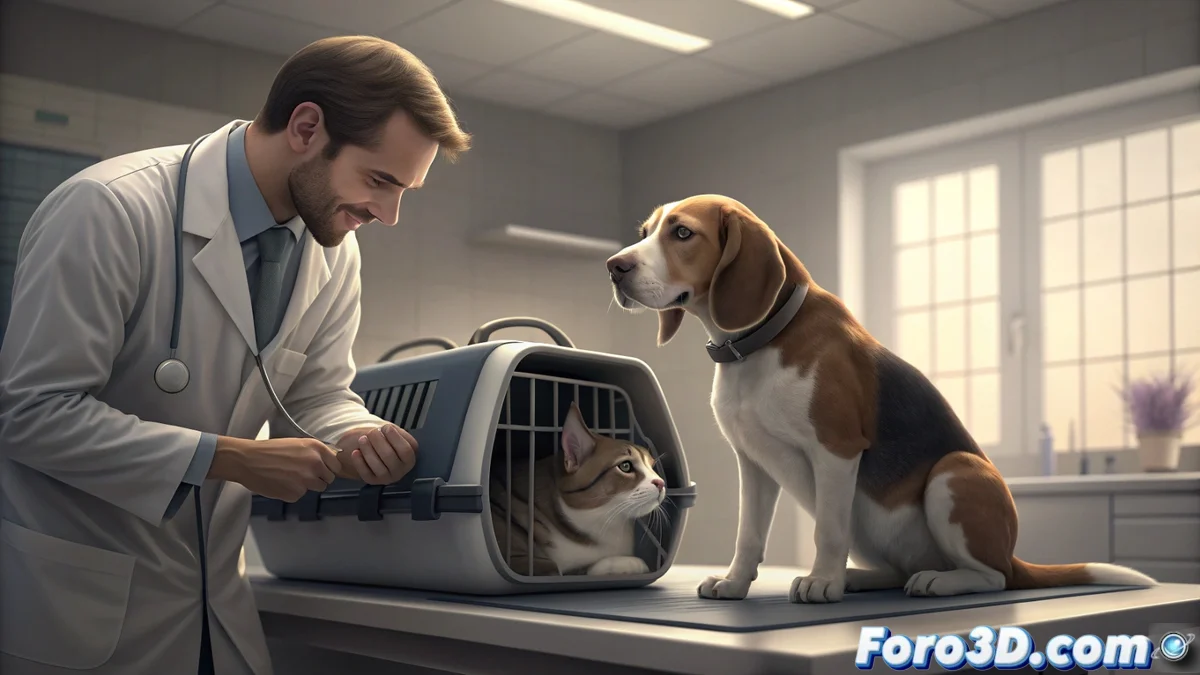
Sterilizing Your Pet Improves Their Health and Behavior
Choosing to sterilize your pet is one of the most responsible decisions you can make. This procedure, performed by a veterinarian, not only prevents unwanted litters but also directly impacts their long-term physical and mental well-being. 🐾
Protecting Your Companion's Health
From a medical standpoint, removing the reproductive organs eliminates the source of hormones that often cause serious pathologies. This constitutes a fundamental preventive measure.
Key Health Benefits:- In females, it eliminates the risk of pyometra (a deadly uterine infection) and greatly reduces the occurrence of mammary tumors if performed before the first heat.
- In males, it prevents testicular cancer and various prostate problems.
- In general, it avoids multiple complications related to the reproductive and hormonal systems.
By removing the reproductive organs, the source of hormones that can trigger long-term health problems is eliminated.
Transforming Behavior for Peaceful Coexistence
The influence of reproductive instincts on behavior is powerful. Sterilization helps moderate these impulses, resulting in a more stable and predictable animal at home.
Notable Behavioral Changes:- Males reduce or stop behaviors such as marking territory with urine in the home, attempting to escape, or showing aggression toward other males.
- Females do not go through heat cycles, eliminating bleeding, mood swings, and associated anxiety.
- Both sexes exhibit less stress and a reduced tendency to roam, lowering the risk of accidents.
An Impact Beyond Your Home
The decision to sterilize your pet has a positive social repercussion. By preventing unplanned pregnancies, you directly contribute to controlling the population of abandoned animals. This does not alter the essence of their personality; your cat will still demand dinner on time, but with their instinctive priorities reordered. Sterilization is, ultimately, a profound act of care that protects their life and improves your relationship. 🏡