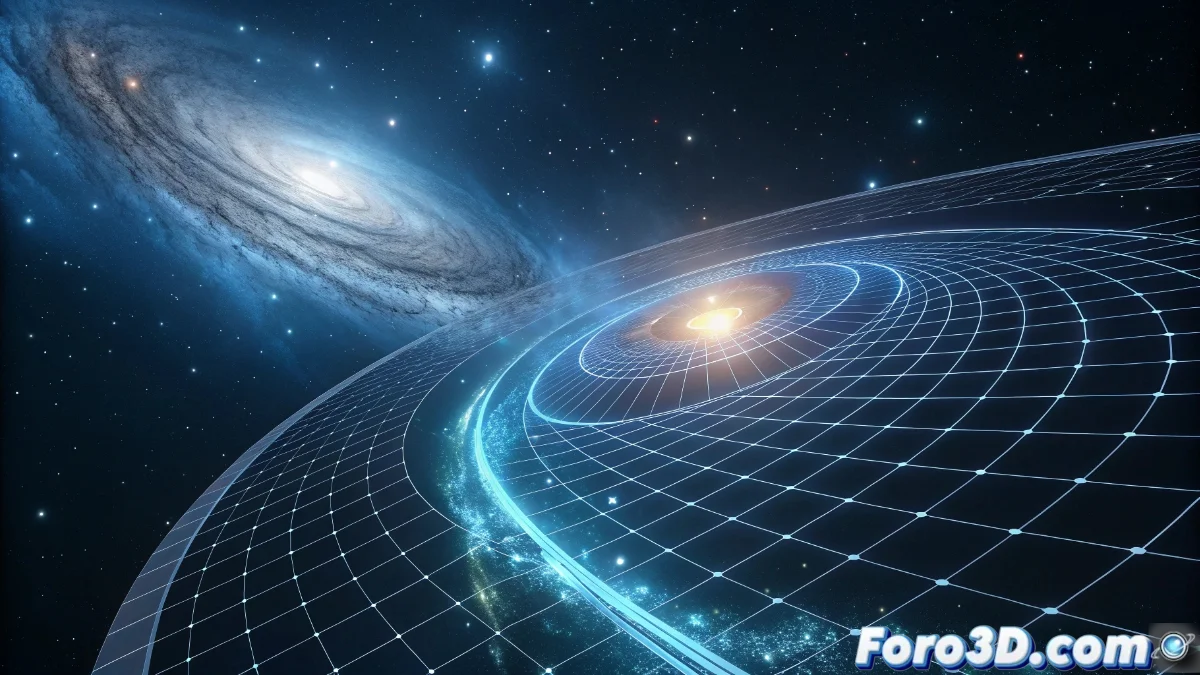
Spline Warping: Elastic Deformation for 3D Graphics
Spline warping represents an advanced geometric manipulation methodology that uses curves with dynamic elastic properties to transform three-dimensional objects and camera trajectories. These flexible structures allow controlled stretching, compression, and bending operations, transmitting their modifications to associated elements in a proportional and natural manner 🎯.
Technical Foundations of Spline Deformation
Spline warping systems function as virtual structures with shape memory that can be distorted while maintaining continuity in their transitions. Digital artists leverage these features to overcome the limitations of conventional linear transformations, especially in projects requiring smooth movements and physically believable behaviors.
Main Features of Elastic Splines:- Stretching and compression capability with return to original state
- Gradual transmission of deformations to linked geometries
- Precise control via stiffness and damping parameters
The true magic of spline warping lies in how it transforms simple manipulations into complex and organic behaviors, drastically reducing the need for manual frame-by-frame animation.
Implementation in Digital Production Environments
Major 3D creation suites like Blender, Maya, and Cinema 4D integrate spline deformation systems through specialized modifiers and geometric linking tools. Users can connect vertices, edges, or entire faces to specific points on the base curve, setting custom stiffness and elastic behavior values 🛠️.
Typical Workflow:- Selection of target geometry and deforming spline
- Configuration of influence and damping parameters
- Interactive manipulation of the curve with real-time response
Creative Applications in Visual Industries
In the cinematic realm, spline warping enables the creation of impossible camera trajectories that dynamically adapt to obstacles or modify their shape to follow specific actions. Video game developers implement this technology for real-time cinematics and environmental effects like waving fabrics or creatures with flexible anatomies. The ability to animate using intelligent elastic curves minimizes manual keyframing work while generating notably more natural and believable results 🎮.
Practical Considerations and Technical Challenges
The main challenge of spline warping arises when poorly configured elastic properties generate unpredictable behaviors, such as accidentally launching models into virtual space or excessive deformations. These scenarios remind artists that simulated physics has its own sense of humor, requiring careful calibration and deep understanding of control parameters to avoid catastrophic results 😅.