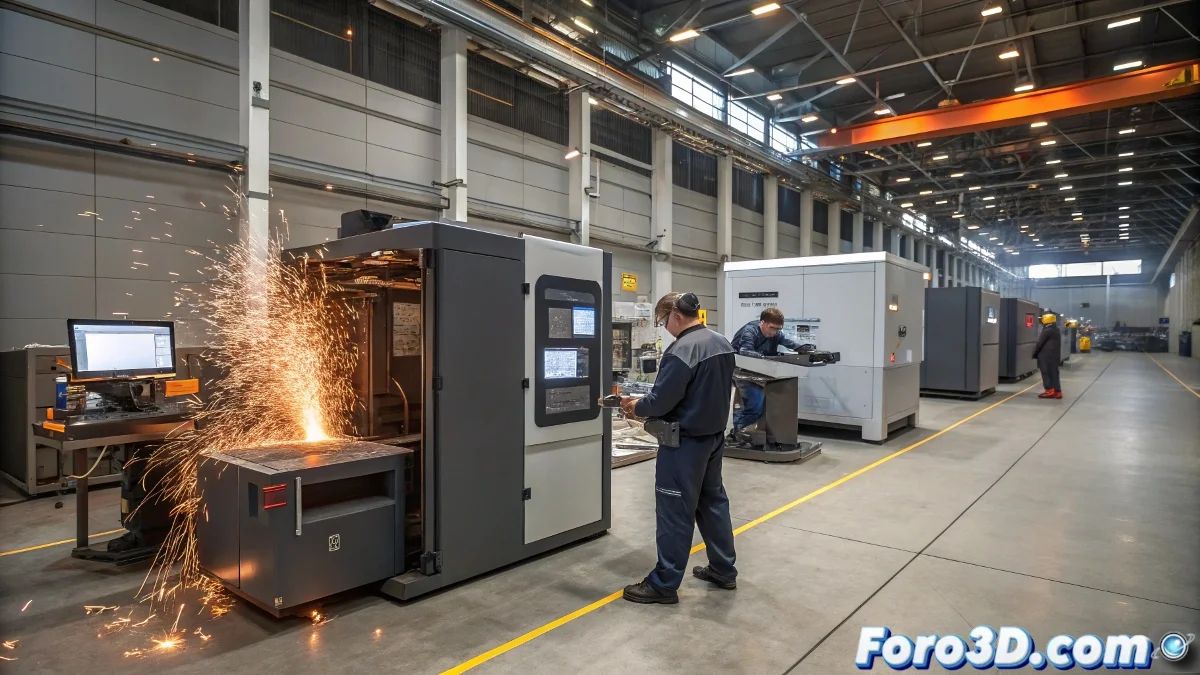
From Junk to Rockets: When Recycling Reaches New Heights
In a world where even the remnants of your toaster could end up in space 🚀, the Rubble to Rockets project is revolutionizing space manufacturing. With a six-million-dollar budget, this DARPA-funded program proves that junk is not trash, but luxury raw material for the space age. Who would have thought that pile of old metals in your garage could be the future of interplanetary exploration.
The Magic of Turning Trash into Rockets
The process is so ingenious it almost seems like modern alchemy:
- AI analyzer that plays detective with heterogeneous metals
- 3D printing that turns metal powder into space parts
- Simulation software that prevents mishaps (and explosions)
As they say at Worcester Polytech: "It's not magic, it's science... though sometimes the difference is minimal."
The Tech Dream Team
For this feat of recycled engineering, an arsenal of tools worthy of Tony Stark is employed:
- Siemens NX and Fusion 360 for design
- Blender with engineering superpowers
- Industrial printers that melt metal like chocolate
- Ansys to ensure everything works (and doesn't explode)
All this to prove that with enough technology, even an old soda can can have a glorious future. 🛠️
Fire Test: A Rocket Made from Recycled Materials
The project will culminate with the launch of an experimental rocket that will test:
- Material resistance under extreme conditions
- Reliability of on-site manufactured components
- The engineers' patience during testing
Companies like Nightshade Corporation are collaborating, proving that even the darkest names can shine in the space race.
The Future of Interplanetary Manufacturing
This project not only benefits Earth, but paves the way for:
- Self-repairing lunar bases
- Mars missions with built-in recycling workshops
- A new space economy based on junk
As Aaron Birt aptly notes, we are witnessing a historic convergence of robotics, AI, and materials science. Although some are still waiting for their home 3D printer to stop jamming on Pokémon figures.
And if you think this is revolutionary, wait until they figure out how to recycle old tweets into rocket fuel. 🚀