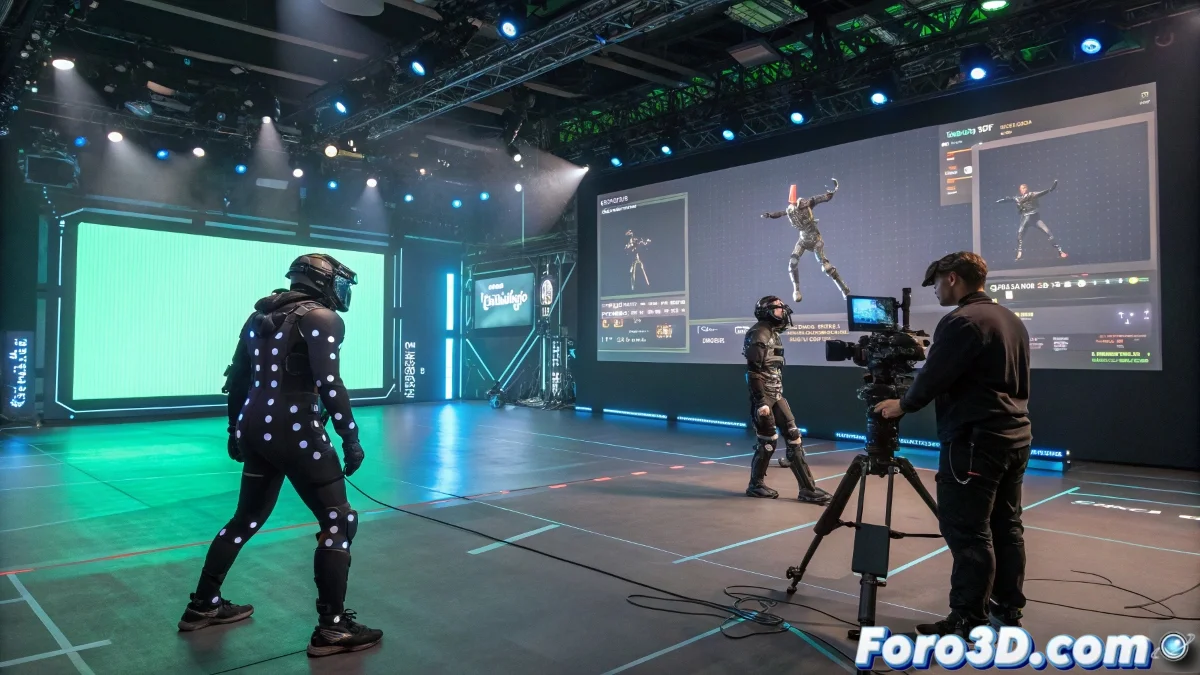
The Art of Stealing Human Movements for Your 3D Creations
In the world of 3D animation, there are two types of people: those who spend weeks hand-animating every movement, and the smart ones who borrow movements from real people 🕺. This is what professionals elegantly call motion capture, and it can save you from turning your character into a robot with Parkinson's.
Digital Black Markets for Motion Captures
Fortunately, there are legitimate (and legal) sources to get these movements:
- Mixamo: The supermarket of ready-to-use animations
- Carnegie Mellon: Where academics share their motion experiments
- Rokoko: For those who want professional-quality movements
Using motion capture is like cooking with pre-cooked food: no one needs to know if the result is good.
The Motion Washing Process
Before using those stolen... let's say, borrowed data, follow these steps:
- Verify that the format is compatible (FBX or BVH)
- Clean the data as if they were fingerprints
- Adjust the movement to your character, unless you want it to walk like John Wayne
The irony of motion capture is that you spend hours looking for the perfect movement, only to realize that your character executes it like a drunk at an office party 🥴. But don't fear, with a bit of editing and a lot of coffee, you can turn it into a Hollywood-worthy animation.
Remember: in the 3D world, copying is wrong... unless it's from reality, in which case it's called artistic research. Happy capturing! 🎭