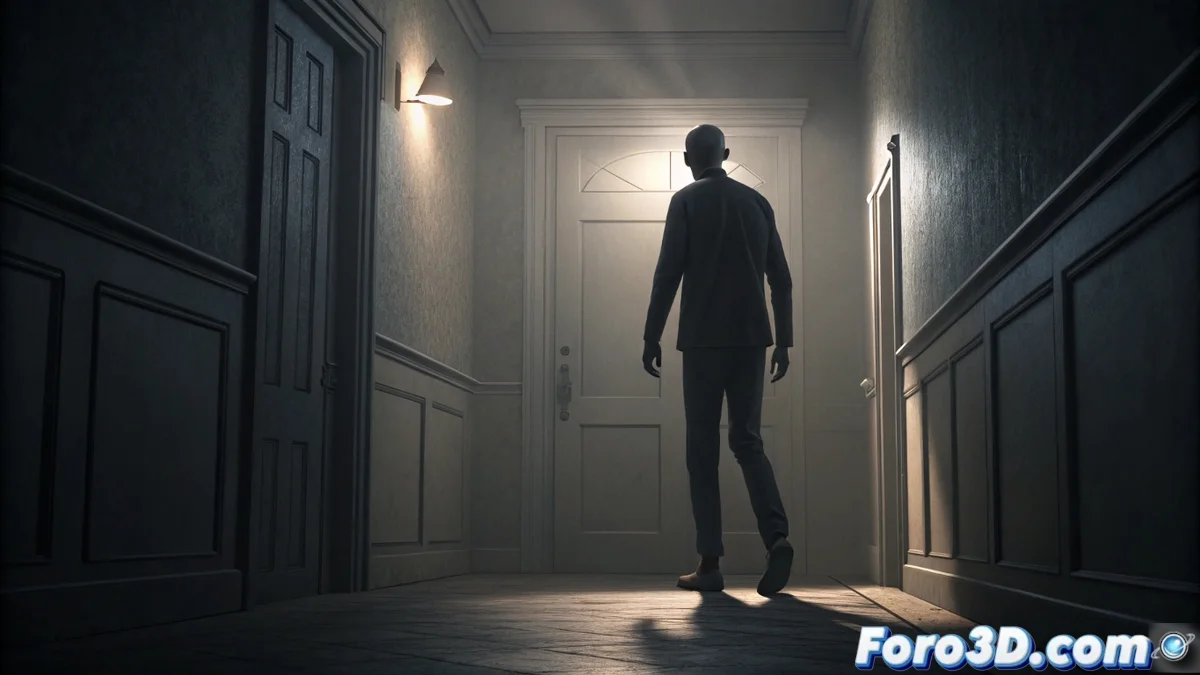
Sound Horror in 2D Illustration: Creating Fear with the Invisible
In the realm of 2D illustration and animation, there exists a powerful narrative strategy that subverts the primacy of the visual: sound horror through visual absence. This technique relies on using auditory elements—such as whispers, creaks, or thuds—to build an atmosphere of intense suspense, while the image shows something apparently innocuous. The disconnection between what is heard and what is seen activates the viewer's imagination in a unique and terrifying way. 🎧
Mechanics to Master the Auditory Technique
The effective implementation of this idea requires millimetric synchronization between the audio and the frames. The illustrator or animator must compose visual scenes that deliberately contrast with the threatening soundtrack. For example, showing a quiet kitchen while hearing dragging footsteps from upstairs. This forced contrast is the engine that drives the audience to complete the story with their own fears, building a personalized horror narrative that leads to a more impactful emotional climax than any revealed monster.
Key Elements for Implementation:- Precise Sound Design: Use recognizable diegetic sounds (doors, footsteps, breaths) but placed off-screen to generate unease.
- Misleading Visual Composition: Focus the image on everyday objects or empty spaces, redirecting attention to the invisible source of the sound.
- Rhythm and Synchronization: Control the timing of sound effects to coincide with subtle changes in the animation, such as the movement of a curtain or the flicker of a light.
The true essence of terror is not in the monster you show, but in the one the audience forces itself to imagine. Sound is the best director for that mental movie.
Creative and Narrative Advantages
Integrating this sensory disconnection is not just a scare trick; it is a deep exploration of the limitations of the 2D medium. By forcing a more active cognitive interaction, creators transform static illustrations or simple animations into immersive experiences that maintain tension throughout the entire sequence. This approach enhances narrative impact and fosters a more intimate and lasting emotional connection with the audience.
Key Benefits for the Creator:- Amplification of Creative Budget: Achieves greater horrific impact without the need for complex creature designs or explicit violence scenes.
- Participatory Narrative: The viewer becomes a co-creator of the story, using their imagination to fill in the gaps, making the experience more memorable.
- Exploration of Limits: Allows experimentation with audiovisual language, challenging the convention that all information is in the visual.
The Psychology of the Invisible Enemy
In a deeply ironic twist, this technique resonates with our most primitive fears, similar to those in a nightmare where the threat has no form. It's as if the viewer's mind, guided only by a pair of headphones, assumes the role of director and editor, assembling their own internal horror blockbuster. Sound horror through visual absence demonstrates that, sometimes, the most powerful tool for a 2D artist is not their graphics tablet, but a well-placed audio file and the vast, dark, and fertile landscape of the human imagination. 😨