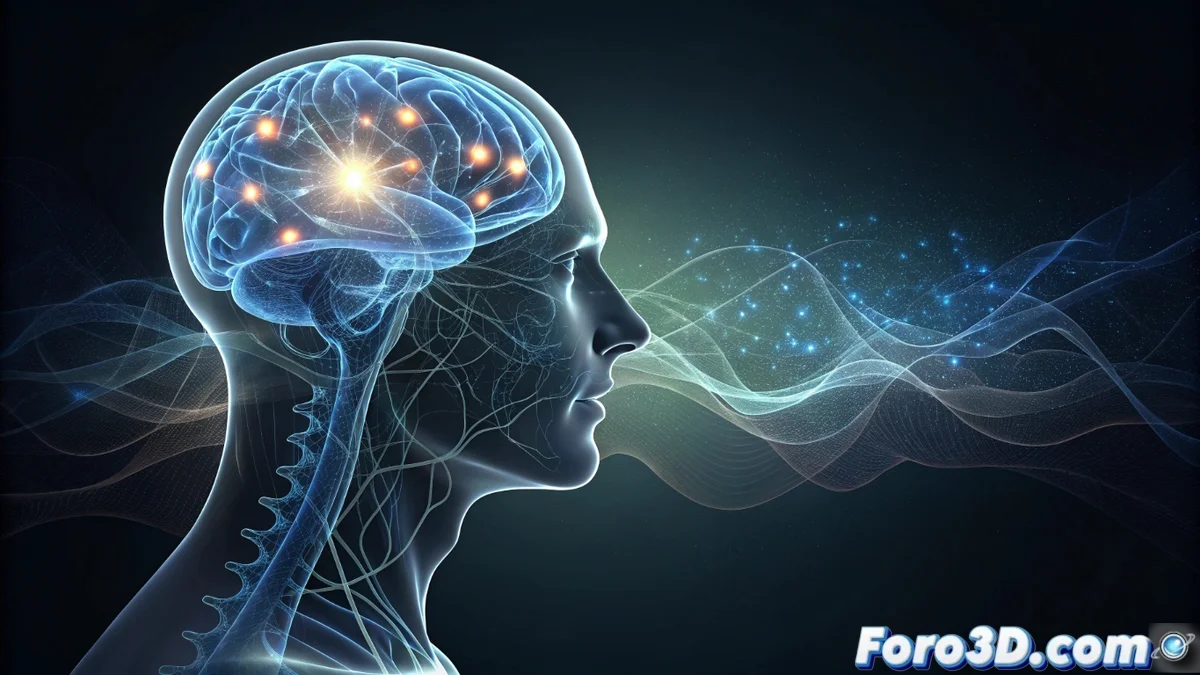
Sonogenetics: controlling neurons with ultrasound
Sonogenetics represents a radical advance in how we interact with biological systems. This methodology allows precise manipulation of specific genes within living cells using only ultrasound waves. Its main focus is on directing neurons, offering a unique window to explore the brain without invasive procedures 🧠.
The mechanism based on ion channels
The core of this technique is modified channel proteins that sense the mechanical pressure of sound waves. Researchers take channels like MscL from bacteria and genetically alter them to increase their sensitivity and specificity. When low-intensity ultrasounds reach these proteins, the channels open. This event allows ions to flow into the cell, a process that can initiate or suppress neuronal activity in a localized manner in deep tissues.
Key features of the process:- Spatial precision: Specific cellular groups can be targeted without affecting surrounding tissue.
- Non-invasiveness: Eliminates the need to insert surgical implants or optical fibers.
- Remote control: Activation is managed externally through applied ultrasound.
The ability to activate specific neuronal circuits with an external physical stimulus redefines the limits of brain research.
Applications in neuroscience and therapy
This tool opens unexplored paths for understanding how the brain works. Scientists can now analyze how neuronal networks linked to movement behave, form memories, or process sensory information in living organisms. Looking to the future, its therapeutic potential is significant for conditions like Parkinson's disease or epilepsy, where modulating erratic brain activity is crucial.
Advantages over traditional methods:- Reduces risks: Minimizes the danger of infections and tissue damage by avoiding incisions.
- Facilitates long-term treatments: Enables chronic and repeated interventions more safely.
- Causal exploration: Allows establishing direct cause-and-effect relationships in complex brain circuits.
Future perspective
Sonogenetics positions non-invasive brain modulation on a tangible horizon. While concepts like "updating" the brain with a sound patch still belong to the speculative realm, current progress lays solid foundations for revolutionizing the diagnosis and treatment of neurological disorders. The evolution of this technique will depend on refining the specificity of ion channels and gene delivery, maintaining its safety profile 🎯.