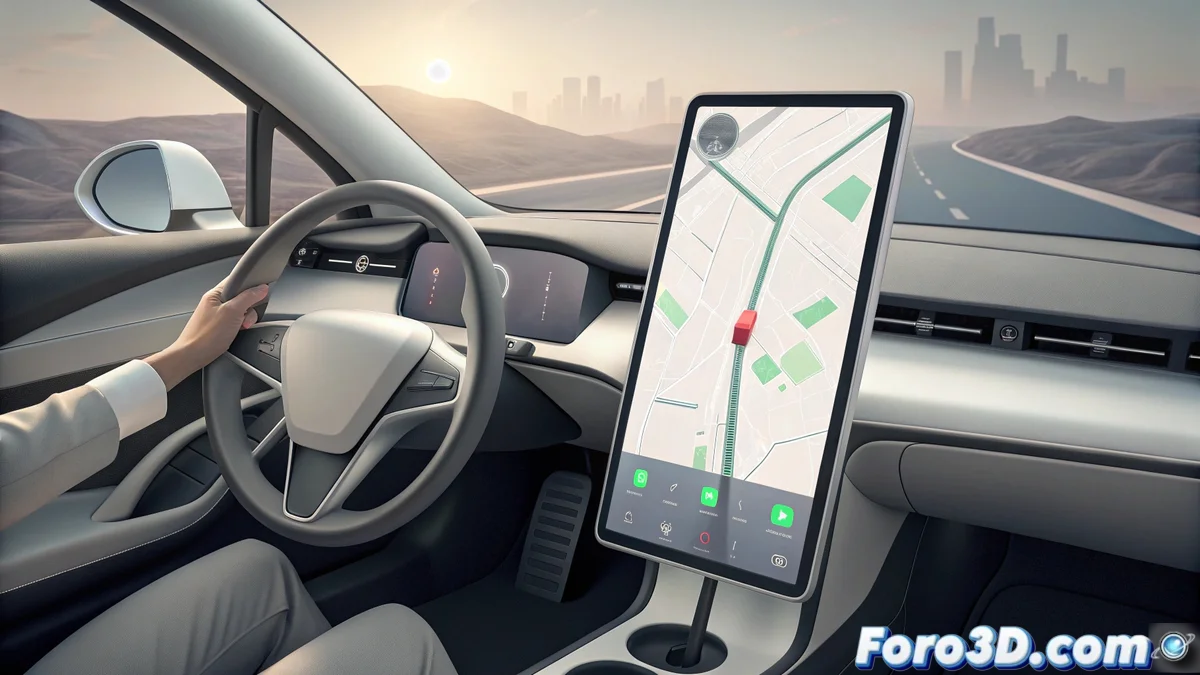
Some Manufacturers Test On-Screen Ads Based on Route or Battery
The automotive industry is advancing toward deeper integration of digital technology into the driving experience. A recent development explores displaying advertising directly on the vehicle's multimedia screen. This content is not random; it is activated intelligently based on variables such as the route or battery status. What might seem like an advance in connectivity quickly shifts the conversation to the safety and ethics behind this data. 🚗💻
How Does the Contextual Advertising System Work?
The mechanism is based on connecting and processing information from multiple sources within the car. GPS location sensors, the navigation system, and battery data are combined in real time. An algorithm analyzes this flow to select and display ads that it deems relevant to the driver's immediate context.
The system can trigger ads based on:- Location and route: Suggests establishments like restaurants or gas stations near your path.
- Battery charge level: If it detects low range, it can promote available electric charging stations.
- Driving habits: Although more complex, it could use patterns to refine suggestions.
The idea is not just to show an ad, but to integrate advertising as another contextual service within the vehicle's ecosystem.
The Real Debate: Privacy and Safety on the Road
This innovation shifts the focus from the technical to critical questions about protecting personal information. Users question what specific data their car collects, how long it is stored, and who can access it. Additionally, there is tangible concern about whether these ads can distract the driver and increase the risk of an accident.
Critical points that generate distrust:- Lack of transparency: Many manufacturers do not clearly detail the scope of data collection.
- Ethical management of information: Trust that the brand will handle this data responsibly is essential for user acceptance of the feature.
- Potential for rejection: Without clarity and driver control, consumers are likely to disable or reject these features.
A New Paradigm for Vehicle Interaction
This scenario redefines what we expect from our car. The vision of a vehicle as a means of transport that only requires fuel or electricity expands. Now, the dashboard could also suggest buying a coffee or reserving a table at the next exit. The success of these features will depend entirely on how manufacturers balance commercial innovation with absolute respect for privacy and road safety. The road ahead is full of ethical and technical curves to negotiate. ⚖️🛡️