Some Brains Resist Alzheimer's Without Showing Symptoms
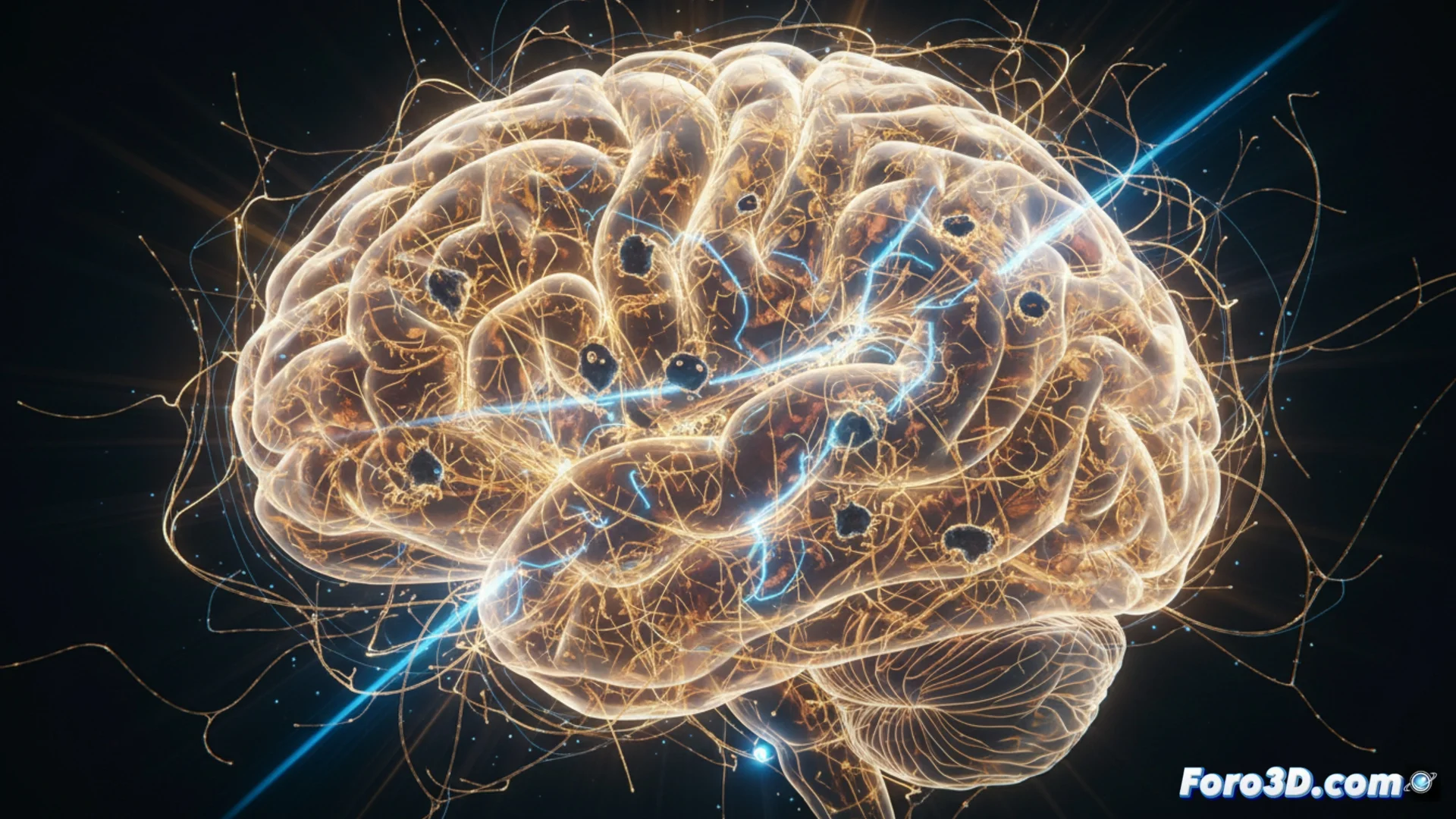
Science has discovered an intriguing phenomenon: individuals whose brains harbor the physical markers of Alzheimer's, such as beta-amyloid plaques and tau protein tangles, do not experience the mental decline associated with the disease. This disconnects the visible pathology from the loss of function, indicating that the presence of these elements does not automatically determine deterioration. 🧠
The Mystery of Neuronal Resilience
Researchers are now focused on deciphering why these brains can tolerate the damage and maintain their operability. The key seems to lie in brain resilience, an intrinsic capacity to compensate for aggressions. Some factors that explain it include a denser and more complex neuronal network, which offers alternative pathways when an area fails.
Identified Defense Mechanisms:- Robust Neuronal Networks: A higher density of synapses creates a backup system that compensates for the functions of damaged areas.
- Protective Genetics: Certain genetic profiles appear to shield cognition against the effects of plaques and tangles.
- Effective Immune Response: An active bodily defense system can limit the spread of damage in brain tissue.
It's as if the brain has plans B, C, and D ready to activate when plan A—avoiding pathology—fails spectacularly.
Forging a Mental Shield Through Daily Life
This resilience is not only innate; it can be cultivated. What is called cognitive reserve is built through experiences and habits throughout life. Activities that challenge the mind and body strengthen brain connections, creating a buffer that cushions the impact of pathological changes.
Habits That Build Cognitive Reserve:- Staying Mentally Active: Learning, reading, and continuously solving problems.
- Prolonged and Stimulating Education.
- A Rich and Stimulating Social Life.
- Regular Physical Exercise, which promotes vascular and neuronal health.
Implications for the Future
Understanding these resistance mechanisms opens new avenues for addressing Alzheimer's. Instead of only trying to eliminate plaques, science could focus on enhancing the brain's compensatory capacity. Promoting a lifestyle that strengthens cognitive reserve emerges as a powerful strategy to delay or even prevent the manifestation of symptoms, despite underlying pathology. 🛡️