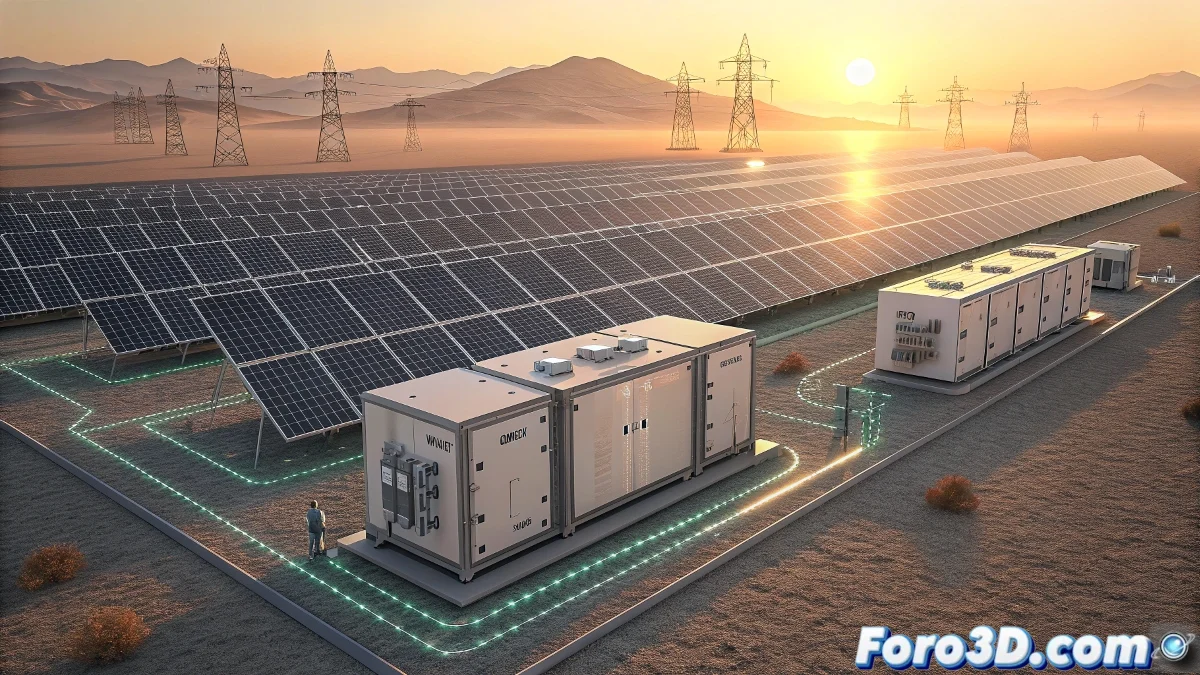
Solar Energy on Track to Become the Main Global Electricity Source Sooner Than Expected
The solar revolution is reaching critical tipping points that could position it as the dominant global electricity source significantly ahead of even the most optimistic projections. The combination of cost reductions and technological innovation is redefining the global energy landscape ☀️.
Factors Accelerating Mass Adoption
The levelized cost of solar energy has fallen by more than 85% over the last decade, making new solar projects more economical than keeping many existing fossil fuel plants operational. This decisive economic advantage combines with technological advances that continuously increase conversion efficiency.
Main drivers of accelerated growth:- Continuous reduction in photovoltaic panel manufacturing costs
- Advances in storage technologies with lower-cost batteries
- Integration with smart grids that optimize distribution and consumption
Solar is not only the cheapest energy source in many regions, but its scalability and deployment speed make it ideal for meeting the growing global electricity demand
Emerging Technologies Transforming the Sector
Next-generation solar cells, including perovskites and silicon-perovskite tandems, promise efficiencies exceeding 30%. Parallelly, advanced storage systems are solving the intermittency challenge, enabling 24/7 continuous supply 🔋.
Key technological innovations:- Bifacial panels that capture reflected light on the rear surface
- Solar tracking systems that optimize the angle of incidence
- Flow batteries and thermal storage for large-scale applications
Impact on the Global Energy Transition
This solar acceleration has profound implications for the decarbonization of economies and the fight against climate change. The ability to rapidly deploy low-cost renewable capacity could significantly advance global climate goals, transforming industries and creating new economic models 🌍.