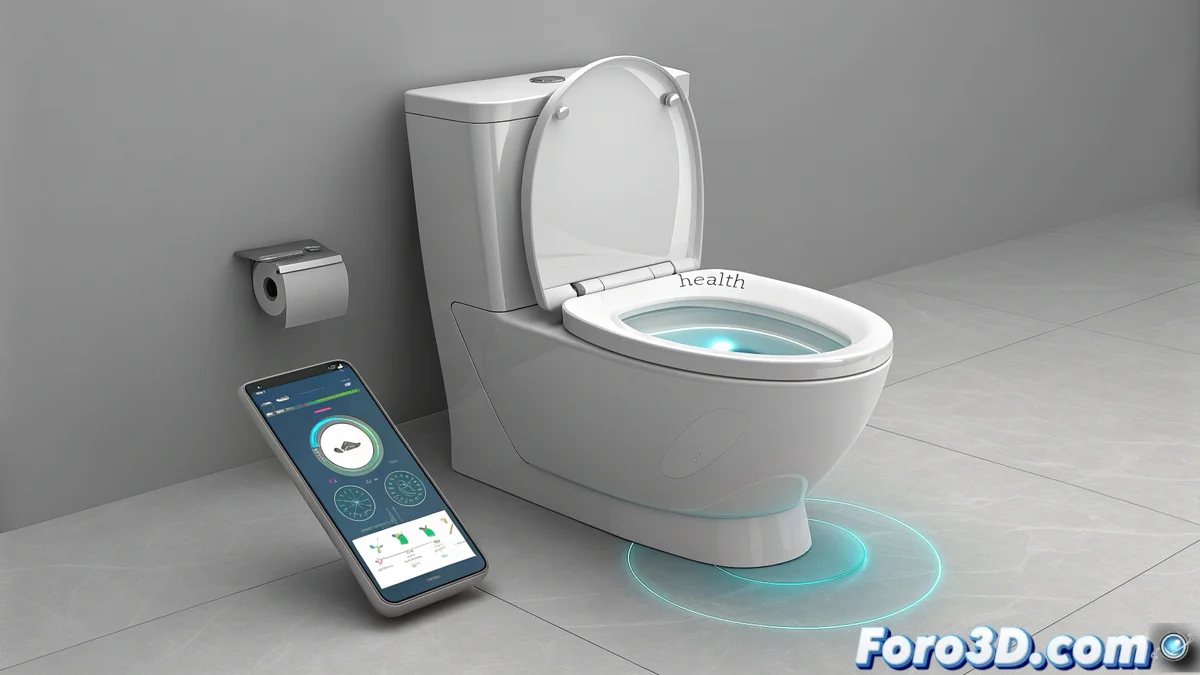
Smart Toilets Analyze Waste to Monitor Health
Medical technology integrates into the home with toilets equipped with sensors. These devices examine bodily waste instantly to identify markers that reveal the organism's state. The information they obtain can signal variations indicating possible imbalances. The data is securely transmitted to a mobile app for the person and their doctor to consult. 🚽
How the Sensors Operate Inside the Toilet
The toilets use optical spectroscopy and single-use reactive strips to evaluate the chemical composition. A group of cameras and flow sensors takes images and calculates parameters such as color or texture. A specialized algorithm processes this data and compares it with established reference patterns. The system only sends an alert when it detects a significant divergence from the individual's normal values, preventing superfluous notifications.
Key System Components:- Optical Spectroscopy: Analyzes the chemical signature of the waste without direct contact.
- Disposable Reactive Strips: Provide specific biochemical analysis for each use.
- Cameras and Flow Sensors: Capture the physical appearance and measure volume to contextualize the sample.
The idea that the toilet can send an urgent message to the doctor after analyzing breakfast adds new meaning to the phrase 'call of nature'.
Benefits and Privacy Considerations
This automatic and constant monitoring can help manage long-term conditions such as diabetes or kidney ailments. It provides an objective record that complements office visits. However, questions arise about who can see the data and how it is protected. Developers must ensure strong encryption and that the user clearly directs access to their medical information.
Points to Consider:- Chronic Disease Management: Allows daily tracking without effort from the patient.
- Objective History: Creates an unbiased data record, useful for diagnosis.
- Data Security: Robust encryption and explicit user control are essential.
The Future of Personal Care in the Bathroom
These devices represent a step toward more predictive and personalized medicine. By turning a daily act into a source of health data, they empower the user with knowledge about their body. The main challenge remains balancing clinical utility with absolute privacy protection, ensuring that technology serves well-being without compromising intimacy. 🔒