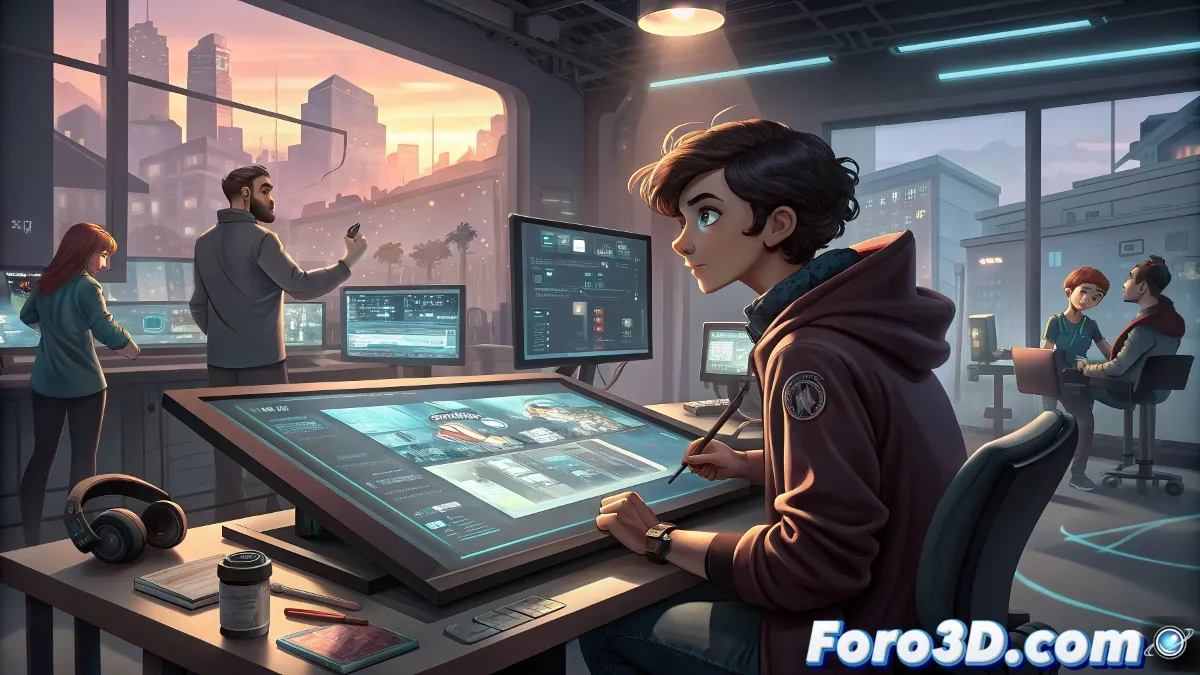
The Silent Revolution in Digital Animation
In recent years, artificial intelligence has begun to redefine the parameters of animated creation. What previously required large teams working months on complex sequences can now be achieved more efficiently thanks to algorithmic tools. This transformation does not eliminate the human factor, but rather reconfigures roles within production studios.
New Tools for Old Challenges
The processes that benefit most from this technological evolution are those that traditionally consumed the most resources. AI enables:
- Predictive facial animation: systems that anticipate movements based on databases of expressions
- Procedural scenario generation: algorithms that build complete environments from initial parameters
- Rendering optimization: intelligence that reduces processing times without losing quality
"The machine does not create by itself, but amplifies the artist's creative capacity like never before in the history of animation"
The Human Factor in the Algorithmic Era
Contrary to initial fears, the implementation of AI has generated new specializations within studios. Contemporary animators develop hybrid skills that combine:
- Artistic direction of generative systems
- Curation of algorithmic results
- Integration of traditional techniques with digital output
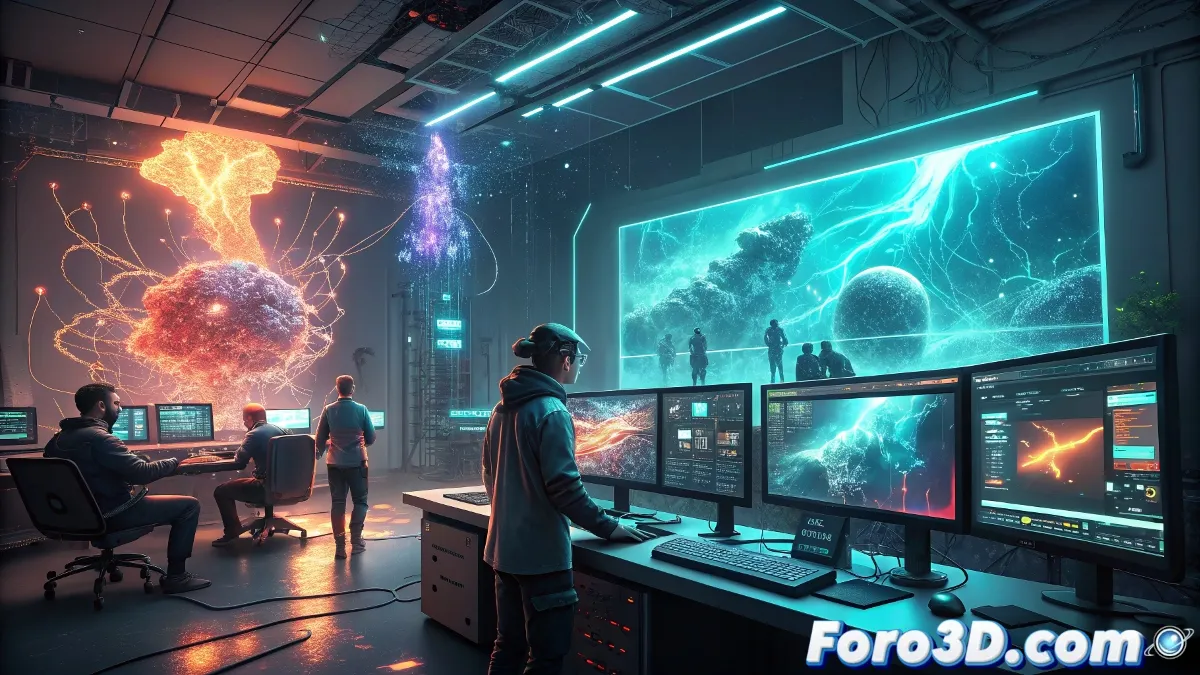
Expanded Creative Horizons
This symbiosis between human creativity and artificial intelligence is allowing the exploration of previously unthinkable aesthetics. Small studios can now embark on ambitious projects, while large producers redirect resources toward narrative innovation. The true potential of this technological revolution lies not in replacing, but in democratizing visual production tools.
The coming years will see the emergence of hybrid formats where the organic and the generative merge into new artistic expressions. Animation, far from becoming standardized, could experience its stage of greatest stylistic diversity thanks to these complementary technologies.