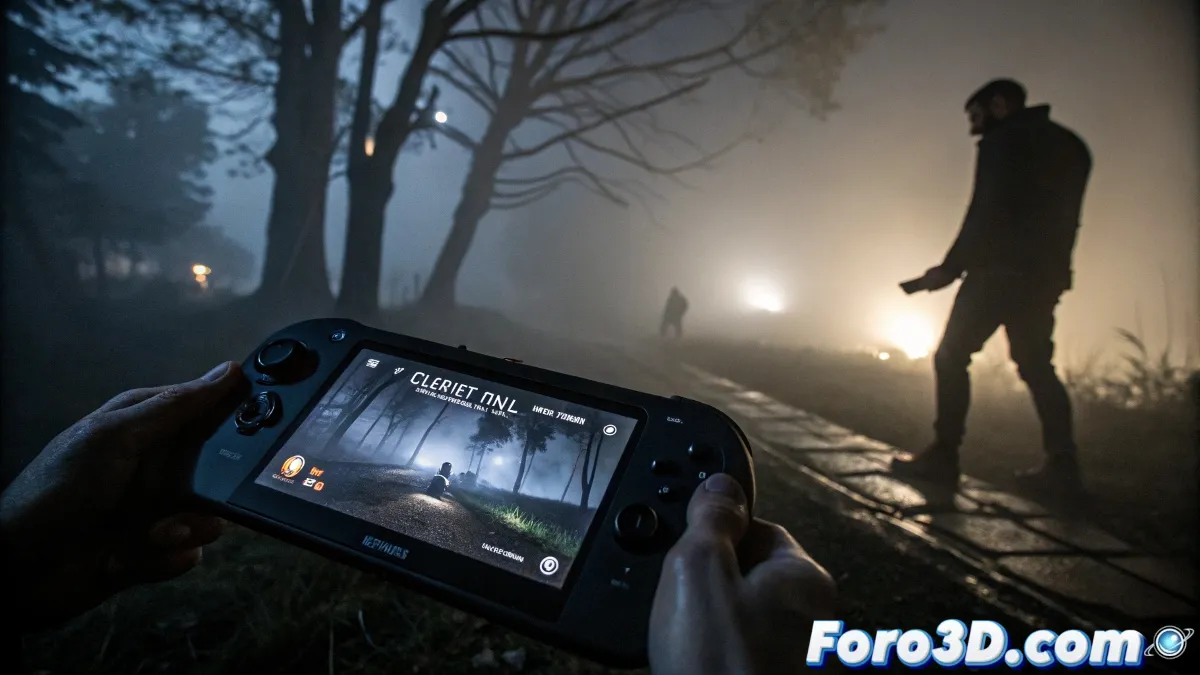
The Compatibility Challenge on Steam Deck
The arrival of Steam Deck has revolutionized portable gaming, although not all titles adapt equally to this platform. A particular case is the Silent Hill saga, where different games show very disparate levels of compatibility. This situation has generated debates in the community about the optimization criteria for Valve's portable device.
The Paradox of Silent Hill Titles
While Silent Hill 2 remains marked as incompatible months after its launch, its successor Silent Hill F appears already verified for Steam Deck even before its release. This contradiction reveals fundamental differences in the development approaches between the responsible studios:
- Bloober Team (Silent Hill 2) did not prioritize compatibility
- Neobards Entertainment (Silent Hill F) included support from the initial design
- Different development philosophies for the same franchise
The Role of Artificial Intelligence in Adaptation
Machine learning technology is transforming how games are optimized for multiple platforms. AI systems can automatically analyze code and adjust parameters to improve performance on specific devices. This explains why Silent Hill F, developed with these modern tools, achieved compatibility more easily.
Artificial intelligence is reducing the gap between platforms, enabling adaptations that previously required months of manual work.
Implications for Players
This situation presents a mixed scenario for fans of the saga. On one hand, the upcoming release promises to work perfectly on Steam Deck. On the other, the wait continues for those who want to play the remake of the 2001 classic. Potential solutions include:
- Post-launch updates
- Community patches via Proton
- Greater adoption of automated optimization tools
The Silent Hill case demonstrates how the gaming industry is evolving toward more agile processes, where artificial intelligence becomes a key ally in ensuring multi-platform compatibility from the early stages of development.