Shapelab Redefines Digital Sculpting with Voxel Technology
The latest version of this 3D modeling tool introduces an innovative approach that combines traditional techniques with new creative possibilities. Designed to work in both desktop and virtual reality environments, Shapelab positions itself as a versatile solution for digital artists seeking fluidity in their creative process.
The Voxel Revolution in Organic Modeling
The major novelty of Shapelab 2.0 lies in its experimental voxel sculpting system, which allows working with volumes instead of polygonal surfaces. This approach eliminates traditional topological limitations, offering a more intuitive experience for digital sculpting. The developers highlight its potential for conceptual stages where speed takes precedence over detail.
- Flexible conversion: bidirectional transformation between polygonal meshes and voxel objects
- Specialized brushes: specific tools for adding, removing, and smoothing volume
- Predefined shapes: library of three-dimensional stamps to accelerate the creative process
Significant Improvements in Workflow
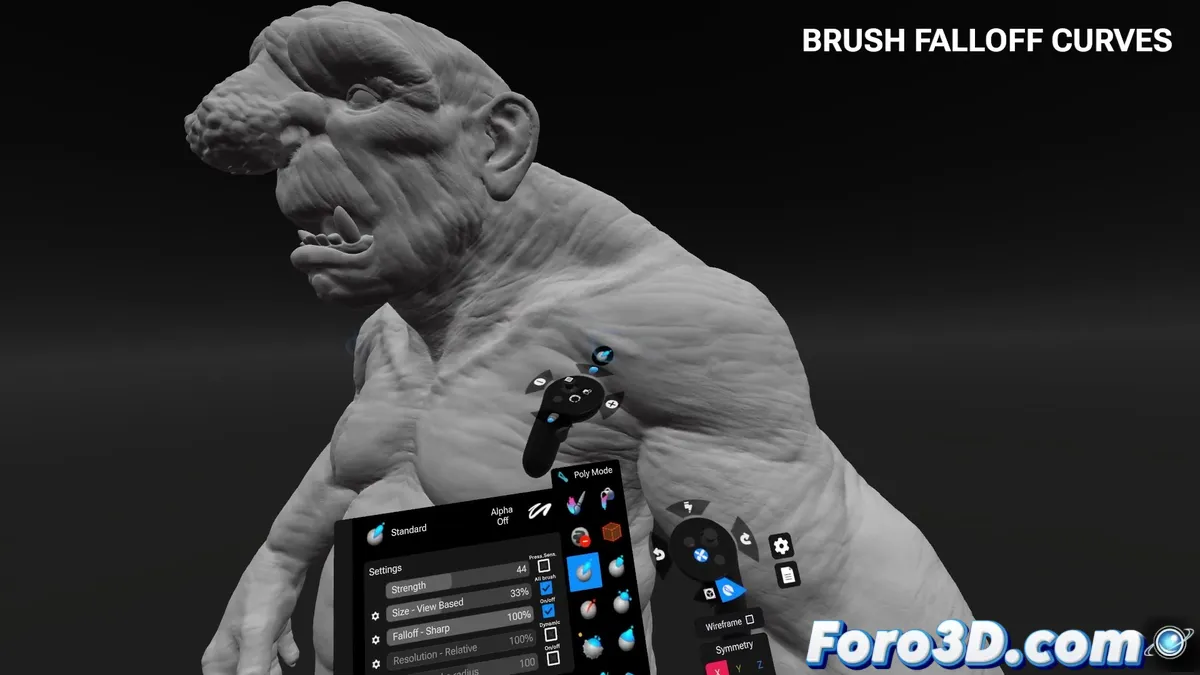
Beyond voxel technology, the update includes optimizations that benefit regular users. The curvature-based masking system allows selecting specific areas with greater precision, while brush customization reaches new levels of control. The interface has been redesigned to reduce intermediate steps and keep the focus on creation.
"Voxel sculpting does not replace traditional techniques, but offers a new language for exploring forms" - Development team
Paving the Way for the Future of 3D Modeling
This update lays the foundation for what could become an industry standard. By integrating two modeling paradigms in the same environment, Shapelab anticipates an evolution toward hybrid workflows where artists can alternate between polygonal precision and voxel freedom according to each project's needs.