Innovation in Materials for Additive Manufacturing
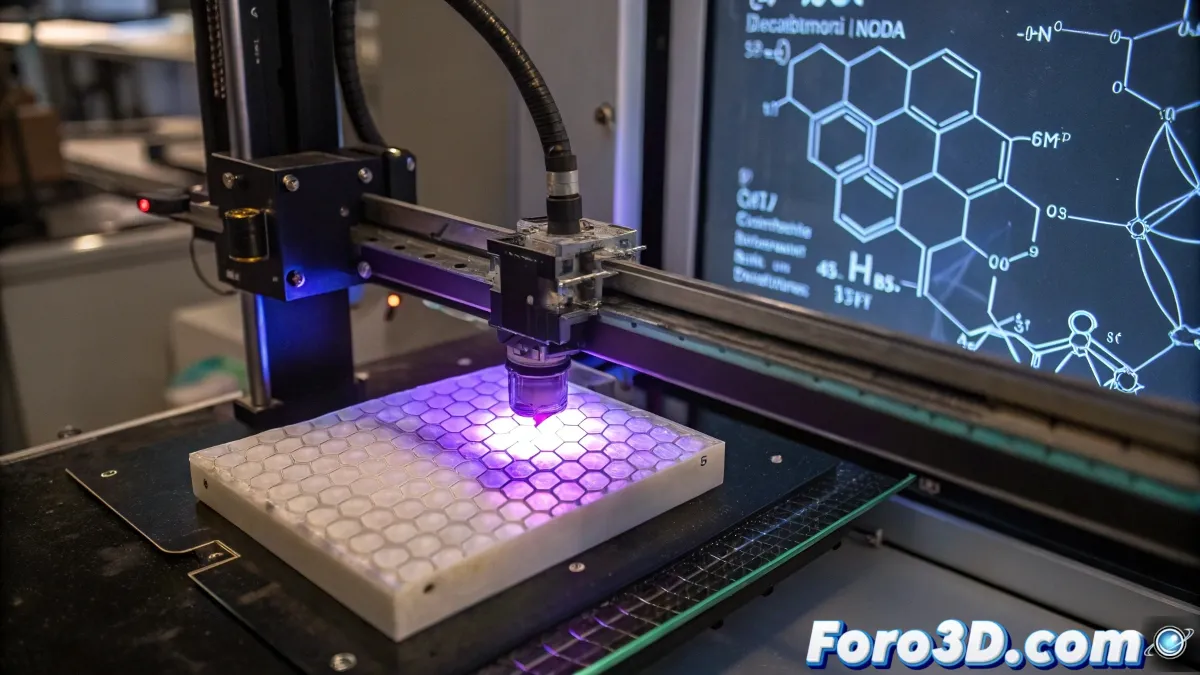
A group of scientists has created a new type of cellular material using three-dimensional printing techniques. This development, the result of prolonged research, presents unique characteristics that overcome the limitations of conventional polymeric foams. The ability to produce complex objects, as demonstrated by the figure of a spherical canine, evidences its potential for customized applications.
Revolutionary Properties
The particularity of this compound lies in its molecular structure designed with dynamic chemical bonds. Unlike traditional thermoset materials, this formulation allows:
- Autonomous regeneration of structural damage
- Possibility of reprocessing and recycling
- Adaptability to different geometric configurations
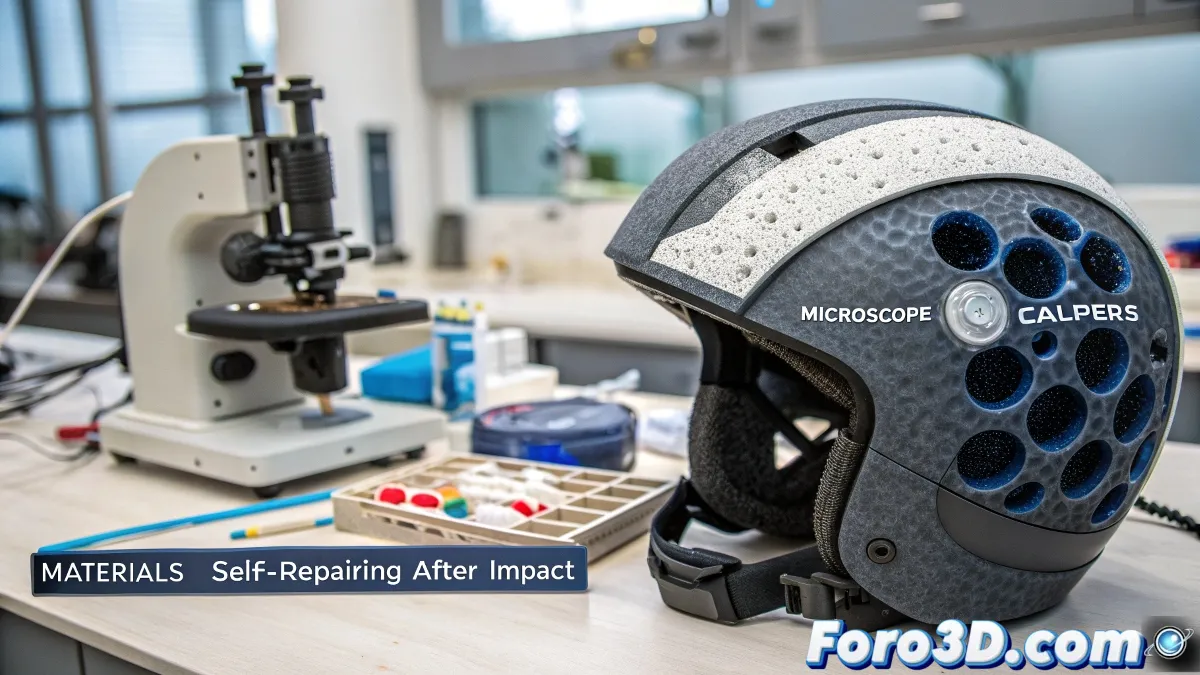
"The combination of mechanical strength and self-repair capability opens new perspectives for demanding industrial applications"
Overcoming Technological Barriers
Adapting the compound to additive manufacturing systems required significant adjustments to its formulation. The researchers managed to optimize parameters such as viscosity and glass transition temperature to ensure precise printing. This adaptation enables the creation of complex reticular structures that enhance the material's mechanical performance.
Development Prospects
The next phases of research will focus on:
- Optimizing recycling processes
- Reducing energy consumption during manufacturing
- Exploring new chemical formulations
The support of prominent scientific organizations confirms the strategic interest in this type of material developments. Its implementation could revolutionize sectors that demand lightweight, resistant, and sustainable solutions, marking a milestone in the evolution of smart materials.