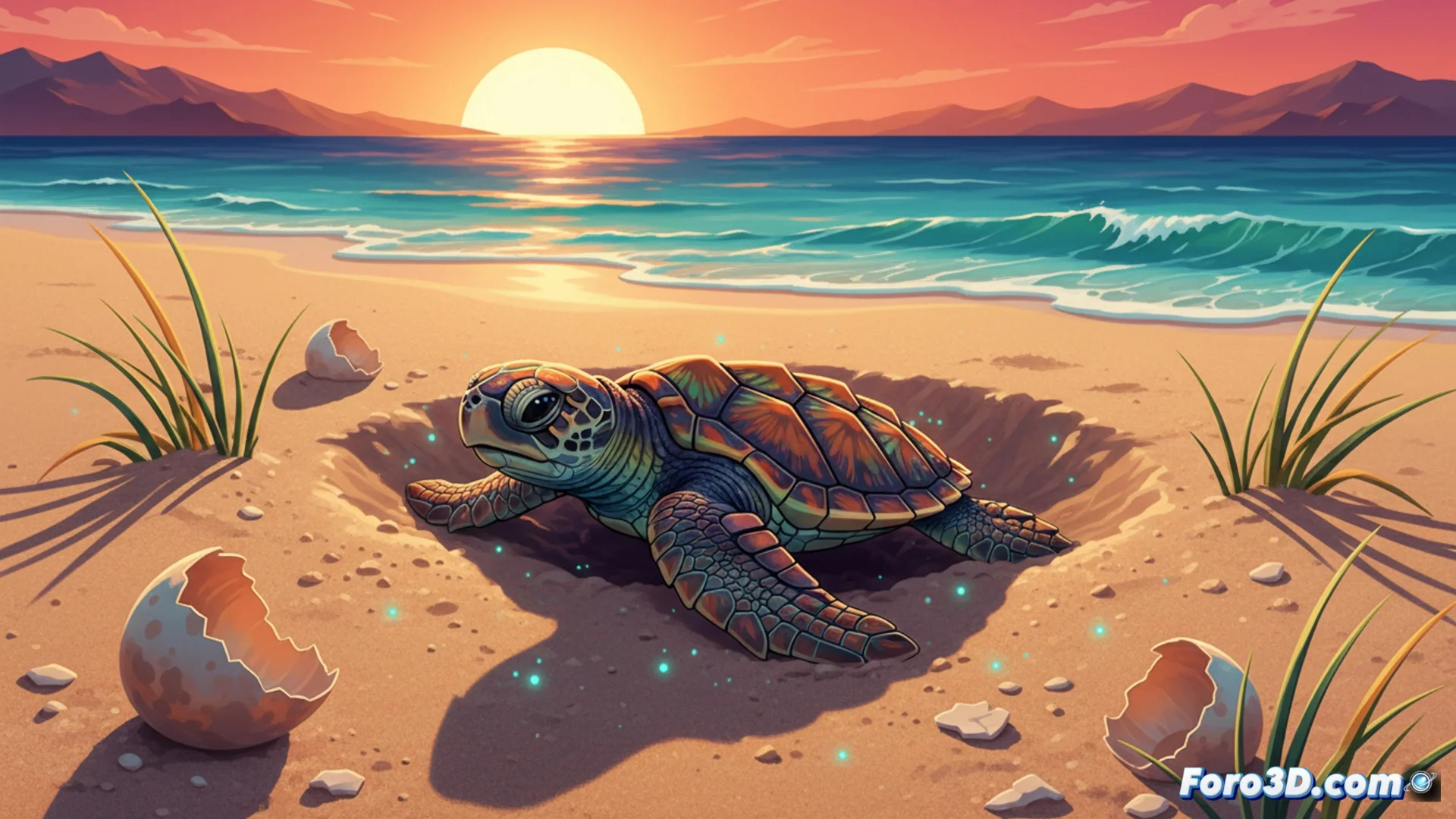
Sea Turtles Show Greater Resilience to Global Warming
A new scientific analysis reveals that marine reptiles could adapt better than expected to the conditions of a warmer planet. The research, published in the magazine New Scientist, examines how these creatures face heat in their breeding zones. 🐢
Embryos Tolerate a Wider Thermal Spectrum
The study reveals that turtle eggs are not as vulnerable as previously thought. Embryos can grow within a wider heat range without their sex or viability being decisively altered. This challenges previous forecasts that anticipated severe imbalances in populations due to thermal dependence for determining gender.
Key Findings on Incubation:- Embryos exhibit remarkable tolerance to temperature variations.
- The sex determination process is not as easily compromised by heat.
- These data modify models on the climatic impact on these species.
The thermal plasticity of the eggs constitutes a first line of defense against warming.
Female Behavior Provides Flexibility
Mother turtles also demonstrate versatility in selecting the place and time to lay their eggs. They can opt for areas with more shade or dig deeper to find cooler substrates. This behavioral adaptability, combined with embryo resilience, forms a double layer of resilience.
Observed Nesting Strategies:- Seek beach areas under vegetation or natural shade.
- Bury clutches at depths where the temperature is lower.
- Adjust nesting periods if possible.
Perspectives for Conservation
Although they cannot choose beaches with controlled climates, their instinct to seek thermal refuge represents an effective tactic. This combination of innate mechanisms suggests that certain populations could persist despite the global increase in temperatures, offering a more nuanced view for protection plans. 🌊