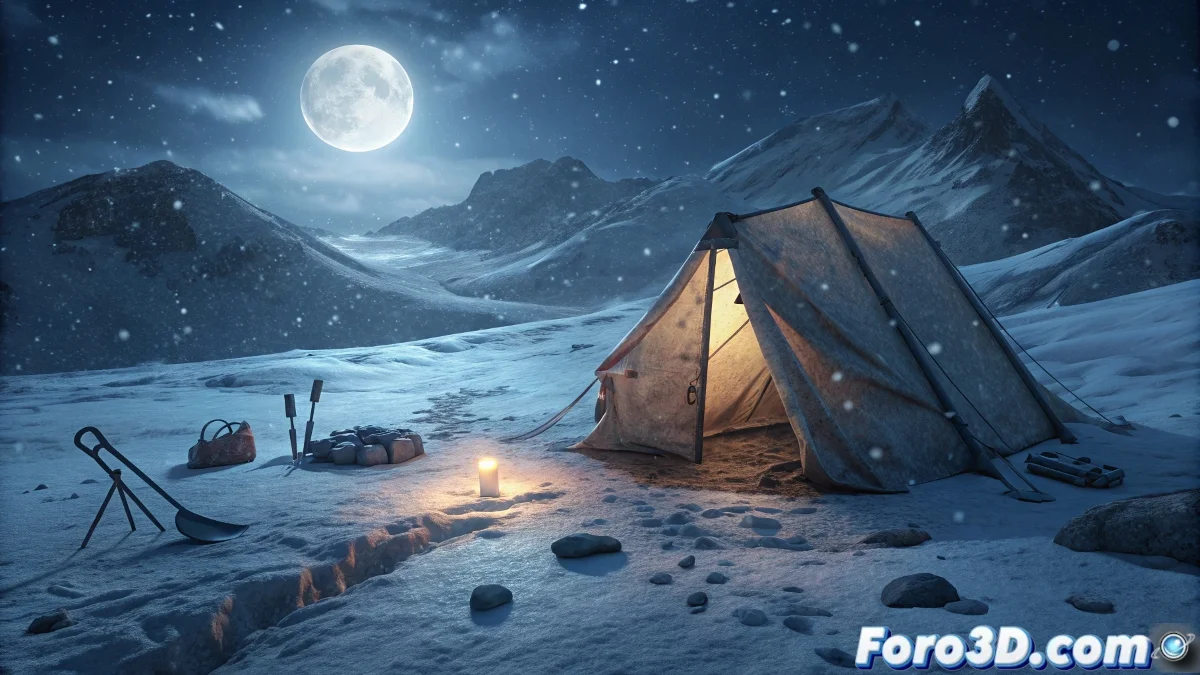
Sculpting the Dyatlov Pass in Mudbox: The Mystery of the Ural Mountains
The Dyatlov Pass incident in the Russian Ural Mountains represents one of the most fascinating unsolved mysteries of the 20th century. In February 1959, a group of nine experienced hikers led by Igor Dyatlov died under extremely strange circumstances on the slopes of Kholat Syakhl. What makes this case particularly enigmatic is that their tent was found torn from the inside, as if they had fled desperately, and the bodies were found in different states and locations: some in just underwear at -30°C, others with severe internal injuries without external signs of struggle, and one with the tongue removed. Official investigations concluded with a "compelling natural force," but the mystery persists with theories including avalanches, secret military tests, yetis, UFOs, or paranormal phenomena. ❄️
Initial Project Setup in Mudbox
Start by importing a base mountainous terrain mesh into Mudbox, or create one from scratch using sculpting tools. The Dyatlov Pass is located in the northern Ural Mountains, characterized by gentle hills and sparse vegetation at 1,079 meters above sea level. Set up the scene with the appropriate scale to capture the vastness of the landscape and human vulnerability in that environment.
Terrain Preparation in Mudbox:- Create or import a terrain mesh with approximately 1-2 million polygons
- Set the correct scale based on the real dimensions of the area
- Configure sculpting tools for large-scale work and fine detail
"The Dyatlov Pass is like a puzzle with pieces from different mysteries: each theory explains a part, but none explains the full picture" - Dyatlov case investigator
Sculpting the Landscape and Geographical Features
Use Mudbox's sculpting tools to recreate the specific landscape of Kholat Syakhl (which means "Dead Mountain" in the Mansi language). The area features a gentle but exposed slope, with sparse vegetation and distinctive rocky formations. Pay attention to the topography that may have influenced the events.
Terrain Features to Sculpt:- The 15-20 degree slope where the tent was located
- Rocky formations where some bodies were found
- The forest edge 1.5 km away where the last bodies were found
Tent and Crime Scene Details
Create the torn tent with historical accuracy, based on case photographs and forensic reports. Use cutting and deformation tools to recreate the characteristic tears made from the inside, and add details like abandoned personal items and preserved footprints in the snow.
Key Scene Elements:- Torn tent with specific tear patterns from the interior
- Footprints leading from the tent in different directions
- Personal items like boots, coats, and camping gear
Texturing and Materials for the Winter Environment
Apply textures and materials that capture the extreme conditions of February in the Urals. Develop shaders for snow in different states (fresh, compacted, icy) and materials for objects exposed to the elements for weeks before being found.
Essential Materials and Textures:- Snow with accumulation, wind erosion, and different densities
- Torn tent fabric textures and 1950s mountaineering equipment
- Rock materials eroded by extreme winter conditions
Atmosphere and Weather Effects
Create the unsettling and climatically hostile atmosphere surrounding the mystery. Use painting tools and effects to simulate falling snow, whipping wind, and reduced visibility that characterized that fateful February night.
Atmospheric Elements:- Layers of accumulated snow with different wind erosion patterns
- Blizzard effects and wind-blown snow
- Dim lighting simulating moonlight through low clouds
Final Presentation and Visual Narrative
Organize the final scene to visually tell the story of the mystery. Create views from different angles that show the abandoned tent, footprint pattern, and landscape vastness, conveying the solitude and mystery that still surrounds this unsolved case after more than six decades. 🏔️