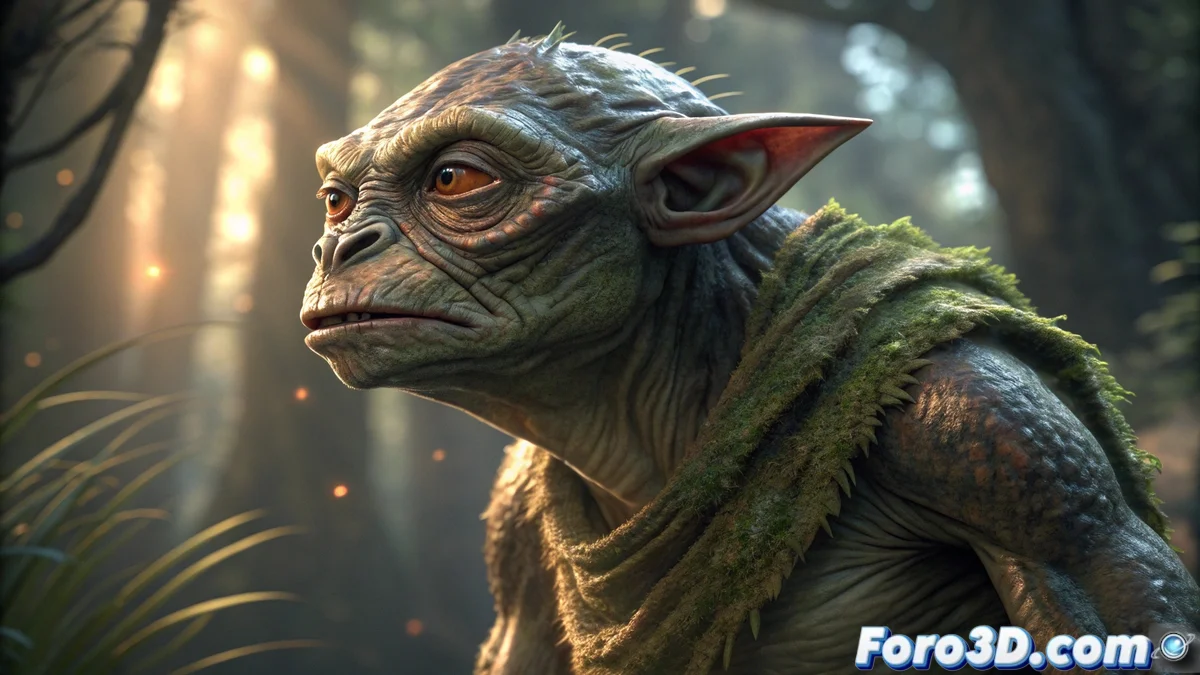
SculptGL Incorporates Vertex PBR Painting for Digital Sculpting
The latest update to SculptGL revolutionizes the 3D creation process by implementing PBR properties directly on the vertices of models, eliminating the traditional dependence on external texture maps. This integration allows artists to visualize and interactively adjust material characteristics while sculpting, creating physically accurate responses under different lighting conditions 🎨.
Benefits of the Vertex Technique
The system leverages vertex information to store multiple layers of material data, generating smooth transitions between different surface properties without visible artifacts. This approach is especially efficient for low to medium poly count models, where each vertex becomes a container for complete PBR attributes. Immediate visual feedback significantly accelerates creative iteration and reduces the need for traditional baking processes.
Main Advantages:- Resource optimization by eliminating additional textures for basic PBR properties
- Precise control over roughness and metallicity using intuitive digital brushes
- Creation of organic effects like wear and oxidation without technical complications
This technology brings the technical debate to the creative phase, allowing artists to discuss specific properties of individual vertices during the sculpting process
Integration into Professional Pipelines
In production environments for video games and architectural visualization, this capability enables the generation of engine-ready assets without complex intermediate steps. Exported models contain all PBR information embedded in their vertex structure, maintaining compatibility with engines like Unity and Unreal Engine through custom shaders. This approach is invaluable for rapid prototyping and projects with memory constraints where traditional texture maps would consume significant resources.
Specific Applications:- Development of AR/VR projects where rendering efficiency is critical
- Creation of assets for mobile devices with memory limitations
- Interactive architectural visualization with physically accurate materials
Impact on the Creative Workflow
The ability to interactively adjust reflectivity and roughness during the sculpting phase represents a paradigm shift in digital pipelines. Artists can now make material decisions in context, immediately visualizing how surfaces will respond under different lighting conditions. This integration not only accelerates the creative process but also democratizes access to advanced rendering techniques that previously required specialized knowledge and multiple processing steps 🚀.