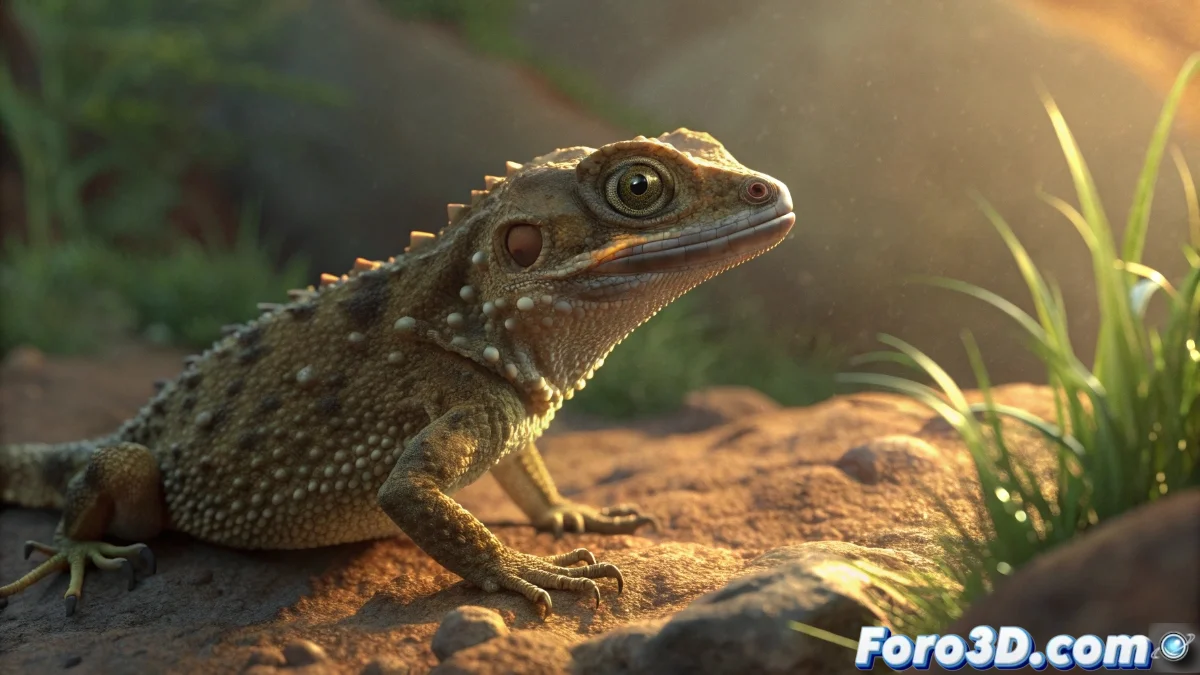
Sculpted Roughness: Revolutionizing Digital Material Creation
Sculpted roughness represents a paradigmatic evolution in digital material creation, where artists conceptualize roughness maps not as two-dimensional values but as three-dimensional sculpted surfaces. This methodology radically transforms the texturing process by interpreting roughness as virtual reliefs that dynamically interact with lighting systems 🎨.
Working Methodology with Sculpting Tools
Professionals implement this technique using specialized brushes in software like Substance Painter, ZBrush, or Mari, where each stroke simultaneously modifies the height and reflection properties of the surface. By working with roughness layers as if they were displacement maps, perfect visual coherence is achieved between microscopic geometry and the material's lighting behavior.
Main Tools and Techniques:- Erosion brushes that simulate natural wear and progressive aging of materials
- Custom alphas that replicate specific industrial manufacturing patterns and artisanal processes
- Non-destructive layer systems that allow iterative experimentation without compromising the base work
The unified integration between normal maps, roughness, and displacement generates more believable materials with significantly less manual adjustment effort
Integration into Advanced Rendering Pipelines
Contemporary graphics engines like Unreal Engine 5 and Marmoset Toolbag 4 have optimized their material systems to interpret these sculpted maps with unprecedented physical precision. Sculpted roughness translates into complex lighting responses through advanced BRDF models that calculate light-surface interactions at the micro-geometric level.
Technical Advances in Shaders:- Custom nodes that map sculpted curvatures directly to roughness and specular parameters
- Leveraging ray tracing capabilities to visualize surface irregularities in specular reflections
- Real-time calculation of diffuse shadows based on sculpted microgeometry
Conceptual Evolution of Digital Art
It is fascinating to observe how we have returned to the ancestral concept of sculpting, now using pixels and virtual lights instead of chisels and caves. This methodology represents the perfect convergence between traditional art and modern digital technology, allowing artists to exert more intuitive control over how materials scatter and reflect light in virtual environments 🌟.